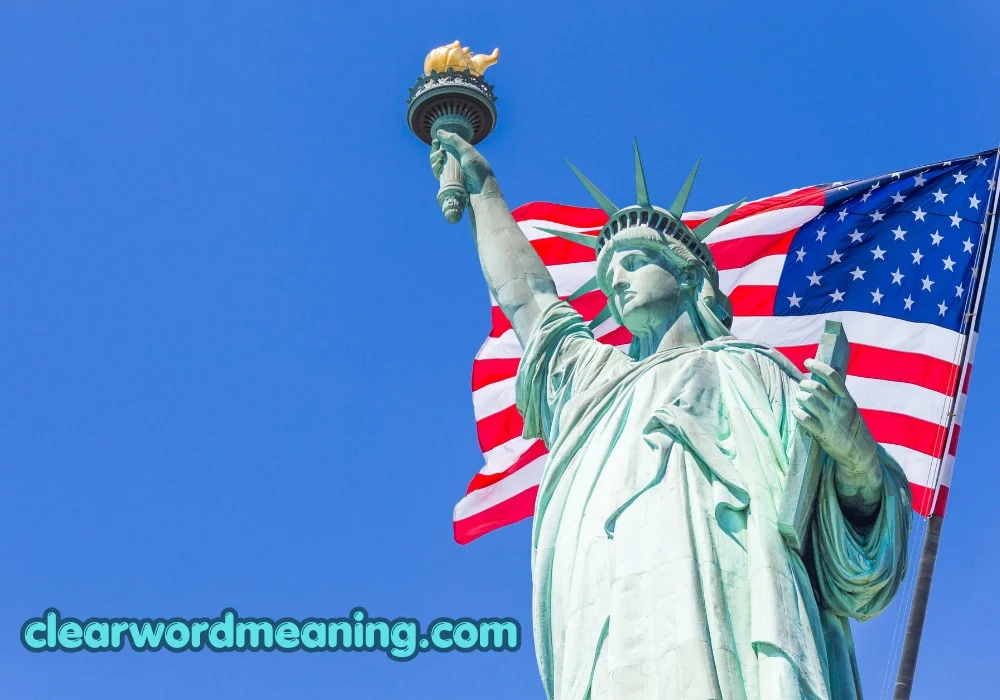
The Statue of Liberty is more than a famous monument in New York Harbor. For millions of people around the world, it represents freedom, hope, democracy, opportunity, and a fresh start. Some see it as a symbol of America itself, while others connect it with immigration, equality, and human rights.
But the meaning of the Statue of Liberty goes deeper than what most short definitions explain.
From its historical roots to its modern cultural symbolism, the statue carries emotional, political, and social meanings that still matter today. Whether you saw it in a movie, read about it in school, or noticed people using it symbolically online, understanding its meaning gives you a better sense of why it remains one of the most recognized landmarks in the world.
What Does the Statue of Liberty Mean?
At its core, the Statue of Liberty symbolizes:
- Freedom
- Independence
- Democracy
- Welcoming immigrants
- Hope for a better future
The official name of the statue is “Liberty Enlightening the World.” That title alone explains much of its purpose. The giant torch represents enlightenment, while the statue itself stands as a reminder that liberty should guide society.
For many immigrants arriving in the United States during the late 1800s and early 1900s, seeing the statue from ships entering New York Harbor felt emotional. It often represented the beginning of a safer or more hopeful life.
Quick Meaning Overview
| Aspect | Meaning |
|---|---|
| Torch | Light, guidance, enlightenment |
| Crown spikes | The seven continents and seas |
| Broken chains | Freedom from oppression |
| Tablet | Law and independence |
| Green color | Natural aging of copper over time |
| Overall symbolism | Liberty and opportunity |
Why Was the Statue of Liberty Created?
The statue was a gift from France to the United States in 1886. It celebrated:
- The friendship between France and America
- Shared democratic values
- The idea of liberty after the American Revolution
French sculptor Frédéric Auguste Bartholdi designed it, while Gustave Eiffel — the engineer behind the Eiffel Tower — helped create its internal structure.
At the time, the statue carried strong political meaning. Many people viewed it as a celebration of freedom from tyranny and unfair rule.
The Hidden Symbolism Most People Miss
A lot of visitors focus only on the torch and crown, but several smaller details also carry meaning.
The Broken Chains at Her Feet
Near the statue’s feet are broken shackles and chains. These symbolize:
- Freedom from oppression
- The end of slavery
- Liberation from tyranny
This detail often gets overlooked in photos because it’s difficult to see from a distance.
The Tablet in Her Hand
The tablet reads:
“JULY IV MDCCLXXVI”
That translates to July 4, 1776, the date of American independence.
It represents:
- Constitutional law
- Rights
- Independence
- Democratic ideals
The Seven Rays on the Crown
The crown has seven spikes that symbolize:
- The seven continents
- The seven seas
This design suggests that liberty should spread across the world.
Statue of Liberty Meaning in American Culture
In American culture, the statue often represents the “American Dream.”
People commonly associate it with:
- Opportunity
- Freedom of speech
- Equality
- Immigration
- National pride
You’ll see the Statue of Liberty appear in:
- Movies
- Political cartoons
- School textbooks
- Travel advertisements
- Protest art
- Patriotic celebrations
Interestingly, the meaning can shift depending on context. In some situations, it’s used positively to celebrate freedom. In others, artists or activists use it critically to question whether society still lives up to those ideals.
Statue of Liberty Meaning in English
The Statue of Liberty is a world-famous monument that represents freedom, hope, democracy, and independence. In English, the meaning of the Statue of Liberty is strongly connected to the idea of welcoming people to freedom and a better future.
The statue holds a torch in one hand, which symbolizes light, guidance, and liberty, while the tablet in her other hand represents law and justice. Millions of immigrants who arrived in America by sea saw the statue as a sign of new opportunities and safety.
The official name of the statue is “Liberty Enlightening the World.” This means liberty or freedom spreading light and knowledge across the world. Today, the Statue of Liberty is considered one of the most powerful symbols of freedom on Earth.
Who Is Statue of Liberty
The Statue of Liberty is actually a giant female figure designed to represent Libertas, the Roman goddess of freedom. She is not a real person but a symbolic character that stands for liberty and human rights.
The woman in the statue wears flowing robes and a crown with seven spikes. These seven rays symbolize the seven continents and seven seas, showing that freedom belongs to all people around the world.
She also has broken chains near her feet, which symbolize breaking free from oppression and slavery. This hidden detail is one of the most meaningful parts of the monument because it represents freedom from injustice and tyranny.
The statue was designed by French sculptor Frédéric Auguste Bartholdi, while the internal iron framework was created by Gustave Eiffel, the engineer who later built the Eiffel Tower.
Where Is Statue of Liberty Located in Which Country
The Statue of Liberty is located in the country of the United States of America. It stands on Liberty Island in New York Harbor in New York City.


The statue faces the Atlantic Ocean and welcomes visitors arriving by sea. Because New York was a major entry point for immigrants in the late 1800s and early 1900s, the monument became a symbol of hope for millions of newcomers entering America.
Many people think the statue is in Manhattan itself, but it is actually on Liberty Island, which can only be reached by ferry. The location gives the monument a grand and unforgettable appearance against the New York skyline.
Why Was the Statue of Liberty Built
The Statue of Liberty was built to celebrate freedom, democracy, and friendship between France and the United States. France gifted the statue to America in honor of the 100th anniversary of American independence.
The monument was officially dedicated on October 28, 1886. At that time, it symbolized the shared values of liberty and democracy between the two nations.
Another important reason for building the statue was to inspire people around the world. The creators wanted it to stand as a reminder that freedom and human rights are important for every person.
During the immigration era, the statue became even more meaningful. Immigrants arriving in America viewed it as a sign of hope, opportunity, and a new beginning.
Statue of Liberty Facts
Here are some interesting and powerful Statue of Liberty facts:
1. The Statue Was a Gift From France
France presented the statue to the United States in 1886 as a symbol of friendship and freedom.
2. Its Official Name Is Liberty Enlightening the World
This name reflects the idea of freedom spreading across the globe.
3. The Crown Has Seven Rays
The seven rays symbolize the seven continents and seas.
4. The Statue Is Made of Copper
Over time, the copper surface turned green because of natural oxidation.
5. Broken Chains Lie at Her Feet
These chains represent freedom from oppression and slavery.
6. Millions of Immigrants Saw the Statue First
People arriving through nearby Ellis Island often viewed the statue as their first glimpse of America.
7. The Torch Represents Enlightenment
The raised torch symbolizes knowledge, hope, and guidance.
8. It Is One of the Most Famous Monuments in the World
The Statue of Liberty is recognized globally as a symbol of freedom and democracy.


Statue of Liberty Meaning in Law
In law and political philosophy, the Statue of Liberty represents important legal principles such as:
- Freedom
- Justice
- Human rights
- Equality
- Democracy
- Protection from oppression
The tablet held by the statue contains the date July 4, 1776, written in Roman numerals. This date marks the signing of the American Declaration of Independence, which established ideas of liberty and legal rights.
Because of these meanings, the statue is often used in discussions about immigration laws, civil rights, constitutional freedoms, and democracy. Lawyers, educators, and historians frequently reference the monument as a symbol of justice and equal opportunity under the law.
Statue of Liberty 1886
The year 1886 is extremely important in the history of the Statue of Liberty because it was the year the monument was officially unveiled and dedicated.


On October 28, 1886, a dedication ceremony was held in New York Harbor attended by thousands of people. The event celebrated liberty, democracy, and the friendship between France and the United States.
At the time, the statue quickly became one of the most recognizable landmarks in America. Over the years, it transformed into a global symbol of freedom and hope for people around the world.
Statue of Liberty Height
The Statue of Liberty is incredibly tall and impressive.
- Height from the ground to the torch: about 305 feet (93 meters)
- Height of the statue itself: about 151 feet (46 meters)
- Length of the statue’s hand: about 16 feet
- Length of the nose: about 4 feet 6 inches
The monument was considered an engineering masterpiece during the 1800s because of its enormous size and unique internal framework. Even today, its height makes it one of the most iconic monuments in the world.


The height and powerful design help the statue stand out as a strong visual symbol of freedom, courage, and national pride.
Statue of Liberty Meaning for Immigrants
For immigrants, the meaning is especially emotional.
During the peak immigration years at nearby Ellis Island, many newcomers saw the statue before entering the United States. After long and difficult journeys, it became a powerful sign of safety and possibility.
Some families still describe the first sight of the statue as unforgettable.
It symbolized:
- Escape from poverty
- Religious freedom
- A new beginning
- Hope for future generations
This connection remains strong today, especially in immigration discussions.
What Does the Torch Represent?
The torch is one of the most recognizable parts of the statue.
It symbolizes:
- Knowledge
- Enlightenment
- Guidance
- Progress
The idea behind the torch is simple: liberty lights the way forward.
In art and media, torches often represent truth or wisdom, so the Statue of Liberty’s torch fits that long-standing tradition.
Why Is the Statue Green?
A surprising number of people think the statue was built green, but it wasn’t.
Originally, it looked copper-colored.
Over time, the copper reacted with air and moisture, creating a green coating called a patina. Instead of damaging the statue, this layer actually protects the metal underneath.
So today, the green color has become part of the statue’s identity.
Statue of Liberty Meaning in Texting and Social Media
Unlike slang abbreviations or texting acronyms, “Statue of Liberty” usually keeps its literal meaning online. However, people sometimes use it symbolically in captions, memes, or discussions.
On TikTok
On TikTok, users may reference the Statue of Liberty to talk about:
- American identity
- Freedom
- Politics
- Travel content
- Immigration stories
Example:
“Finally saw the Statue of Liberty in person and honestly it felt surreal.”
On Instagram
Instagram captions often connect the statue with:
- New York trips
- Dreams and ambition
- Freedom-themed quotes
- Personal milestones
Example:
“Chasing dreams under Lady Liberty.”
On Snapchat
On Snapchat, the statue mostly appears in:
- Travel snaps
- NYC location stories
- Tourist content
There’s no hidden slang meaning attached to it on Snapchat.
Why Is She Called Lady Liberty?
“Lady Liberty” is simply a nickname for the Statue of Liberty.
The nickname makes the monument feel more personal and symbolic. Americans have used it for decades in:
- Songs
- Speeches
- Newspapers
- Pop culture
It’s often used in emotional or patriotic contexts.
Real-Life Conversation Examples
Here are a few natural ways people use the term:
Historical Context
“The Statue of Liberty became a symbol of hope for immigrants.”
Travel Conversation
“We took a ferry to see the Statue of Liberty up close.”
Symbolic Usage
“That artwork uses the Statue of Liberty to represent freedom.”
Political Discussion
“Some people think the Statue of Liberty reflects America’s ideals.”
Common Misunderstandings About the Statue of Liberty
It Wasn’t Always Green
Many assume the statue was designed green from the beginning, but it naturally changed color over time.
It Was a French Gift
Some people think America built it alone. France actually gifted the statue to the United States.
It’s Not Just a Tourist Attraction
While it’s a major tourist destination, its cultural and historical symbolism is much deeper.
Statue of Liberty vs Liberty Bell
People sometimes confuse the Statue of Liberty with the Liberty Bell because both symbolize freedom in American history.
| Statue of Liberty | Liberty Bell |
|---|---|
| Located in New York | Located in Philadelphia |
| Gift from France | American colonial artifact |
| Symbol of immigration and liberty | Symbol of independence |
| Giant statue | Historic bell |
Both are important American symbols, but they represent different historical moments.
Cultural Meaning Around the World
Even outside the United States, the Statue of Liberty is globally recognized.
In many countries, it symbolizes:
- Democracy
- Human rights
- Western ideals
- Political freedom
It’s often referenced during:
- International protests
- Human rights campaigns
- News coverage
- Political art
That global recognition is one reason the statue remains culturally powerful more than a century later.
When the Symbol Becomes Controversial
Not everyone interprets the Statue of Liberty the same way.
Some critics argue that:
- America hasn’t always lived up to the ideals the statue represents
- Freedom and equality remain unequal for some groups
- Political debates sometimes clash with the statue’s symbolism
Because of that, the statue can appear in both patriotic and protest-related imagery.
That dual meaning makes it culturally significant beyond tourism.
Similar Symbols and Related Terms
If you’re researching American symbolism or historical meanings, you might also explore:
- The American Dream
- Liberty Bell
- Ellis Island
- Uncle Sam
- Freedom symbolism
- Democracy meaning
- Patriotism meaning
These topics often connect historically and culturally with the Statue of Liberty.
Frequently Asked Questions
What is the real meaning of the Statue of Liberty?
The Statue of Liberty mainly symbolizes freedom, democracy, hope, and opportunity. It also represents welcoming immigrants and protecting liberty.
Why is the Statue of Liberty important?
It’s important because it reflects American ideals and historical values tied to independence and human rights.
What does the torch symbolize?
The torch symbolizes enlightenment, guidance, and the light of freedom.
Why do immigrants connect emotionally with the statue?
For many immigrants arriving in America historically, the statue represented safety, opportunity, and a fresh beginning.
What does the crown represent?
The seven rays on the crown symbolize the seven continents and seven seas, representing universal liberty.
Is there a hidden meaning behind the broken chains?
Yes. The broken chains near the statue’s feet symbolize freedom from oppression and tyranny.
Final Thoughts
The Statue of Liberty means different things to different people, but freedom sits at the center of nearly every interpretation.
For some, it’s a reminder of immigration stories passed down through generations. For others, it represents democracy, equality, or the hope of building a better future. And in modern culture, it remains one of the strongest visual symbols of liberty anywhere in the world.
What makes the statue so enduring isn’t just its size or fame. It’s the emotional weight attached to it. More than a monument, it’s an idea people continue to debate, celebrate, and reinterpret across generations.

I am the author, Brook, dedicated to creating clear and reliable content that informs and engages readers. With a passion for well-researched and valuable information, I focus on delivering content that is both easy to understand and practical. My goal is to build trust with my audience by providing consistent, accurate, and meaningful material. Whether writing for beginners or experts, I strive to make every piece insightful, engaging, and impactful.