In today’s fast-moving digital world, where texts, tweets, and comments dominate communication, understanding sentiments meaning is more important than ever. Whether you’re scrolling through social media, chatting with friends, or analyzing online reviews, sentiments shape how messages are interpreted.
But here’s the catch: many people confuse sentiments with simple emotions or feelings. In reality, the term carries a deeper meaning especially in online conversations, marketing, and even AI driven platforms.
Everything you need to know about sentiments meaning in a simple, relatable way. You’ll learn how to use it correctly, spot it in conversations, and avoid common mistakes that can lead to confusion.
What Does “Sentiments Meaning” Mean? (Definition & Origin)
Simple Definition
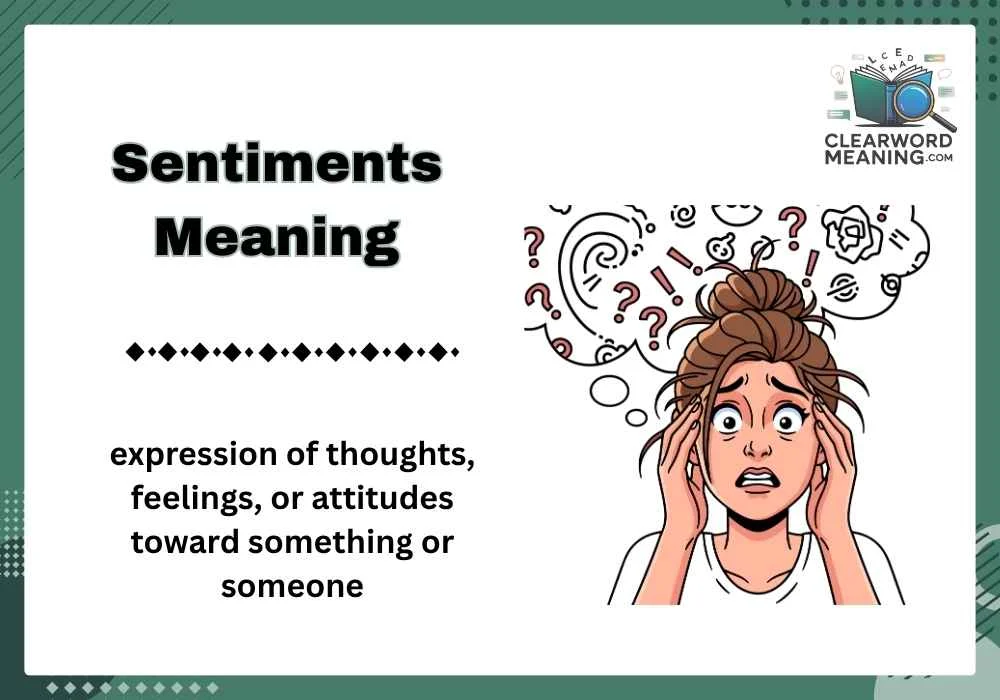
The term sentiments meaning refers to the expression of thoughts, feelings, or attitudes toward something or someone. It’s not just about emotions—it’s about how those emotions are communicated.
👉 In simple words:
Sentiments = Feelings + Opinions expressed in words
Origin of the Word
The word sentiment comes from the Latin word sentire, meaning “to feel.” Over time, it evolved into a term used to describe expressed emotions or opinions, especially in writing or speech.
Modern Usage in 2026
Today, sentiments meaning is widely used in:
- Social media posts
- Text messages and chats
- Customer reviews
- AI tools (like sentiment analysis)
- Online discussions and forums
For example:
- “The sentiment of that tweet was negative.”
- “Her message had a positive sentiment.”
How to Use “Sentiments” in Texts or Chat
Using sentiments correctly in casual conversations or online chats can make you sound more clear and expressive.
1. When Talking About Feelings
You can use it to describe how someone feels about something:
- “I can sense a positive sentiment in your message 😊”
- “Why does your text have a negative sentiment?”
2. When Discussing Opinions
Sentiments often reflect opinions, not just emotions:
- “The general sentiment about that movie is bad.”
- “People’s sentiments about this trend are mixed.”
3. In Social Media Context
On platforms like Twitter, Instagram, or Reddit:
- “The sentiment in the comments is toxic.”
- “Overall sentiment is supportive.”
4. In Professional or Analytical Context
In 2026, many people use it in a slightly formal tone:
- “Customer sentiment is improving this quarter.”
- “Public sentiment is shifting toward this topic.”
Examples of “Sentiments” in Conversations
Let’s look at some real-life and relatable examples so you can fully understand how sentiments meaning works in everyday chat.
Casual Text Chat
Friend 1: “Did you like the party?”
Friend 2: “Yeah, the overall sentiment was fun, but a bit chaotic.”
Social Media Comment
“Most comments show a negative sentiment toward the new update.”
Funny Example 😂
You: “I cooked dinner today.”
Friend: “My sentiment is… order pizza next time 😅”
Workplace Chat
“The team sentiment seems low after the announcement.”
Online Review
“The sentiment of this review is clearly positive—great service and fast delivery!”
Common Mistakes or Misunderstandings
Even though sentiments meaning sounds simple, many people misuse it. Here are the most common mistakes:
❌ Confusing Sentiment with Emotion
- Emotion = Feeling (happy, sad)
- Sentiment = Expressed feeling + opinion
✔ Correct:
“The sentiment of the message is negative.”
❌ Using It Too Casually
Sometimes it sounds too formal for casual chat.
❌ “My sentiment is hungry”
✔ “I’m hungry” (better for casual use)
❌ Assuming It’s Always Plural
- “Sentiment” = singular
- “Sentiments” = plural
✔ “His sentiment was clear.”
✔ “Their sentiments were mixed.”
❌ Misreading Tone in Texts
People often misunderstand sentiment in texts because tone is hard to detect.
Example:
“Nice job…”
👉 Could be positive or sarcastic depending on context.
Related Slangs or Abbreviations
While sentiments itself isn’t slang, it connects closely with modern chat language and expressions.
Here are some related terms you’ll often see:
Common Chat Terms Related to Sentiment
- IMO – In My Opinion
- TBH – To Be Honest
- SMH – Shaking My Head (negative sentiment)
- LOL – Laughing Out Loud (positive sentiment)
- ICYMI – In Case You Missed It
Emotional Slang Examples
- “Vibes” → Similar to sentiment
- “The vibe here is off.”
- “Mood” → Expresses shared sentiment
- “That’s a mood 😩”
Emoji & Sentiment
In 2026, emojis play a huge role in expressing sentiment:
- 😊 Positive sentiment
- 😡 Negative sentiment
- 🤔 Neutral or questioning sentiment
- 💀 Sarcastic or exaggerated sentiment
User Intent & Practical Use of Sentiments
Understanding sentiments meaning isn’t just theoretical—it’s extremely practical.
Where You’ll Use It Most
- Text messaging
- Social media discussions
- Online reviews
- Business communication
- Content creation
Why It Matters
- Helps you interpret tone correctly
- Improves communication clarity
- Prevents misunderstandings
- Useful in digital marketing & SEO
- Important for AI and analytics tools
Pro Tip 💡
When unsure about sentiment in a message:
- Look at emojis
- Check punctuation
- Consider context
- Ask for clarification
FAQs:
What is the meaning of sentiments in simple words?
Sentiments mean expressed feelings or opinions about something, not just emotions but how they are communicated.
Is sentiment the same as emotion?
No, emotion is what you feel, while sentiment is how you express that feeling in words or communication.
How is sentiment used in texting?
In texting, sentiment refers to the tone of the message, such as positive, negative, or neutral.
What are examples of sentiments?
Examples include:
- Positive sentiment: “I love this!”
- Negative sentiment: “This is terrible.”
- Neutral sentiment: “It’s okay.”
Why is sentiment important in communication?
Because it helps people understand tone, intention, and meaning, especially in text where voice and facial expressions are missing.
Conclusion:
Understanding sentiments meaning gives you a powerful edge in both casual chats and professional communication. It’s not just about feelings—it’s about how those feelings are expressed and interpreted by others.
In a world dominated by digital conversations, recognizing sentiment can help you avoid misunderstandings, respond more thoughtfully, and communicate more effectively. Whether you’re texting a friend, posting online, or analyzing feedback, sentiment plays a key role in shaping how messages are received.

I am the author, M Brauer, a dedicated and detail-focused professional committed to quality content and clear information. I focus on creating reliable, easy-to-understand material that delivers real value and builds trust with readers.