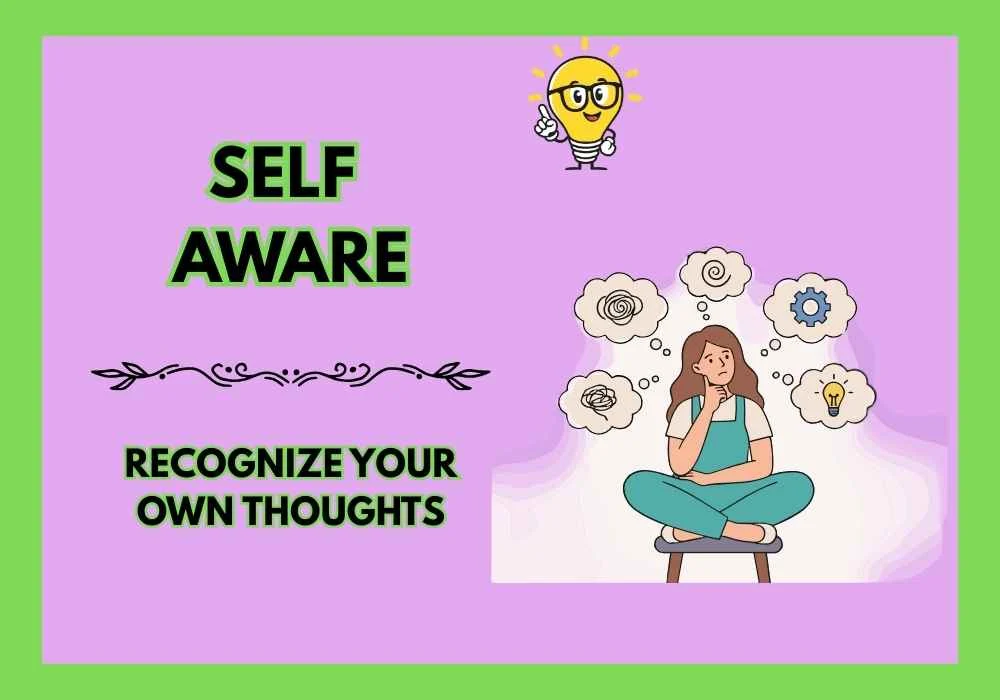
Most people use the phrase “self aware” to describe someone who truly understands themselves — their thoughts, emotions, behavior, strengths, weaknesses, and how they affect other people.
But online, the meaning has grown beyond psychology. Today, “self aware” can describe everything from emotional intelligence to sarcastic internet humor. Someone might call a person “painfully self aware” on TikTok, while another person uses it seriously in therapy or workplace conversations.
That’s why the phrase matters more now than ever. It appears in texting, memes, self-help content, dating discussions, and even comment sections where people debate whether someone is genuinely reflective or just pretending to be.
This guide breaks down what “self aware” actually means, how people use it online, and why the tone changes depending on the situation.
Self Aware Meaning at a Glance
| Term | Meaning |
|---|---|
| Self aware | Understanding your own emotions, personality, actions, and impact |
| Common Tone | Reflective, mature, honest, sarcastic, or emotional |
| Used In | Psychology, texting, TikTok, relationships, self-improvement |
| Often Describes | Emotional intelligence and personal insight |
What Does Self Aware Mean?
A self aware person recognizes what they’re feeling and understands why they behave the way they do.
For example:
- They notice when they’re overreacting
- They admit their mistakes
- They understand how others perceive them
- They recognize personal habits and flaws
- They reflect on their emotions instead of ignoring them
In simple words, being self aware means:
“You understand yourself honestly.”
That honesty is important. A person who is truly self aware doesn’t just know their good qualities — they also recognize uncomfortable truths about themselves.
The Deeper Meaning Behind “Self Aware”
People often assume self-awareness only means confidence or intelligence. It doesn’t.
In reality, self awareness includes:
- Emotional awareness
- Behavioral awareness
- Social awareness
- Personal accountability
- Honest reflection
Someone can be smart but not self aware. For instance, a person might succeed professionally yet constantly hurt others without realizing it.
A self aware individual usually pauses to think:
- “Why did I react that way?”
- “Did I misunderstand the situation?”
- “How did my words affect them?”
That internal reflection is the core of the phrase.
Is “Self Aware” a Compliment?
Usually, yes.
Calling someone self aware often means they are:
- Mature
- Emotionally intelligent
- Honest
- Reflective
- Easier to communicate with
Example:
“I like talking to her because she’s really self aware.”
In this sentence, the speaker appreciates the person’s emotional maturity.
However, online culture has added sarcastic uses too.
When “Self Aware” Is Used Sarcastically
On social media, especially TikTok and X, people sometimes use “self aware” ironically.
Example:
“At least he’s self aware enough to know he’s toxic.”
Here, the phrase carries humor and criticism at the same time.
Another common version is:
“I’m self aware, but not enough to stop.”
This kind of joke became popular because many people recognize unhealthy habits but still struggle to change them.
So online, “self aware” can mean:
- genuinely emotionally intelligent
- aware of flaws but still messy
- ironically honest
- emotionally chaotic but reflective
The tone depends heavily on context.
Self Aware Meaning in Texting
In texting, “self aware” usually refers to someone recognizing their own behavior or emotions.
Common texting examples
Example 1:
“I know I overthink everything. I’m self aware lol.”
Example 2:
“He’s surprisingly self aware for his age.”
Example 3:
“Being self aware doesn’t magically fix anxiety.”
In chats, the phrase often appears when people discuss:
- relationships
- emotional habits
- toxic behavior
- overthinking
- personal growth
Sometimes it’s serious. Other times it’s humorous self-deprecation.
Self Aware Meaning on TikTok
On TikTok, “self aware” has become part of internet humor and emotional commentary culture.
Creators often say things like:
- “I’m painfully self aware.”
- “Too self aware to be delusional.”
- “Self aware but emotionally unstable.”
- “Being self aware is exhausting.”
These phrases reflect a mix of:
- humor
- anxiety
- emotional intelligence
- internet relatability
TikTok helped turn self-awareness into a personality discussion rather than just a psychology term.
Many videos use the phrase to describe people who constantly analyze themselves or recognize their own emotional patterns in extreme detail.
Self Aware Meaning on Snapchat
On Snapchat, the phrase is more casual and personal.
People may use it in:
- private chats
- relationship conversations
- emotional confessions
- jokes about bad habits
Example:
“I’m self aware enough to know I’m being dramatic.”
Unlike TikTok’s performative humor, Snapchat usage tends to feel more direct and conversational.
Self Aware Meaning on Instagram
On Instagram, “self aware” often appears in:
- motivational captions
- therapy-related posts
- personal development content
- meme pages
- relationship discussions
Example caption:
“Self aware people heal differently because they recognize their own patterns.”
Instagram creators frequently connect self-awareness with:
- healing
- growth
- mindfulness
- emotional maturity
At the same time, meme accounts may joke about being “too self aware” to enjoy life peacefully.
Origin and History of the Phrase
The idea of self-awareness comes from psychology and philosophy, long before social media existed.
Psychologists have studied self-awareness for decades as part of:
- emotional intelligence
- consciousness
- human behavior
- self-reflection
Over time, the phrase moved into everyday language.
Then internet culture transformed it again.
By the early 2020s, online communities started using “self aware” in a more emotionally expressive way — especially in memes discussing:
- anxiety
- toxic traits
- dating
- overthinking
- mental health
- identity
Today, the phrase sits somewhere between psychology terminology and internet slang.
What Does “Painfully Self Aware” Mean?
“Painfully self aware” means someone understands themselves so deeply that it becomes emotionally uncomfortable.
It often describes people who:
- overanalyze everything
- notice every flaw
- constantly reflect on their actions
- struggle to stop negative habits despite recognizing them
Example:
“I’m painfully self aware and still make terrible decisions.”
This phrase became extremely popular online because many users relate to the frustration of recognizing problems without instantly fixing them.
Signs of a Self Aware Person
People often search for real-world signs instead of dictionary definitions. Here are some common traits associated with self-awareness.
A self aware person usually:
- accepts criticism without immediate defensiveness
- notices emotional triggers
- apologizes sincerely
- reflects after arguments
- understands personal strengths and weaknesses
- recognizes patterns in relationships
- listens before reacting
That doesn’t mean they’re perfect.
In fact, highly self aware people sometimes struggle because they notice their own flaws more intensely than others do.
Common Misunderstandings About Self Awareness
1. Self aware does NOT mean perfect
Some people think self-aware individuals never make mistakes. That’s false.
Self awareness means recognizing mistakes — not avoiding all of them.
2. Overthinking is not always self awareness
Constantly analyzing yourself can become unhealthy.
True self-awareness includes clarity, not endless self-criticism.
3. Saying you’re self aware doesn’t automatically make it true
Online, many people claim to be self aware while refusing accountability.
Real self-awareness usually shows through actions, not labels.
Difference Between Self Aware and Self Conscious
These two terms confuse many people.
| Term | Meaning |
|---|---|
| Self aware | Understanding yourself clearly |
| Self conscious | Feeling nervous about how others see you |
Example
- Self aware:
“I know I interrupt people when I’m excited.” - Self conscious:
“I’m worried everyone thinks I sound annoying.”
Self-awareness often helps personal growth. Self-consciousness usually focuses more on insecurity or embarrassment.
Similar Terms and Related Slang
You might also see related phrases online, including:
- emotionally intelligent
- introspective
- reflective
- mindful
- emotionally mature
- self conscious
- self reflective
- aware of your flaws
Possible internal linking opportunities for slang and meanings websites include:
- “delulu meaning”
- “gaslighting meaning”
- “emotionally unavailable meaning”
- “NPC meaning”
- “pick me meaning”
- “aura meaning”
- “copium meaning”
These terms often appear in the same social-media conversations as “self aware.”
Real Conversation Examples
Friendly Conversation
“He’s actually really self aware and easy to communicate with.”
Relationship Context
“Being self aware is important, but you also have to change unhealthy habits.”
TikTok Humor
“I’m self aware enough to know I’m the problem.”
Workplace Context
“Good leaders tend to be self aware about how they manage people.”
Sarcastic Meme Usage
“Self aware but still making terrible life choices.”
Situations Where You Should NOT Use “Self Aware”
Although the phrase is common, it can sound rude or passive-aggressive in some situations.
Avoid using it:
- to insult someone during arguments
- sarcastically toward sensitive people
- as fake intellectual superiority
- in professional settings unless context fits
Example that may sound offensive:
“You clearly lack self awareness.”
That wording can feel harsh and judgmental.
A softer alternative might be:
“I don’t think they realize how their behavior affects others.”
Tone matters a lot with this phrase.
Why the Internet Loves This Phrase
Modern internet culture rewards emotional honesty and relatable vulnerability.
That’s one reason “self aware” became such a popular expression online.
People use it to describe:
- recognizing toxic habits
- understanding emotional patterns
- joking about personal flaws
- surviving awkward situations
- analyzing relationships
It also fits perfectly into meme culture because it blends seriousness with humor.
A sentence like:
“I’m self aware unfortunately”
can sound funny, sad, relatable, and emotionally honest all at once.
That layered meaning is why the phrase continues trending across platforms.
FAQ About Self Aware Meaning
What does self aware mean in simple words?
It means understanding your own emotions, behavior, personality, and how you affect others.
Is being self aware a good thing?
Usually yes. Self-awareness is often connected to emotional intelligence, maturity, and personal growth.
What does painfully self aware mean?
It means someone is extremely aware of their flaws, emotions, or habits — sometimes to an emotionally exhausting degree.
Can someone be self aware and still toxic?
Yes. A person may recognize unhealthy behavior but still struggle to change it.
Is self aware slang?
Not originally. The phrase comes from psychology, but social media turned it into a widely used internet expression and meme phrase.
What’s the difference between self aware and self conscious?
Self aware means understanding yourself clearly. Self conscious means feeling anxious about how others view you.
Final Thoughts
The phrase “self aware” has evolved far beyond a simple dictionary definition. Today, it can describe emotional intelligence, personal honesty, internet humor, anxiety, reflection, or even sarcastic self-dragging in meme culture.
At its core, though, the meaning stays consistent:
A self aware person understands themselves honestly — including both strengths and flaws.
That’s why the term appears everywhere from therapy discussions to TikTok jokes. In a world where people constantly present curated versions of themselves online, genuine self-awareness stands out.
And ironically, the internet’s obsession with being “self aware” may reveal something very human: most people are still trying to figure themselves out.

I am the author, Mitchell, passionate about creating engaging and reliable content that adds real value to readers. With a focus on clarity, accuracy, and insight, I aim to make complex topics easy to understand. I believe in delivering well-researched, practical information that builds trust and helps my audience make informed decisions. Every piece I write is crafted to be informative, meaningful, and impactful, reflecting my commitment to quality and consistency.