Curious about the cheeks meaning in texting and online chats? You’re not alone! In today’s fast-paced digital conversations, cheeks has become a widely used slang term, but many people still wonder what it really signifies.
Whether you’ve seen it in memes, TikToks, or your friends’ messages, understanding cheeks meaning can make your chats more fun and relatable. In this guide, we’ll break down exactly what cheeks stands for, its origin, and how to use it correctly in your texts.
Updated for 2026, this article is packed with real-life examples, common mistakes to avoid, and tips to help you master this trendy slang like a pro.
What Does “Cheeks” Mean? (Definition & Origin)
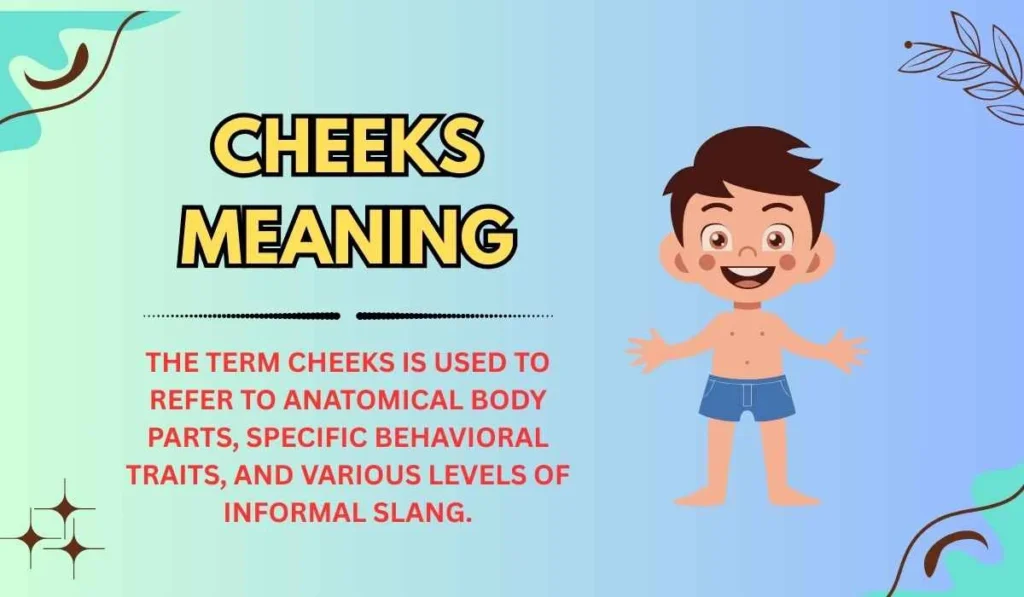
In modern texting and social media, cheeks typically refers to someone’s face or buttocks, depending on the context. It’s often used playfully, teasingly, or flirtatiously in conversations. The term became popular through memes, Instagram captions, and TikTok videos, and it has evolved into a casual slang word among Gen Z and millennials.
Origin:
The slang use of cheeks can be traced back to early internet forums and social media, where people used playful language to describe attractiveness or reactions. Over time, it became a shorthand for expressing humor, flirtation, or emphasis in a fun, casual way.
How to Use “Cheeks” in Texts or Chat
Using cheeks in your messages depends on the tone and context. Here’s how to get it right:
- Flirty or playful: “Look at those cheeks 😏”
- Describing cuteness: “Your puppy has the cutest cheeks ever!”
- Humorous exaggeration: “I accidentally hit my cheeks on the door lol”
Tips:
- Pair it with emojis to convey emotion.
- Avoid using it in professional or formal chats.
- Make sure the recipient understands the playful context to avoid awkwardness.
Examples of “Cheeks” in Conversations
Here are some real-life chat scenarios where cheeks is commonly used:
1 Example:
- Friend 1: “OMG your selfie is so cute 😍”
- Friend 2: “Thanks! These cheeks are blessed lol”
2 Example:
- TikTok comment: “Her cheeks though 🔥”
- Meaning: The commenter is complimenting her facial or butt appearance in a playful way.
3 Example:
- Chat group: “My baby’s cheeks are so squishy!”
- Meaning: Referring to adorable, plump baby cheeks.
Common Mistakes or Misunderstandings
Even though cheeks is playful, people often misuse it:
- Mistake: Using it in serious conversations.
- Mistake: Assuming it only refers to the buttocks.
- Mistake: Overusing it in texts, which can feel repetitive or awkward.
Pro Tip: Always consider the relationship with your chat partner and the tone of your conversation. Context is everything.
Related Slangs or Abbreviations
If you like cheeks, here are some other popular slang terms you might enjoy:
- Bootylicious – Complimenting someone’s attractive curves.
- Chonk – Playful term for a chubby or plump pet/animal.
- Buns – Refers to the buttocks in a fun, casual way.
- Squishy – Often used for cute, soft cheeks or objects.
- Glow-up – Describing someone’s improved appearance or attractiveness.
FAQs:
What does “cheeks” mean in slang?
It’s a playful term used to describe someone’s face or buttocks, depending on context.
Can “cheeks” be used in professional messages?
No, it’s casual slang best suited for informal chats and social media.
Is “cheeks” considered flirtatious?
Sometimes, yes. It often adds a playful or flirty tone to conversations.
Where is “cheeks” most commonly used?
It’s popular on TikTok, Instagram, Snapchat, and casual texting among friends.
How can I use “cheeks” without sounding weird?
Pair it with emojis, use it sparingly, and ensure the context is playful.
Conclusion
Understanding cheeks meaning can make your digital conversations more engaging and fun. Whether you’re teasing a friend, complimenting a baby, or reacting to a funny meme, this slang adds a playful touch to your texts. Remember, context matters—overusing it or using it in formal chats can backfire.

I am the author, Mitchell, passionate about creating engaging and reliable content that adds real value to readers. With a focus on clarity, accuracy, and insight, I aim to make complex topics easy to understand. I believe in delivering well-researched, practical information that builds trust and helps my audience make informed decisions. Every piece I write is crafted to be informative, meaningful, and impactful, reflecting my commitment to quality and consistency.