In today’s world of texting, online discussions, and mental health awareness, you may have come across the term “BPD splitting” in chats, forums, or social media. But what does it actually mean and why is it important to understand?
Whether you saw it in a tweet, a Reddit thread, or someone describing their emotional experience, understanding BPD splitting meaning can help you better communicate, avoid misunderstandings, and even support others more effectively.
This concept is especially relevant in modern conversations where mental health terms are increasingly used in casual or serious contexts.
This guide breaks it all down in a simple, human, and practical way updated for 2026 trends so you can understand, recognize, and use the term correctly.
What Does “BPD Splitting” Mean?
Definition of BPD Splitting
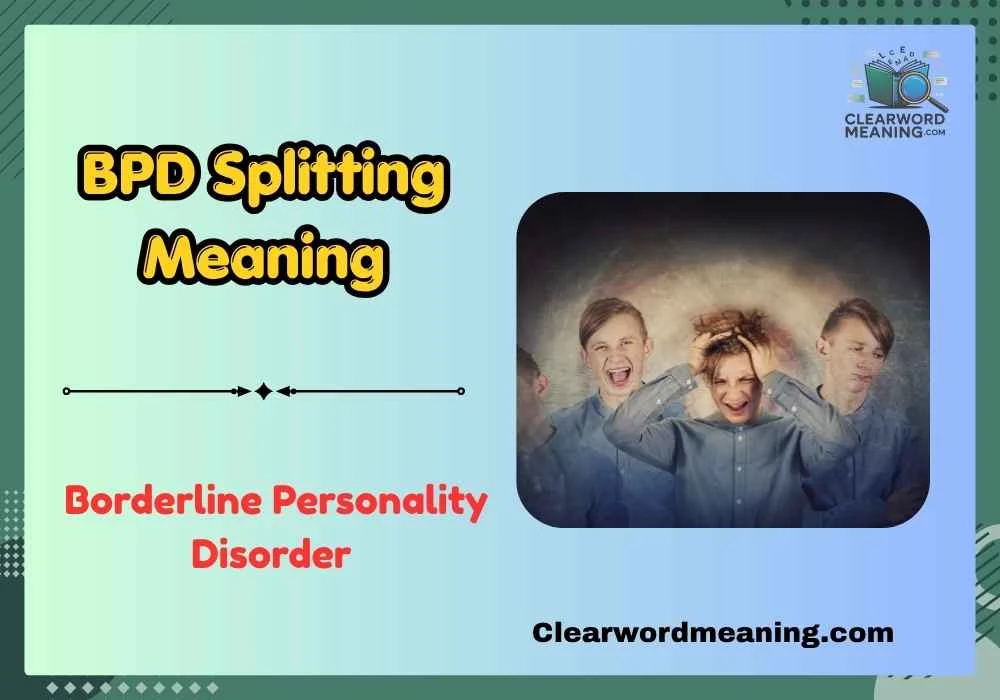
BPD splitting refers to a psychological pattern often associated with Borderline Personality Disorder (BPD) where a person sees things in extreme, black-and-white terms.
Instead of viewing people or situations as complex, they may:
- See someone as completely good one moment
- Then suddenly view them as completely bad the next
This shift can happen quickly and intensely, often triggered by emotions like fear, rejection, or stress.
👉 In simple terms:
BPD splitting = thinking in extremes with no middle ground
Origin of the Term
The concept of “splitting” comes from psychology and psychoanalytic theory. It describes how the mind separates positive and negative feelings to cope with overwhelming emotions.
In modern internet slang and discussions:
- The term is often shortened to “splitting”
- Or used casually in phrases like:
- “I think I’m splitting right now”
- “That’s classic BPD splitting behavior”
How to Use “BPD Splitting” in Texts or Chat
Understanding how this term is used online is key to avoiding confusion or misuse.
Common Contexts Where It Appears
You’ll usually see BPD splitting used in:
- Mental health discussions
- Reddit threads or forums
- TikTok or Instagram captions
- Personal chats about emotions or relationships
Examples of Usage in Texting
Here’s how people naturally use it:
- “I went from loving them to hating them in minutes… I think I’m splitting.”
- “That sounds like BPD splitting, not reality.”
- “When I’m triggered, I start splitting hard.”
When It’s Appropriate to Use
Use the term when:
- Talking about emotional extremes
- Describing rapid shifts in perception
- Discussing mental health patterns
⚠️ Important:
Avoid using it casually to label others without understanding the context. It’s a real psychological concept, not just slang.
Examples of “BPD Splitting” in Conversations
Let’s make this more relatable with real-life style scenarios:
Example 1: Relationship Conflict
Person A: “They didn’t reply for 2 hours. I feel like they don’t care anymore.”
Person B: “Yesterday you said they’re amazing.”
Person A: “Now I feel like they’re the worst.”
👉 This is a classic example of splitting—switching from idealizing to devaluing.
Example 2: Friendship Situation
- Morning: “She’s my best friend ever.”
- Evening after a disagreement: “I never want to talk to her again.”
3 Example: Online Chat
- “I swear I either love people or completely cut them off. No in-between. Is that splitting?”
Example 4: Funny/Relatable Use (Modern Slang Tone)
- “Me splitting over a late reply like it’s the end of the world 💀”
Common Mistakes or Misunderstandings
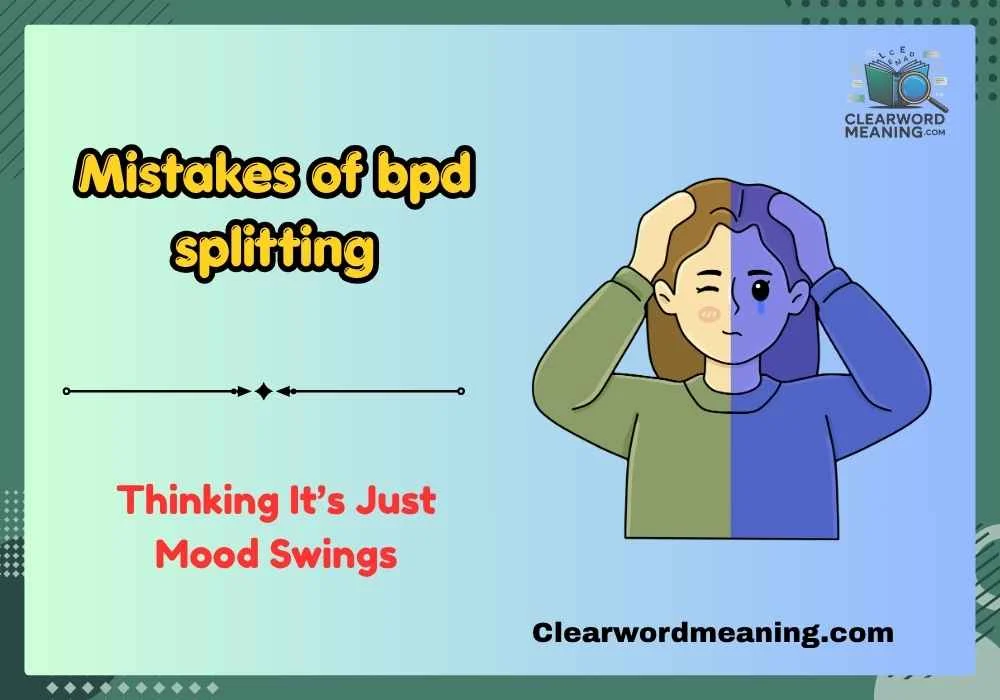
Even though the term is trending, many people misuse it.
1. Thinking It’s Just Mood Swings
❌ Incorrect: “I’m in a bad mood, I’m splitting.”
✔️ Correct: Splitting involves extreme perception shifts, not just mood changes.
2. Using It as an Insult
❌ “You’re just splitting again.”
This can feel dismissive or offensive.
👉 Always use the term with awareness and respect.
3. Overusing It in Casual Slang
Not every disagreement or emotional reaction equals BPD splitting.
4. Self-Diagnosing Without Context
While recognizing patterns is helpful, BPD splitting is part of a broader mental health condition, not a standalone label.
Related Slangs or Abbreviations
If you’re learning about BPD splitting meaning, you’ll likely come across these related terms:
Mental Health & Chat Terms
- BPD – Borderline Personality Disorder
- FP – Favorite Person (common in BPD discussions)
- Trigger(ed) – Emotional reaction caused by a situation
- Emotional Dysregulation – Difficulty managing emotions
Internet Slang That Overlaps Emotionally
- “Hot and cold” – Switching behavior
- “All or nothing” – Thinking in extremes
- “Cutting people off” – Sudden disconnection
Internal Linking Suggestions (for SEO)
You can link this article to:
- “What Does BPD Mean in Text?”
- “Emotional Dysregulation Explained”
- “FP Meaning in Slang”
- “Why People Overthink Text Messages”
Why Understanding BPD Splitting Matters in 2026
In 2026, mental health conversations are more mainstream than ever. Terms like BPD splitting are no longer limited to therapy rooms—they’re part of everyday online language.
Understanding this term helps you:
- Communicate more empathetically
- Avoid mislabeling emotions
- Support friends or yourself more effectively
- Navigate modern digital conversations with clarity
How to Respond When Someone Mentions Splitting
If someone says they’re experiencing splitting, here’s how you can respond:
Supportive Responses
- “That sounds really overwhelming. Want to talk about it?”
- “I’m here for you—what triggered it?”
- “It’s okay to feel this way. Let’s slow it down together.”
What to Avoid
- “You’re overreacting”
- “That’s not a big deal”
- “Just calm down”
👉 These responses can make things worse.
FAQs:
1. What does BPD splitting mean in simple words?
It means seeing people or situations as all good or all bad, with no middle ground.
2. Is splitting only related to BPD?
It’s most commonly linked to BPD, but anyone can experience black-and-white thinking at times.
3. Can BPD splitting happen in texts or online chats?
Yes, especially when someone misinterprets messages or reacts emotionally to digital communication.
4. Is splitting the same as mood swings?
No. Splitting is about how you perceive others, not just how you feel.
5. Why do people experience splitting?
It’s often a coping mechanism for dealing with intense emotions like fear, abandonment, or stress.
6. Can someone control or manage splitting?
Yes, with awareness, therapy, and emotional regulation techniques, it can be managed.
7. Is it okay to use “splitting” in casual conversation?
Yes—but use it carefully and respectfully, especially when referring to mental health.
Conclusion:
Understanding BPD splitting meaning goes beyond just learning a trending term—it helps you better understand human emotions, relationships, and communication patterns in today’s digital world.
At its core, splitting is about extreme thinking patterns that can impact how someone sees others and reacts emotionally. By recognizing it, you can become more mindful in your conversations—whether online or in real life.
As mental health awareness continues to grow in 2026, using terms like this responsibly makes a real difference. It’s not just about slang it’s about empathy, clarity, and connection.

I am the author, Brook, dedicated to creating clear and reliable content that informs and engages readers. With a passion for well-researched and valuable information, I focus on delivering content that is both easy to understand and practical. My goal is to build trust with my audience by providing consistent, accurate, and meaningful material. Whether writing for beginners or experts, I strive to make every piece insightful, engaging, and impactful.