If you’ve ever watched a cooking video, scrolled through food content on social media, or read a recipe online, chances are you’ve come across the word “saute.” But what exactly does it mean—and why is it so commonly used?
In today’s digital world, cooking terms like saute are no longer limited to professional chefs. They’re part of everyday conversations, captions, and even casual chats.
Whether you’re texting a friend about dinner plans or trying a viral recipe on TikTok, understanding sauté meaning can help you follow instructions correctly and sound more confident while talking about food.
This guide breaks down everything you need to know about saute meaning, from its origin to real-life usage, in a simple and engaging way.
What Does “Sauté” Mean? (Definition & Origin)
Simple Definition of Sauté Meaning
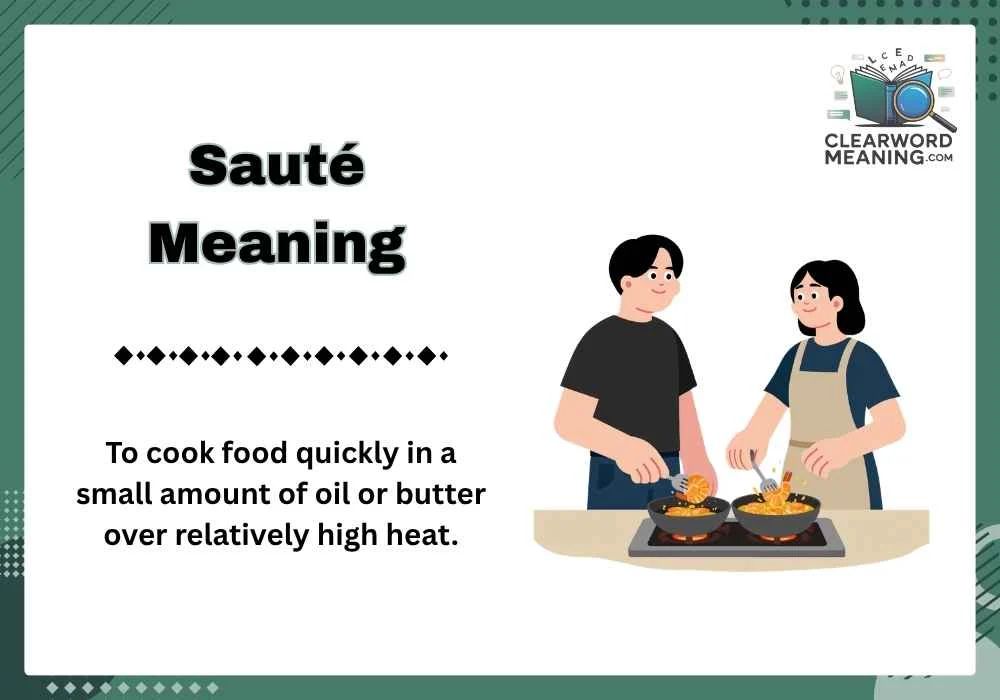
The word saute means:
👉 To cook food quickly in a small amount of oil or butter over relatively high heat.
It’s a cooking technique used to prepare foods like vegetables, meat, or seafood while keeping them flavorful and slightly crisp.
Origin of the Word “Sauté”
- The term comes from the French word “sauter,” which means “to jump.”
- This refers to how food appears to “jump” or move around in the pan while cooking.
Key Characteristics of Sautéing
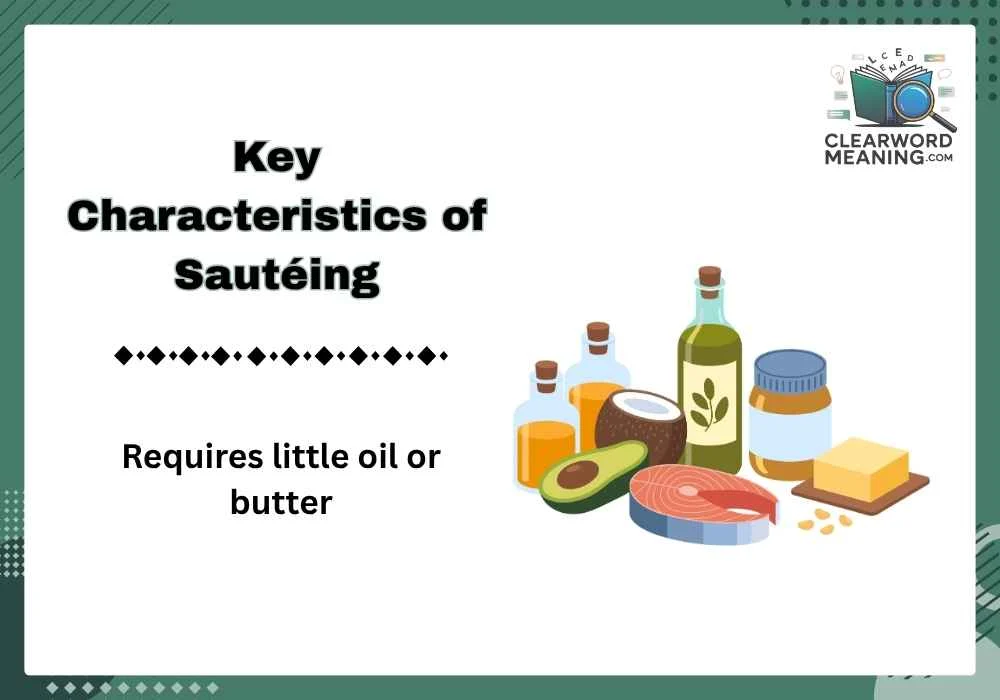
- Uses high heat
- Requires little oil or butter
- Involves constant stirring or tossing
- Cooks food quickly while preserving texture
Example:
“Just sauté the onions until golden, then add garlic.”
How to Use “Saute” in Texts or Chat
Even though sauté is primarily a cooking term, it’s widely used in casual conversations, especially online.
Common Ways People Use “Sauté”
- In Cooking Conversations
- “Did you sauté the veggies first?”
- “I love sautéed mushrooms with garlic.”
- In Social Media Captions
- “Quick sauté and dinner is ready 😋”
- “Sautéing my stress away tonight!”
- In Casual Chat or Messaging
- “Bro just sauté it, trust me it tastes better.”
- “I sauté everything now 😂”
Pro Tip for Usage
👉 Use “sauté” when you want to sound more precise or professional than just saying “fry.”
Examples of “Sauté” in Conversations
Understanding real-life examples makes the meaning stick better. Here are some relatable scenarios:
Example 1: Text Message
Friend 1: What are you cooking?
Friend 2: Just sautéing some veggies for pasta 🍝
Example 2: Social Media Post
“Quick sauté of garlic and shrimp = perfect dinner in 10 minutes!”
Example 3: Family Chat
“Mom told me to sauté the onions first before adding tomatoes.”
Example 4: Funny Scenario
“I tried to sauté onions but ended up burning them… chef life isn’t for me 😭”
Common Mistakes or Misunderstandings
Even though sauté meaning is simple, people often confuse it with other cooking methods.
❌ Mistake 1: Confusing Sauté with Frying
- Sauté: Uses little oil, high heat, quick cooking
- Frying: Uses more oil, often deeper cooking
👉 Not all frying is sautéing!
❌ Mistake 2: Using Too Much Oil
Many beginners think sautéing requires lots of oil.
👉 In reality, just a small amount is enough.
❌ Mistake 3: Cooking on Low Heat
Sautéing requires medium-high to high heat.
Low heat turns it into slow cooking instead.
❌ Mistake 4: Not Stirring Enough
The “jumping” action is key.
👉 Always keep the food moving to avoid burning.
Related Slangs or Abbreviations
While sauté itself isn’t slang, it appears alongside other food-related or casual chat terms.
🔥 Common Related Terms
- Fry – General cooking in oil
- Stir-fry – Similar but often used in Asian cooking
- Grill – Cooking over direct heat
- Roast – Cooking in an oven
💬 Internet & Chat Context
People often mix cooking terms casually:
- “Just fry/sauté it lol”
- “I sautéed it like a pro 😂”
🔗 Internal Linking Suggestions
If you’re building a blog, link to:
- “Stir fry meaning”
- “Simmer meaning”
- “Blanch meaning”
- “Boil vs sauté difference”
When and Where “Sauté” Is Commonly Used
📱 Social Media Platforms
- TikTok cooking videos
- Instagram food reels
- YouTube recipe tutorials
💬 Messaging Apps
- Messenger
- Snapchat
🌐 Online Communities
- Cooking forums
- Reddit food threads
- Recipe blogs
How to Use “Sauté” Correctly (Practical Guide)
Here’s a quick step-by-step way to actually sauté something:
- Heat a pan on medium-high heat
- Add a small amount of oil or butter
- Add your ingredients
- Stir or toss continuously
- Cook until lightly browned
👉 That’s it—you’re sautéing like a pro.
Why “Sauté Meaning” Is Trending in 2026
Cooking content is booming in 2026, especially with:
- Short-form cooking videos
- AI-generated recipes
- Food influencers sharing quick meals
Because of this, terms like sauté are becoming part of everyday vocabulary—even for people who don’t cook often.
FAQs:
What does sauté mean in simple words?
It means cooking food quickly in a small amount of oil over high heat while stirring continuously.
Is sauté the same as frying?
No, sautéing uses less oil and higher heat, while frying often uses more oil and takes longer.
Can beginners sauté food easily?
Yes! It’s one of the easiest cooking techniques once you control the heat and keep stirring.
What foods are best for sautéing?
Vegetables, chicken, shrimp, and mushrooms are perfect for sautéing.
Why is it called sauté?
It comes from a French word meaning “to jump,” referring to how food moves in the pan.
Conclusion:
Understanding sauté meaning is more than just learning a cooking term—it’s about becoming more confident in both the kitchen and everyday conversations. From social media captions to real-life recipes, this simple word plays a big role in modern food culture.
By knowing how to use and apply sauté, you can follow recipes correctly, communicate clearly, and even impress others with your cooking knowledge. Plus, it’s a quick and healthy way to prepare delicious meals at home.

I am the author, M Brauer, a dedicated and detail-focused professional committed to quality content and clear information. I focus on creating reliable, easy-to-understand material that delivers real value and builds trust with readers.