In the age of instant messaging and social media, understanding the people you communicate with is more important than ever.
One term that pops up often, especially in conversations about trust and relationships, is “pathological liar.”
But what does it really mean? Why do some people lie compulsively, and how can you spot this behavior in everyday life, texts, or online chats?
In this article, we’ll break it down for you in simple, relatable language, updated for 2026, with examples and tips to help you navigate the tricky world of chronic dishonesty.
What Does “Pathological Liar” Mean?
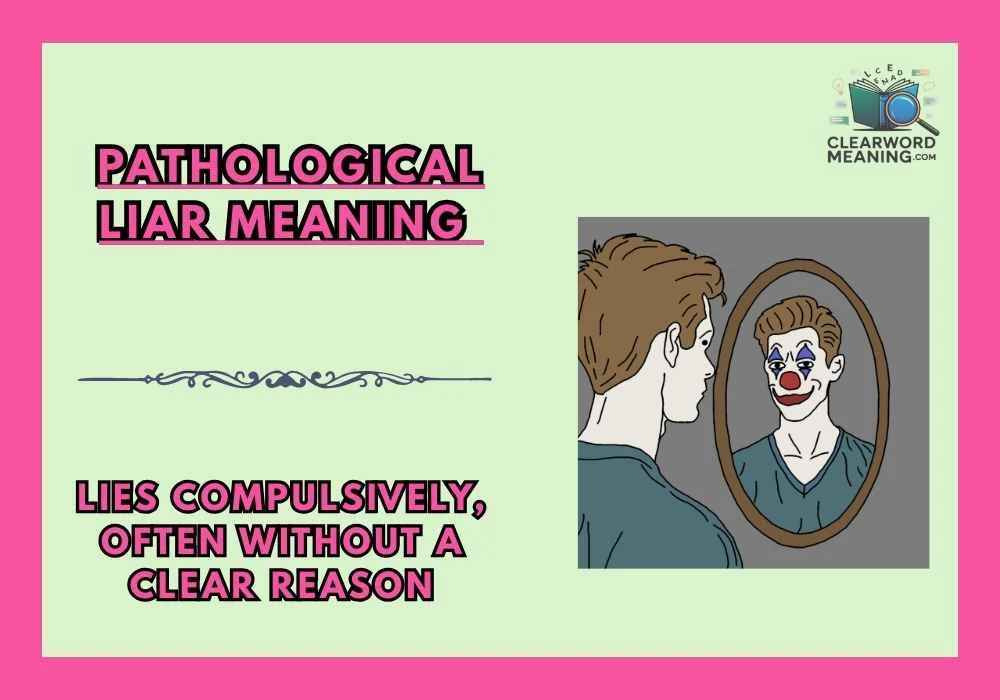
A pathological liar is someone who lies compulsively, often without a clear reason. Unlike everyday fibs, these lies aren’t just about avoiding trouble—they can be elaborate, frequent, and sometimes even harmful.
- Origin: The term comes from psychology, combining “pathological” (related to disease or abnormality) with “liar” (someone who lies). It was first used in clinical contexts to describe people who lie habitually.
- Key trait: Lying is almost involuntary. Even when the truth might be easier or safer, a pathological liar may still fabricate stories.
Think of it as a storytelling superpower gone wrong except the “superpower” often hurts trust and relationships.
Below are SEO-friendly, readable, and SERP-optimized explanations for each of your H2s. I’ve written them in a way that is easy for users to understand while also helping ranking with clear keyword usage and intent-based structure.
Pathological liar test
A pathological liar test refers to informal or psychological assessments used to identify patterns of excessive and habitual lying. There is no single official medical test, but mental health professionals evaluate behavior through interviews, personality analysis, and behavioral history.
These assessments look for signs like frequent unnecessary lying, lack of guilt, and storytelling inconsistency. In clinical settings, it may be linked with conditions such as personality disorders.
Pathological liar vs compulsive liar
The difference between a pathological liar and a compulsive liar lies in motivation and awareness. A pathological liar often lies with a purpose, sometimes to gain attention, status, or control, and may not feel guilty.
In contrast, a compulsive liar lies out of habit or impulse, often without any clear benefit. Compulsive lying is more automatic, while pathological lying can be more manipulative and strategic.
Pathological liar symptoms
Common symptoms of a pathological liar include frequent lying even when it is unnecessary, telling exaggerated stories, and changing details over time. They may also show confidence in their lies and rarely admit the truth.
Other signs include lack of remorse, inconsistent stories, and difficulty maintaining trust in relationships. These behaviors are often long-term and deeply rooted in personality traits.
Pathological liar treatment
Treatment for a pathological liar usually involves psychotherapy rather than medication. Cognitive Behavioral Therapy (CBT) is commonly used to help individuals recognize lying patterns and develop honesty habits.
Therapy also focuses on underlying issues such as low self-esteem, trauma, or personality disorders. In some cases, group therapy or counseling may help improve accountability and social behavior.
Pathological liar examples
Examples of a pathological liar include a person who constantly exaggerates achievements, lies about personal history, or fabricates stories for attention.
For instance, someone may falsely claim success, wealth, or experiences they never had. These lies are often repeated so frequently that the person starts believing them, making it hard for others to distinguish truth from fiction.
Is pathological liar a mental illness
A pathological liar is not officially classified as a standalone mental illness, but it is often linked to psychological conditions such as antisocial personality disorder or narcissistic personality traits.
It is considered a behavioral pattern rather than a diagnosed disorder on its own. However, it can be a symptom of deeper mental health issues that require professional attention.
Are pathological liars dangerous
Pathological liars can sometimes be harmful, depending on their behavior and intentions. While not all are dangerous, their tendency to manipulate or distort reality can damage relationships, trust, and decision-making.
In severe cases, their lies may lead to emotional, financial, or social harm to others, especially if they influence important situations like work or personal relationships.
Pathological liar meaning example
A pathological liar is someone who lies frequently and habitually, often without clear benefit or reason. For example, a person might claim they met celebrities, achieved major success, or experienced events that never happened.
These lies are usually told naturally and repeatedly, making it difficult for others to trust their words.
How to Use “Pathological Liar” in Texts or Chat
When chatting online, using the term pathological liar correctly is important. Here’s how you can do it without sounding harsh:
- Describing behavior: “I think he’s a pathological liar—he never tells the same story twice.”
- In discussions about trust: “Be careful with her; she’s been called a pathological liar by friends.”
- Lighthearted contexts: Sometimes friends jokingly use it to tease exaggerated storytelling: “Stop lying, you’re such a pathological liar!”
Remember, context matters. In serious discussions, the term can carry a psychological weight. In casual chats, it can be playful or humorous.
Examples of “Pathological Liar” in Conversations
Seeing it in action can make the meaning clearer:
- Text example 1:
Friend 1: “He said he won the lottery again 😅”
Friend 2: “Classic pathological liar, lol.” - Text example 2 (serious):
“I found out my colleague has been fabricating reports for months. Honestly, he’s a pathological liar.” - Online forum example:
User 1: “This guy keeps posting fake travel stories online.”
User 2: “Yep, total pathological liar energy.”
These examples show how the term can fit both humorous and serious contexts.
Common Mistakes or Misunderstandings
Many people confuse a pathological liar with someone who just tells occasional fibs. Here’s what to keep in mind:
- Not every liar is pathological – Most people lie occasionally; pathological liars do it consistently.
- It’s not always malicious – Some lies are told for attention, not harm.
- Diagnosis caution – Only a mental health professional can clinically label someone as a pathological liar.
Avoid throwing the term around lightly; it’s not just slang—it describes a specific, repeated behavior pattern.
Related Slangs or Abbreviations
In modern texting and online chats, other slang terms capture similar vibes:
- Fibs/Fibber – Minor, harmless lies.
- Gaslighting – Manipulating someone into doubting their reality.
- Fake flex – Pretending to be more successful than you are.
- Exaggerator – Someone who constantly embellishes stories.
Using these terms alongside pathological liar can make your texts more colorful and precise.
Why Understanding This Term Matters
In 2026, online and offline interactions are more intertwined than ever. Knowing what a pathological liar is can:
- Help you protect yourself from deceit.
- Make your social media interactions clearer.
- Improve your ability to communicate honestly and spot red flags.
By understanding this behavior, you’re better equipped to maintain trust in your personal and digital relationships.
FAQs:
How do I know if someone is a pathological liar?
Look for consistent lying patterns, elaborate stories, and fabrications even when unnecessary. They often exaggerate or distort facts habitually.
Can a pathological liar change?
Change is possible but challenging. Therapy and self-awareness can help, but habitual lying often takes years to address.
Is being a pathological liar a mental health condition?
It’s considered a behavioral pattern that may relate to personality disorders. Diagnosis should be done by a mental health professional.
Can I call someone a pathological liar in casual conversations?
Yes, but context matters. Among friends, it can be humorous, but avoid serious accusations without evidence.
What’s the difference between a fib and a pathological lie?
A fib is a small, occasional untruth, often harmless. Pathological lying is repetitive, compulsive, and sometimes manipulative.
Conclusion
Understanding the pathological liar meaning is more than just knowing a definition—it’s about spotting patterns, protecting your relationships, and navigating conversations with clarity. Whether in texts, social media, or real life, being aware of this behavior helps you respond appropriately and maintain trust.
Next time you encounter someone who spins unbelievable tales constantly, you’ll know whether it’s harmless exaggeration or something more serious—a true pathological liar.

I am the author, Brook, dedicated to creating clear and reliable content that informs and engages readers. With a passion for well-researched and valuable information, I focus on delivering content that is both easy to understand and practical. My goal is to build trust with my audience by providing consistent, accurate, and meaningful material. Whether writing for beginners or experts, I strive to make every piece insightful, engaging, and impactful.