In today’s fast-paced digital world, understanding the meaning of common words and phrases has never been more important.
Whether you’re texting, chatting on social media, or simply trying to understand human emotions, grasping the concept of acceptance can make a huge difference.
Updated for 2026, this guide will explore the acceptance meaning, its origins, practical uses, and how it appears even in online conversations.
What Does “Acceptance” Mean? (Definition & Origin)
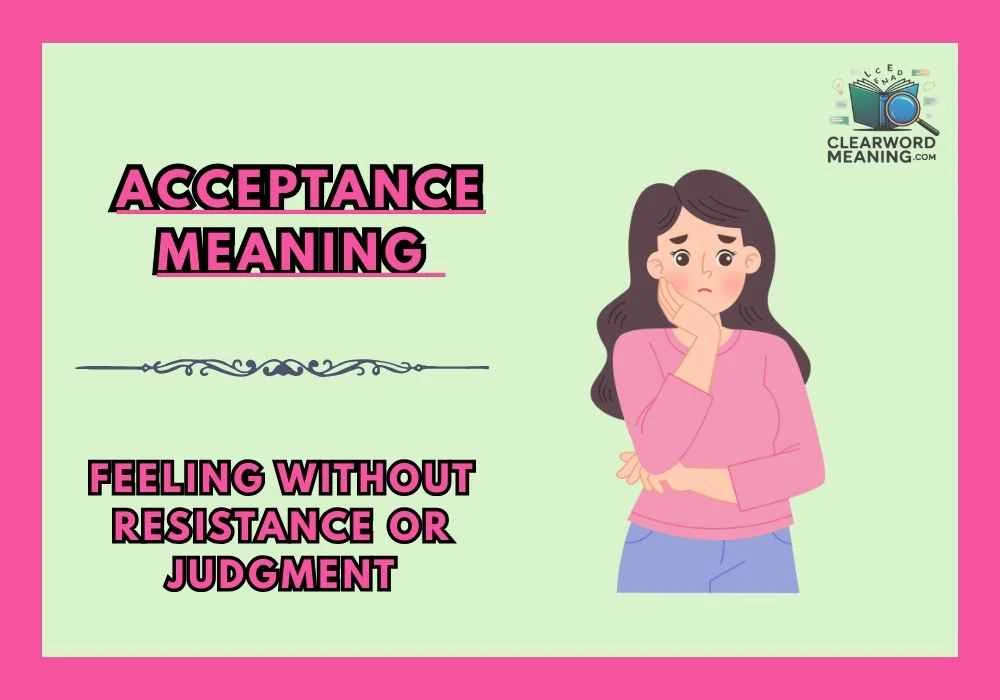
Acceptance is the act of acknowledging or embracing a situation, person, or feeling without resistance or judgment. It’s a word that has deep emotional and social significance and is often linked to personal growth, relationships, and mental well-being.
- Origin: The term comes from the Latin word acceptare, meaning to take or receive willingly.
- Core Idea: Accepting something doesn’t always mean agreeing with it—it means recognizing reality as it is.
In everyday life, acceptance can be as simple as saying “It’s okay” when plans go wrong or as profound as embracing your own flaws and imperfections.
How to Use “Acceptance” in Texts or Chat
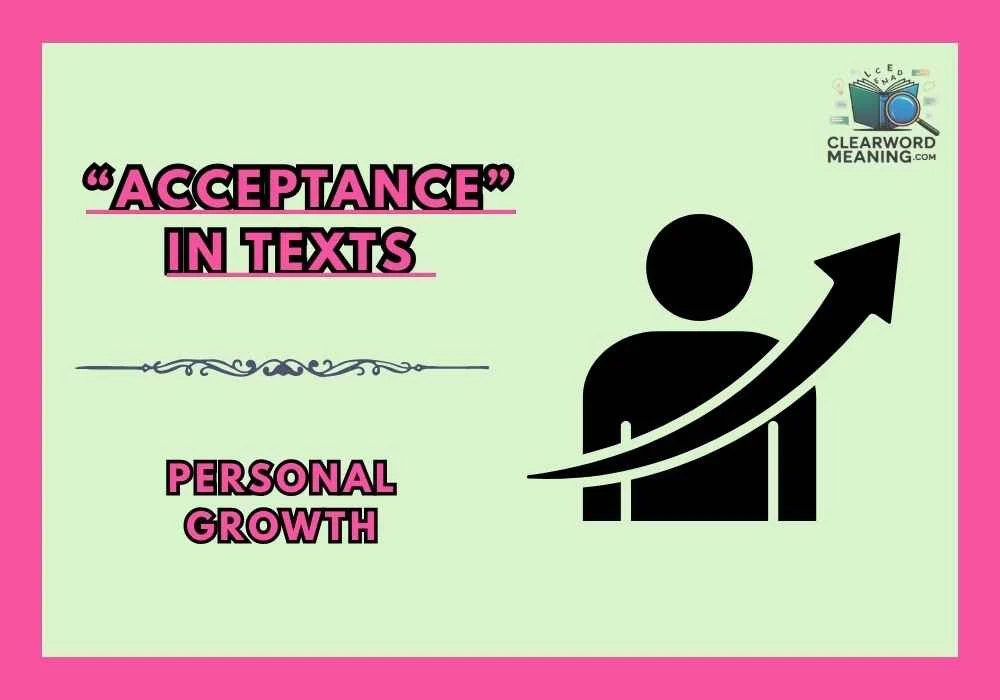
Although acceptance may sound formal, it often pops up in casual texting or online chats, especially when discussing feelings, relationships, or life changes.
Here are some ways you can use it naturally:
- Personal growth: “I’m learning acceptance of my mistakes every day.”
- Relationship chats: “Acceptance is key if we want to move forward together.”
- Casual texting: “It’s all good, acceptance is the vibe today 😌.”
Tip: Using emojis with the word can make your message feel more personal and relatable, e.g., 🙏, 😌, ❤️.
Examples of “Acceptance” in Conversations
Seeing examples makes it easier to understand how acceptance is used in real life.
- Friend-to-friend chat:
A: “I can’t believe I messed up the project.”
B: “It’s okay, acceptance is the first step to improvement.” - Social media post:
“After years of struggle, I finally found peace in acceptance. #LifeLessons” - Texting about self-growth:
“I’m practicing acceptance of my bad habits before trying to change them. 🌱”
Common Mistakes or Misunderstandings
Even though acceptance seems straightforward, people often confuse it with:
- Approval: Acceptance doesn’t always mean you agree with something.
- Indifference: Accepting a situation doesn’t mean you don’t care; it means you acknowledge reality.
- Giving up: True acceptance is active, not passive. It’s about facing reality with a clear mind, not resigning to failure.
Quick Tip: Remember, acceptance is about balance—it’s about embracing reality without losing your voice.
Related Slangs or Abbreviations
While acceptance isn’t a slang itself, it often appears alongside popular online phrases expressing similar emotions:
- FOMO (Fear of Missing Out): Acceptance helps reduce FOMO by making you content with the present.
- YOLO (You Only Live Once): Embracing YOLO often requires acceptance of life’s unpredictability.
- Vibe check: Passing the vibe check sometimes requires self-acceptance.
Pro Tip: Combining acceptance with casual slang in chats can make your texts sound thoughtful yet trendy:
“Vibe check passed—acceptance mode on 😎.”
Why Understanding Acceptance Matters in 2026
In the digital age, conversations are fast, emojis rule the day, and mental health awareness is skyrocketing. Understanding acceptance is not just about improving vocabulary—it’s about communicating empathy, maturity, and emotional intelligence online.
Practical Uses:
- Mental health: Helps reduce stress and anxiety.
- Conflict resolution: Encourages understanding rather than arguing.
- Self-improvement: Accepting personal flaws is the first step toward growth.
Example in a trend: TikTok and Instagram reels often feature quotes like “Acceptance > Resistance” to encourage mindfulness.
FAQs:
What is the simplest definition of acceptance?
Acceptance means acknowledging a situation, feeling, or person without fighting against it.
How is acceptance different from approval?
Approval means agreeing; acceptance means recognizing reality without judgment.
Can acceptance improve relationships?
Yes! By understanding and accepting others’ perspectives, conflicts reduce and empathy grows.
How can I practice acceptance daily?
Start with small steps like accepting minor mistakes, delays, or changes in plans.
Is acceptance considered a positive trait in online chats?
Absolutely! It conveys maturity, patience, and emotional intelligence, making your messages resonate more.
Conclusion
Acceptance is more than just a word it’s a mindset, a way of relating to the world, and an essential skill for modern life and digital communication. Understanding its meaning, using it thoughtfully in texts or chats, and practicing it in real life can improve relationships, mental well-being, and personal growth.
So next time you face a challenging situation, remember: acceptance isn’t giving up; it’s embracing reality with clarity and calm.

I am the author, Mitchell, passionate about creating engaging and reliable content that adds real value to readers. With a focus on clarity, accuracy, and insight, I aim to make complex topics easy to understand. I believe in delivering well-researched, practical information that builds trust and helps my audience make informed decisions. Every piece I write is crafted to be informative, meaningful, and impactful, reflecting my commitment to quality and consistency.