In today’s fast-moving texting, social media, and online chat culture, words often change their meaning completely. One such word is thug. You might see it in WhatsApp messages, Instagram captions, TikTok comments, or even gaming chats and wonder: what does thug really mean here?
Understanding the thug meaning is important because it doesn’t always refer to crime or violence anymore. In modern slang, it can be positive, playful, ironic, or even respectful, depending on the context.
This guide breaks everything down in simple, human language, so you can confidently understand and use it the right way.
What Does “Thug” Mean? (Definition & Origin)
Traditional Meaning of Thug
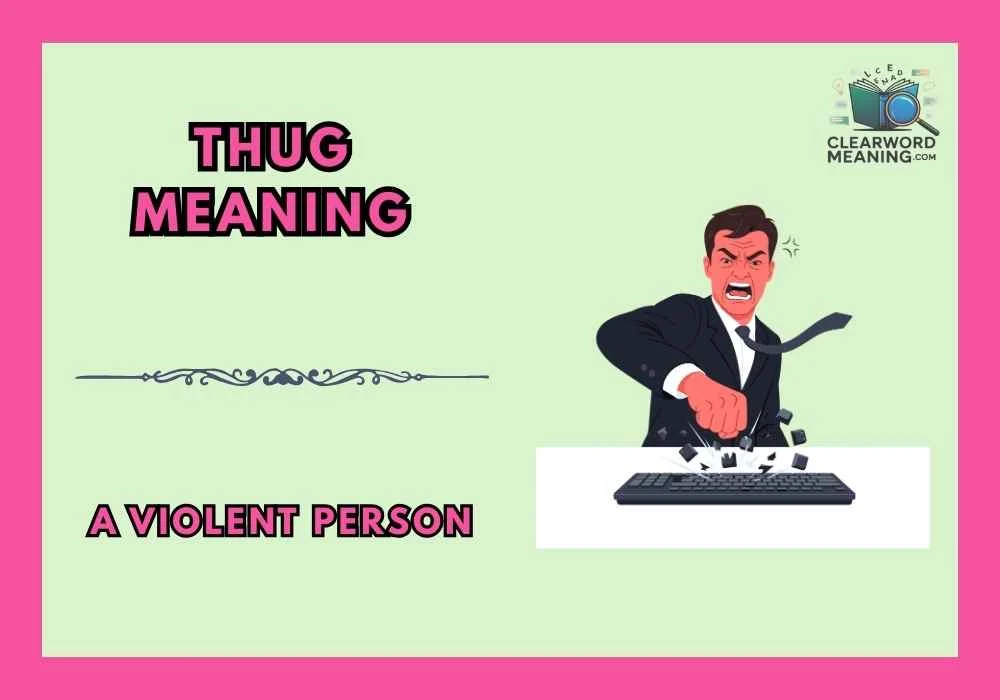
Historically, the word thug referred to:
- A criminal
- A violent person
- Someone involved in illegal or aggressive behavior
This meaning comes from the 19th century and was commonly used in news, books, and law enforcement language.
Modern Slang Meaning of Thug
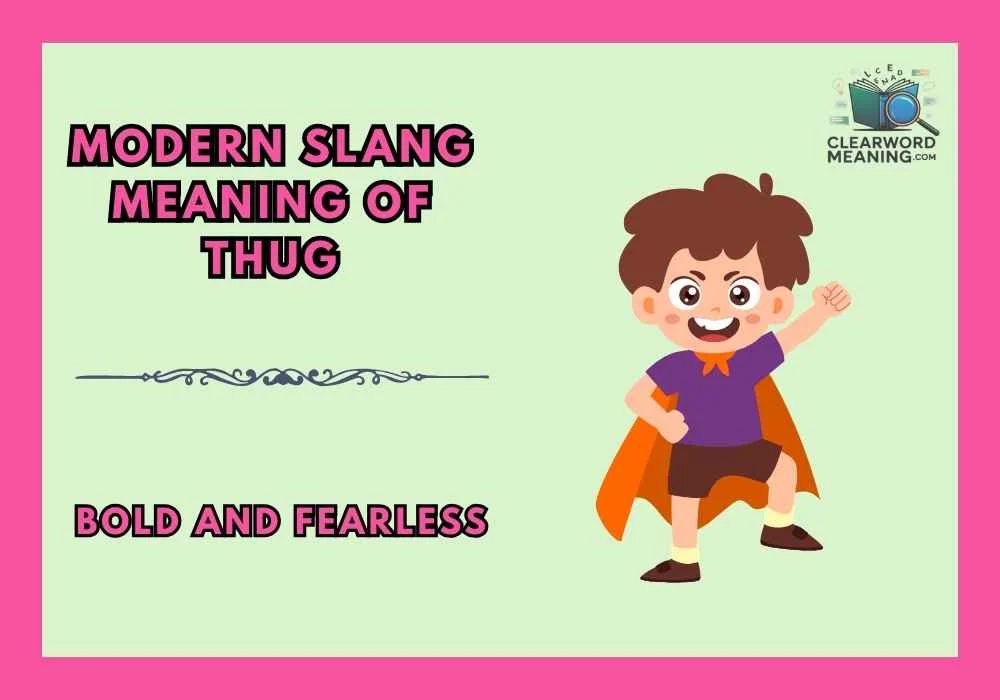
In today’s texting and chat slang, the thug meaning has evolved. It now often describes someone who is:
- Bold and fearless
- Confident and tough
- Stylish with attitude
- Street-smart
- Unapologetically real
In slang, calling someone a thug can actually be a compliment, depending on tone and context.
💬 “She handled that situation like a thug.”
Meaning: She stayed confident and strong under pressure.
How Thug Is Used in Texts or Online Chat
Positive Slang Usage
In casual chats, thug is often used to praise someone’s confidence or attitude.
Examples:
- “Bro walked in like a thug 😎”
- “She’s a thug for standing up for herself”
- “That outfit is thug energy”
Here, thug means:
- Fearless
- Strong-minded
- Confident
Playful or Funny Usage
Sometimes, it’s used jokingly or ironically.
Examples:
- “Me eating spicy noodles acting like a thug 🌶️”
- “I survived Monday like a thug”
This usage adds humor and exaggeration, not seriousness.
Negative Usage (Still Exists)
Yes, the old meaning hasn’t completely disappeared.
Examples:
- “Those guys were acting like thugs”
- “He got arrested for thug behavior”
Here, it clearly refers to aggressive or criminal actions.
Examples of Thug in Real Conversations

Text Message Examples
- Friend: “You really went alone? That’s thug behavior.”
- You: “Had to. No fear 😤”
- Friend: “You fixed your phone yourself?”
- You: “Yeah, thug life 💪”
Social Media Examples
- Instagram caption: “Living life my way. Thug mindset.”
- TikTok comment: “That confidence is thug fr.”
- Twitter/X: “Stayed calm during chaos like a real thug.”
Gaming & Online Forums
- “Solo win? That’s thug gameplay.”
- “You clutched that round like a thug.”
Common Mistakes or Misunderstandings
Thinking Thug Is Always Negative
One of the biggest mistakes is assuming thug always means criminal. In modern slang, that’s not true.
Using It in Formal Situations
Avoid using thug in:
- Professional emails
- Academic writing
- Job interviews
It’s still slang, not formal language.
Cultural Sensitivity
Be careful with context. Some people may still associate thug with negative stereotypes. Always consider:
- Who you’re talking to
- Where you’re posting
- The tone of your message
Related Slangs or Abbreviations
If you’re learning thug meaning, you’ll probably encounter these related slang terms:
Thug Life
- Popularized by hip-hop culture
- Means living boldly and unapologetically
- Often used humorously in memes
Example:
- “Forgot my homework but showed up anyway. Thug life 😎”
Savage
- Fearless, brutally honest, confident
- Similar vibe to thug
Boss
- Someone in control
- Strong leadership energy
Alpha
- Dominant, confident personality
- Often overlaps with thug energy
Real One
- Someone genuine and loyal
- Thug behavior is often associated with being “real”
When and Where Is Thug Commonly Used?
You’ll mostly see thug used in:
- 📱 Text messages
- 📸 Instagram & Snapchat captions
- 🎵 Rap & hip-hop lyrics
- 🎮 Gaming chats
- 💬 TikTok comments
- 🧵 Online forums & memes
It’s rarely used in:
- Office communication
- Formal writing
- News articles (unless literal)
How to Use Thug Correctly (Practical Guide)
If you want to use thug naturally, follow these tips:
- Use it casually, not formally
- Match the tone of the conversation
- Pair it with humor or confidence
- Avoid using it around people who may find it offensive
Correct Usage
✔ “You stayed calm under pressure. That’s thug.”
✔ “Handled that like a thug fr.”
Incorrect Usage
❌ “Dear Sir, you are a thug at work.”
❌ “Thug behavior noted in official report.”
Why the Meaning of Thug Keeps Changing
Language evolves fast—especially online. The thug meaning has shifted because of:
- Hip-hop and pop culture influence
- Meme culture
- Youth slang trends
- Social media creativity
Words are no longer fixed. Their meaning depends on context, tone, and audience.
FAQs:
Is thug a bad word in texting?
Not always. In modern slang, thug can be positive or humorous. It depends on context and tone.
What does thug mean in slang today?
It usually means confident, fearless, bold, or tough-minded, not necessarily criminal.
Can I call my friend a thug?
Yes, if your friend understands slang and the tone is friendly or joking.
Is thug used differently on social media?
Yes. On platforms like TikTok and Instagram, it often represents confidence or attitude.
Is thug still offensive to some people?
Yes. Some people still associate it with negative stereotypes, so use it carefully.
Conclusion
The thug meaning has come a long way from its original definition. While it once strictly meant a criminal or violent person, today it often represents confidence, boldness, and fearless attitude—especially in texting and online chats. Context is everything.
When used correctly, thug can add humor, personality, and style to conversations. Just remember to be mindful of who you’re talking to and where you’re using it. Slang is powerful—but only when used smartly.

I am the author, Brook, dedicated to creating clear and reliable content that informs and engages readers. With a passion for well-researched and valuable information, I focus on delivering content that is both easy to understand and practical. My goal is to build trust with my audience by providing consistent, accurate, and meaningful material. Whether writing for beginners or experts, I strive to make every piece insightful, engaging, and impactful.