Curious about the term “slur meaning”? You’re not alone! In today’s fast-paced texting world, understanding slang and abbreviations can save you from confusion—or even embarrassment.
In this article, we’ll dive deep into the slur meaning, explore its origins, usage, and provide practical examples that make it easy to understand. Whether you’ve seen it online, in chats, or on social media, you’ll leave knowing exactly how to use it correctly and avoid common pitfalls.
Updated for 2026, this guide is your ultimate resource for mastering one of the most misunderstood words in modern conversation.
What Does “Slur” Mean? (Definition & Origin)
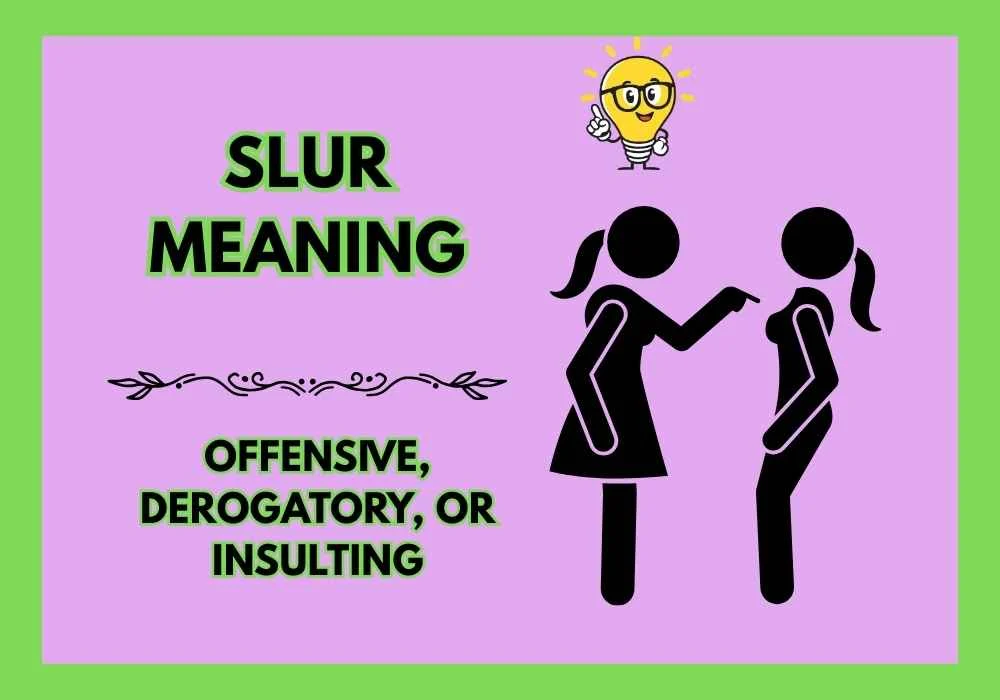
A slur is generally a word or phrase that is offensive, derogatory, or insulting toward a person or group based on race, ethnicity, gender, sexual orientation, religion, or other characteristics.
- Origin: The term dates back to the 16th century, originally meaning “to glide or slip over,” but evolved to describe speech that disparages someone.
- Modern use: Today, “slur” is often used in both spoken and written conversations to call out harmful language, especially online.
Example:
If someone says something insulting about another person’s accent or appearance, that comment is considered a slur.
How to Use “Slur” in Texts or Chat
Understanding slur meaning is important to avoid using it accidentally in conversations. Here’s how it’s generally applied:
- Calling out offensive language:
“That comment was a slur, and it’s not okay.” - Discussing sensitive topics:
“We need to be careful not to use any slurs in our chat.” - Educational or informative contexts:
“This article explains the slur meaning and why some words hurt.”
Pro tip: Always consider your audience. Using or joking about slurs can lead to misunderstandings, so clarity and context matter.
Examples of “Slur” in Conversations
Here are relatable examples of how people might encounter or use the term in chats or social media:
- Texting a friend:
“Did you hear that? That was totally a slur!” - Forum discussion:
“Moderators removed the comment because it contained a racial slur.” - Social media post:
“Learning about slurs helps us communicate more respectfully online.”
Fun fact: While slurs are serious, knowing the term can make discussions about language more educational and productive.
Common Mistakes or Misunderstandings
People often confuse or misuse the word slur in everyday communication. Here’s what to avoid:
- Using it as a synonym for any rude word—not all insults are slurs.
- Assuming someone used a slur intentionally—it could be accidental.
- Overgeneralizing—context matters in determining if a word qualifies as a slur.
Quick tip: If unsure, pause and clarify. Saying “I think that might be a slur” shows awareness without escalating conflict.
Related Slangs or Abbreviations
While “slur” is a formal term, here are some related abbreviations and chat slang you might encounter:
- NSFW: Not Safe For Work content, sometimes contains slurs.
- Cancel culture: Often involves calling out slurs in public discussions.
- Racist/sexist joke tags: Some online communities use hashtags to indicate slurs.
- Trolling: Deliberate use of slurs or offensive language to provoke reactions.
Tip: Understanding related terms helps you navigate social media and text chats confidently.
FAQs:
What is a slur in simple terms?
A slur is a word or phrase meant to offend or insult someone based on personal or group characteristics.
Can slurs be used jokingly?
Technically yes, but it’s risky. Even jokes can hurt feelings or escalate online conflict.
How do I know if a word is a slur?
Check context and intent. Words targeting race, gender, religion, or identity are often slurs.
Are slurs the same in every culture?
No. A word offensive in one culture may not be in another. Always be culturally aware.
Why is it important to learn slur meanings?
Knowing the slur meaning helps avoid accidental offense and fosters respectful communication online.
Conclusion
Understanding the slur meaning is essential in today’s texting and social media culture. By knowing how to identify, avoid, and discuss slurs, you can communicate more thoughtfully and responsibly.
Remember, context and intent matter more than just words. Avoid misuse, educate yourself, and help others understand why certain language can hurt.

I am the author, Mitchell, passionate about creating engaging and reliable content that adds real value to readers. With a focus on clarity, accuracy, and insight, I aim to make complex topics easy to understand. I believe in delivering well-researched, practical information that builds trust and helps my audience make informed decisions. Every piece I write is crafted to be informative, meaningful, and impactful, reflecting my commitment to quality and consistency.