Curious about sassenach meaning and how this old word popped up in modern texts? You’re not alone! Many people stumble across sassenach while chatting online or watching historical shows and wonder what it really signifies.
In this article, we’ll break down the sassenach meaning, explore its origin, and show you how to use it correctly in conversations. Updated for 2026, this guide is perfect for text-savvy readers, history buffs, and online chatterers alike.
What Does “Sassenach” Mean? (Definition & Origin)
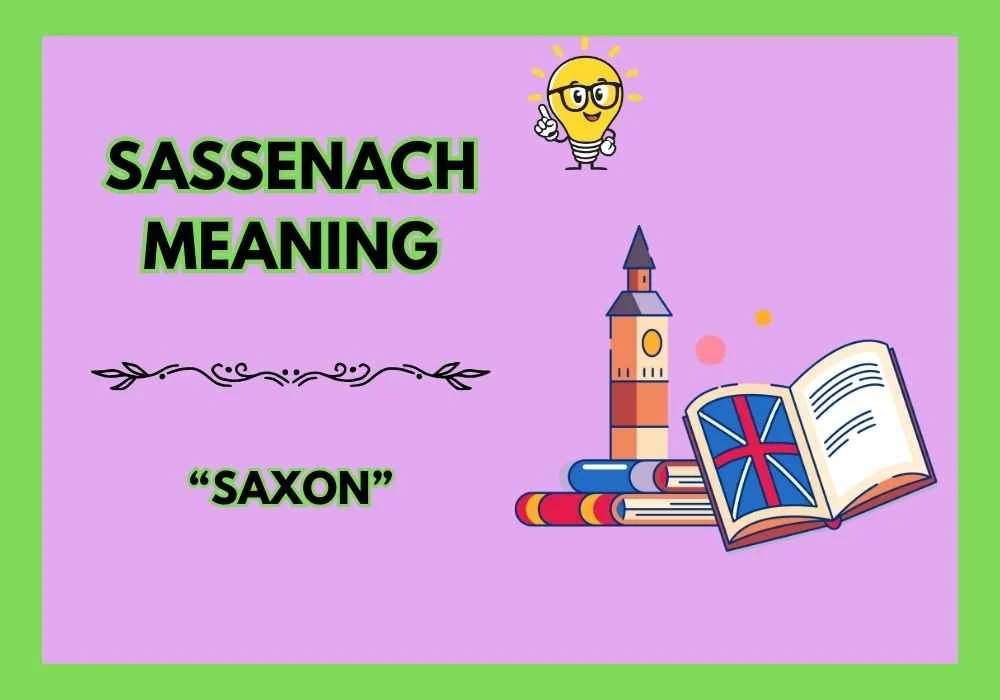
The term sassenach originates from the Scottish Gaelic word Sasunnach, which literally means “Saxon.” Historically, it was used by Scots to refer to English people. Over time, the word evolved, and while it sometimes carries a teasing or playful tone, it can also be mildly insulting depending on context.
- Literal meaning: English person (originally Saxon)
- Modern usage: Often used jokingly in TV shows, fan communities, and even casual texting
- Cultural references: Popularized by the Outlander series, where it’s frequently used to refer to the main English character
Think of it as a cheeky way of saying “foreigner” in Scotland—but with style and flair.
How to Use “Sassenach” in Texts or Chat
Using sassenach in your chats can add humor or historical flair. Here’s how you can include it naturally:
- Playful teasing: “Watch out, you little sassenach, don’t steal my snacks!”
- Historical references: “In the show, she called him a sassenach again—so funny!”
- Social media captions: “Me trying to blend in at a Scottish festival like a true sassenach.”
Tips:
- Avoid using it in serious or sensitive contexts—it’s best for humor or casual banter.
- Pair it with emojis 🏴☠️🫡 to lighten the tone.
Examples of “Sassenach” in Conversations
Here are some real-life examples to help you see how it’s used today:
- Texting a friend: “Don’t be such a sassenach, you know the rules!”
- Online forum comment: “Every time I watch Outlander, I shout ‘sassenach’ at the TV.”
- Social media post: “Met some Scottish fans at the convention—totally felt like a sassenach!”
Notice how these examples mix humor, pop culture, and personal expression—perfect for online use.
Common Mistakes or Misunderstandings
Many people get sassenach meaning wrong because they only hear it in shows or online memes. Here are some pitfalls to avoid:
- Using it as an insult aggressively: It’s usually playful, not a harsh insult.
- Spelling errors: Incorrect spellings like “sassanach” or “sassanach” are common.
- Overusing it: One or two uses in a conversation are funny; too many can confuse or annoy readers.
Related Slangs or Abbreviations
While sassenach is unique, you might encounter similar slang in texts or historical discussions:
- Brogue: Refers to a Scottish accent
- Lass/Laddie: Common Scottish terms for girl/boy
- Wee: Means small or cute in Scottish texts
These words often pop up alongside sassenach in TV shows, memes, and online chats.
Practical Tips for Using “Sassenach”
- Perfect for playful teasing among friends
- Use in Scottish or historical discussions
- Pair with emojis and context clues to clarify tone
- Remember it’s niche—use wisely to show your cultural awareness
FAQs:
What is the origin of sassenach?
It comes from the Scottish Gaelic Sasunnach, meaning “Saxon” or English person.
Can I use sassenach in casual texting?
Yes! It’s great for jokes, playful teasing, or referencing shows like Outlander.
Is sassenach offensive?
Usually not. It’s lighthearted and teasing unless used aggressively.
Where did sassenach become popular recently?
The Outlander series brought it back into modern pop culture.
Can sassenach refer to anyone, not just English people?
Traditionally it meant English people, but today it can be a fun term for “foreigner” in informal contexts.
Conclusion
Understanding sassenach meaning helps you appreciate its history and modern-day charm. It’s a playful word, full of Scottish flair, perfect for texts, social media, or just sounding cultured. Remember to use it lightly, with humor, and in the right context to impress your friends.

I am the author, Mitchell, passionate about creating engaging and reliable content that adds real value to readers. With a focus on clarity, accuracy, and insight, I aim to make complex topics easy to understand. I believe in delivering well-researched, practical information that builds trust and helps my audience make informed decisions. Every piece I write is crafted to be informative, meaningful, and impactful, reflecting my commitment to quality and consistency.