Ever wondered what “omnipresent” really means? Whether you’ve seen it in texts, social media posts, or even casual conversations, understanding the omnipresent meaning can give you a boost in expressing yourself clearly.
In this guide, we’ll dive deep into the omnipresent meaning, its origin, usage, and how you can naturally include it in your everyday chats.
Updated for 2026, this article brings fresh examples and practical tips that make learning modern language simple, fun, and relatable.
By the end, you’ll not only know the meaning but also feel confident using it in your messages and posts.
What Does “Omnipresent” Mean? (Definition & Origin)
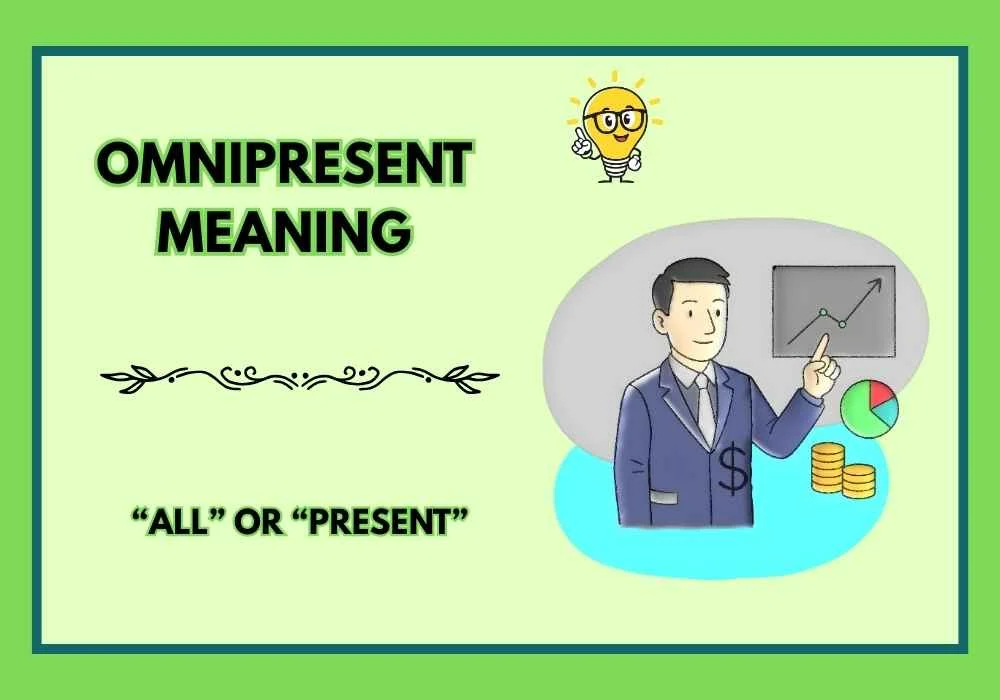
The term omnipresent comes from Latin roots: omni- meaning “all” and praesent meaning “present.” Put simply, omnipresent means being present everywhere at the same time.
- Formal meaning: Existing everywhere simultaneously, often used in philosophy, religion, or literature.
- Modern texting twist: People sometimes use “omnipresent” humorously or exaggeratively to describe something that seems unavoidable—like a viral meme or trend.
Example in conversation:
“The new dance challenge is omnipresent; I see it everywhere on my feed!”
Here, “omnipresent” isn’t literal—it’s just a fun way to say it’s everywhere.
How to Use “Omnipresent” in Texts or Chat
Using omnipresent in texting can make your messages sound witty, intelligent, or playful. Here’s how:
- Social media captions:
“Coffee memes are omnipresent in my feed today!” - Casual texting:
“That song is omnipresent—I hear it in every store!” - Forums or discussion boards:
“The influence of AI seems omnipresent in tech discussions.”
Tips for usage:
- Keep it light for casual chats; save the deep, philosophical meaning for formal writing.
- Pair it with exaggeration or humor to make your point pop.
Examples of “Omnipresent” in Conversations
Here are some real-life examples you might see in 2026 conversations:
- Texting a friend:
“Bro, TikTok dances are omnipresent, I can’t escape them!” - Social media comment:
“Omnipresent memes today! Everyone is sharing the same one.” - Workplace chat:
“Our manager is omnipresent in Slack notifications, LOL!”
Notice how context shapes the tone—sometimes it’s serious, other times playful.
Common Mistakes or Misunderstandings
Even smart users can misuse omnipresent if they aren’t careful. Here’s what to watch out for:
- Over-literal use: Don’t claim something is literally everywhere—it rarely is.
- Wrong context: Avoid using it for people or objects that aren’t noticeable or recurring.
- Spelling errors: Omnipresent has only one “n” after “omni.”
Quick fix: Think “everywhere at once” before texting it.
Related Slangs or Abbreviations
Want to expand your slang game? Here are some words often associated with omnipresent in online chats:
- Everywhere: A simple, casual alternative.
- Trending: For viral content or ideas.
- Ubiquitous: A fancier synonym that impresses friends.
- All over the place: Informal, fun, and very relatable.
Example:
“That meme is literally everywhere, totally omnipresent today!”
FAQs:
What’s the difference between omnipresent and ubiquitous?
Omnipresent often implies “everywhere at the same time,” while ubiquitous just means “widely found” or common.
Can I use omnipresent in casual texting?
Absolutely! Just keep it fun and relatable; exaggeration works perfectly in chats.
Is omnipresent only for objects?
No, you can describe trends, memes, songs, or even feelings as omnipresent.
How do I pronounce omnipresent correctly?
It’s pronounced om-nih-prez-uhnt, with the stress on the second syllable.
Why is omnipresent popular in online conversations?
Because it’s a clever, slightly formal word that makes everyday observations sound smart and funny.
Conclusion
Understanding the omnipresent meaning is easier than it seems. Whether you’re using it in casual texts, social media captions, or more formal writing, the word adds flair and clarity to your messages. Remember, context matters—use it playfully for memes or seriously for ideas and concepts.
Now that you know how to use omnipresent confidently, start spotting it everywhere in 2026 trends, texts, and chats.

I am the author, Mitchell, passionate about creating engaging and reliable content that adds real value to readers. With a focus on clarity, accuracy, and insight, I aim to make complex topics easy to understand. I believe in delivering well-researched, practical information that builds trust and helps my audience make informed decisions. Every piece I write is crafted to be informative, meaningful, and impactful, reflecting my commitment to quality and consistency.