Ever wondered about the notable meaning in chats, texts, or even social media posts? If you’ve seen someone describe a person, event, or thing as “notable” and felt confused, you’re not alone.
Understanding the notable meaning is more than just knowing it’s a fancy word it helps you grasp why something stands out and how to use it naturally in conversations.
Updated for 2026, this guide breaks down everything you need to know about notable, including its origin, correct usage, common mistakes, and even fun examples from real-life chats.
Whether you’re texting friends, posting on social media, or exploring internet slang, mastering the word notable will make your messages smarter, clearer, and more relatable.
What Does “Notable” Mean? (Definition & Origin)
Definition:
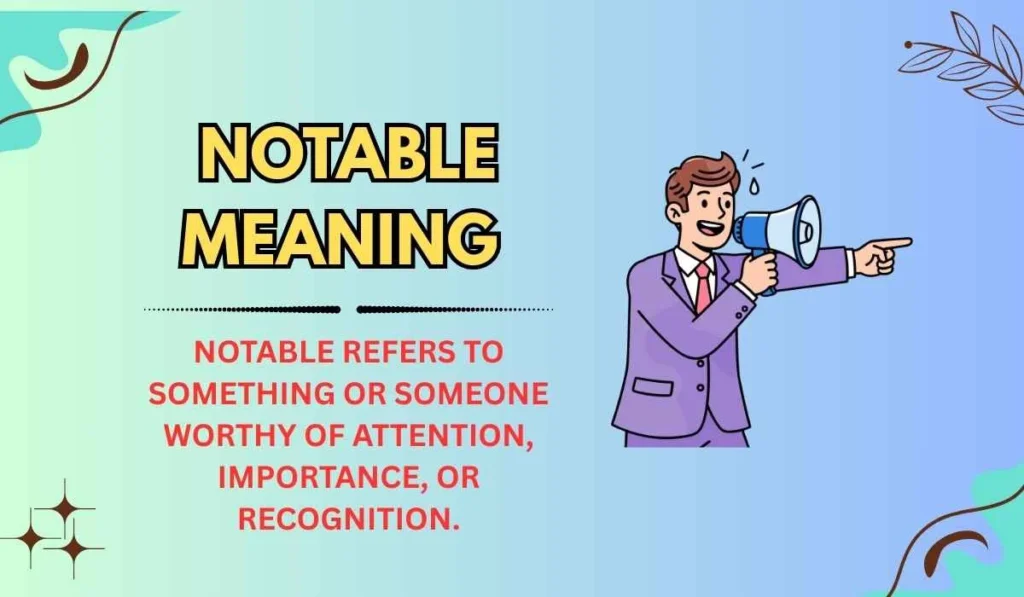
The term notable refers to something or someone worthy of attention or remarkable. It signals that a person, action, or object stands out from the ordinary. In casual texting or online conversation, calling someone or something “notable” is a concise way to highlight its importance.
Origin:
The word “notable” comes from the Latin word notabilis, meaning “worth noting.” It has been used in English since the 15th century, initially in formal writing. Today, it’s common in everyday chat, especially when describing interesting events, people, or achievements online.
Quick Tip: In texts, using notable adds a touch of sophistication without sounding overly formal.
How to Use “Notable” in Texts or Chat
Using notable correctly can make your messages stand out. Here’s how:
- Highlight achievements: “Her presentation was notable for its creativity.”
- Point out someone interesting: “He’s a notable figure in the gaming community.”
- Spot trends or events: “That concert last night was notable for the amazing visuals.”
Pro Tips:
- Avoid overusing it; it works best when highlighting something truly remarkable.
- Pair it with descriptive adjectives for more impact: “truly notable performance” or “notable milestone.”
Examples of “Notable” in Conversations
Here are some relatable examples of notable usage in texts or online chats:
Casual Chat:
- Friend 1: “Did you see her new painting?”
- Friend 2: “Yes! It’s really notable, I love the colors!”
Social Media:
- Tweet: “2026’s most notable tech innovations are here. Have you seen them?”
Work/Professional:
- Slack: “We had a notable increase in sales this quarter—great job team!”
These examples show how versatile the word can be, from friendly conversations to professional updates.
Common Mistakes or Misunderstandings
Even popular words like notable are sometimes misused. Here are common pitfalls:
- Overgeneralization: Calling every achievement “notable” can reduce its impact.
- Confusing with “famous”: Something notable doesn’t have to be widely known, just remarkable.
- Wrong context: Avoid using it in casual complaints or negative remarks.
Quick Fix: Always ask yourself: “Does this stand out or deserve attention?” If yes, it’s notable.
Related Slangs or Abbreviations
While notable isn’t exactly slang, it pairs well with modern abbreviations and phrases in chat:
- FYP (For You Page) – “That video was notable on my FYP.”
- IRL (In Real Life) – “Her IRL achievements are truly notable.”
- ICYMI (In Case You Missed It) – “ICYMI: This notable event happened yesterday!”
These combinations make notable trendy and relevant in 2026 digital conversations.
FAQs:
What does notable mean in texting language?
In texting, notable highlights someone or something important, remarkable, or worth attention.
Can notable refer to a person?
Yes! A person can be notable for achievements, skills, or unique traits.
How do I use notable professionally?
Use it in emails, reports, or chats to emphasize key points, achievements, or trends without sounding too casual.
Is notable the same as famous?
Not exactly. Something notable stands out and is worthy of attention but doesn’t have to be famous.
Can notable be used sarcastically?
Yes, but use sparingly. Sarcasm may confuse the reader if the context isn’t clear.
Conclusion
The word notable is more than just a fancy adjective—it’s a versatile way to highlight importance in texts, chats, or social media posts. By understanding its meaning, proper usage, and common mistakes, you can make your messages stand out and feel thoughtful.
Whether you’re pointing out someone’s achievements, sharing interesting events, or commenting online, using notable smartly will make your words more impactful and relatable. Updated for 2026, this guide ensures you’re ready to text, chat, and post like a pro.

I am the author, Mitchell, passionate about creating engaging and reliable content that adds real value to readers. With a focus on clarity, accuracy, and insight, I aim to make complex topics easy to understand. I believe in delivering well-researched, practical information that builds trust and helps my audience make informed decisions. Every piece I write is crafted to be informative, meaningful, and impactful, reflecting my commitment to quality and consistency.