Have you ever received a message with the word “Linda” and wondered what it really means in texting or online chats? The Linda meaning can vary depending on context, and knowing how to use it correctly can make your chats more fun and relatable.
In this article, we will break down the Linda meaning, show real-life examples, and guide you on how to use it naturally in conversations.
You’ll not only understand Linda meaning but also feel confident using it in your texts and social media posts.
What Does “Linda” Mean? (Definition & Origin)

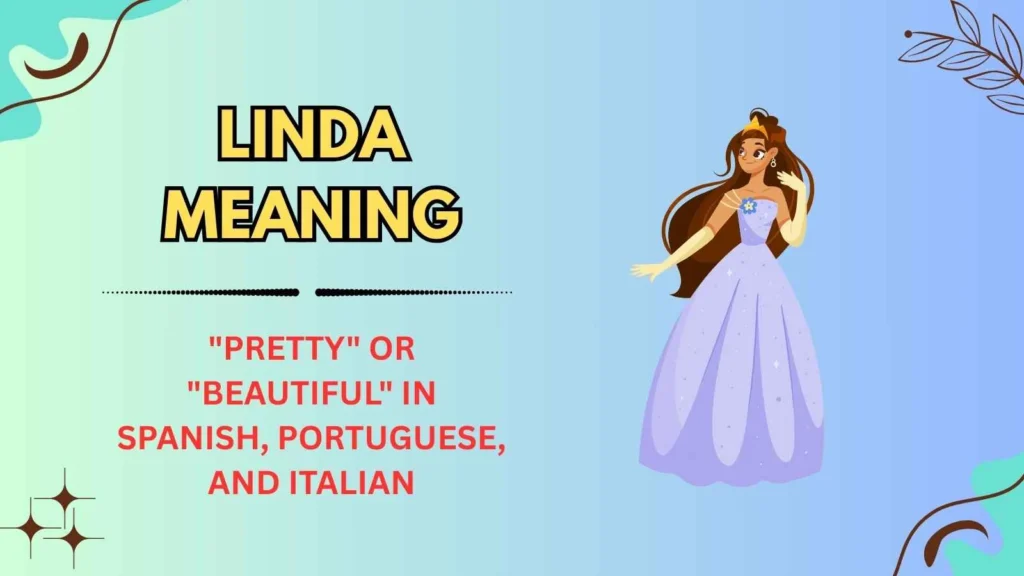
In modern texting and online slang, Linda is often used as a compliment or expression of admiration. It comes from the Spanish and Portuguese word “linda,” which literally means beautiful or pretty. People started using it in chats, social media, and messaging apps as a shorthand way of telling someone they look nice or their message/comment is appreciated.
Origin:
- Spanish/Portuguese roots: Linda = beautiful/pretty
- Popularized in texting: Around the 2010s, especially in Latin-American online communities.
- Current usage: Can be casual or playful depending on context.
How to Use “Linda” in Texts or Chat

Using Linda correctly in conversations depends on tone and context. Here are some practical ways:
- Complimenting someone:
“Wow, that outfit is amazing, Linda!” - Reacting to a cute message or photo:
“Aww, that puppy pic is adorable, Linda!” - Friendly nickname: Sometimes close friends call each other Linda playfully.
Tips:
- Use it for positive remarks only.
- Avoid using it sarcastically unless your friends understand your humor.
- Works well in casual texting, Instagram DMs, WhatsApp messages, or even TikTok comments.
Examples of “Linda” in Conversations
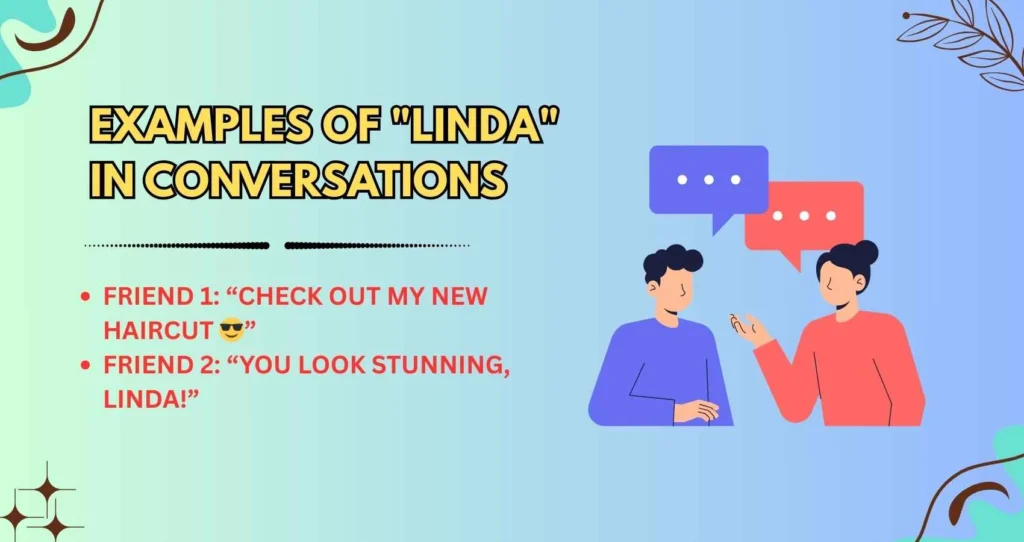
Here are some examples to make it crystal clear:
. Example 1 – Complimenting a photo:
- Friend 1: “Check out my new haircut 😎”
- Friend 2: “You look stunning, Linda!”
. Example 2 – Responding to a nice gesture:
- Friend 1: “I brought your favorite snacks 🍫”
- Friend 2: “Aww, thank you, Linda!”
. Example 3 – Flirty usage:
- Crush 1: “Had a great time today 😊”
- Crush 2: “Me too, Linda ❤️”
Common Mistakes or Misunderstandings
Even though Linda is simple, people sometimes misuse it:
- Overusing it: Constantly calling everyone Linda can make it lose its charm.
- Wrong context: Using it in a serious or formal discussion can seem awkward.
- Misinterpretation: Some may think it’s your actual name rather than a compliment.
Pro tip: Match your tone and context to avoid misunderstandings.
Related Slangs or Abbreviations
If you like Linda, you might also enjoy these popular texting slang terms:
- Bella: Italian/Spanish for beautiful, similar to Linda.
- Cutie: A casual, English alternative to Linda.
- Gorgeous: More formal but still works in texts.
- Queen: Playful slang for someone admired.
- Bae: Term of endearment often used in romantic contexts.
FAQs:
What exactly does Linda mean in texting?
Linda means beautiful or pretty and is used as a compliment in chats or social media.
Can I call my friend Linda in messages?
Yes! Using Linda as a nickname is friendly and playful but best for casual contexts.
Is Linda only used for females?
Mostly, yes. It’s traditionally used for females, but playful usage for anyone is becoming common.
Where is Linda commonly used online?
It’s popular on Instagram, WhatsApp, TikTok, and general text messaging among Spanish-speaking or online communities.
Can using Linda be flirty?
Absolutely! Context matters, but Linda can express admiration or affection in a flirty way.
Conclusion
Understanding the Linda meaning can make your online chats and social media interactions more lively and relatable. From compliments to playful nicknames, Linda adds a touch of positivity and warmth in messages. Remember, context is key—use it in casual, friendly, or flirty situations to get the best response.
Stay updated with the latest texting slang to keep your chats fresh in 2026.

I am the author, Mitchell, passionate about creating engaging and reliable content that adds real value to readers. With a focus on clarity, accuracy, and insight, I aim to make complex topics easy to understand. I believe in delivering well-researched, practical information that builds trust and helps my audience make informed decisions. Every piece I write is crafted to be informative, meaningful, and impactful, reflecting my commitment to quality and consistency.