Have you ever come across the term “lady bugs” in a text or chat and wondered what it really means? Understanding lady bugs meaning can save you from awkward miscommunications and make your online conversations smoother.
In this article, we will explain the exact definition of lady bugs, its origin, how to use it correctly in texts or chats, and even share some relatable examples.
Updated for 2026, this guide is perfect for anyone who wants to master modern texting slang and stay up-to-date with internet abbreviations.
What Does “Lady Bugs” Mean? (Definition & Origin)
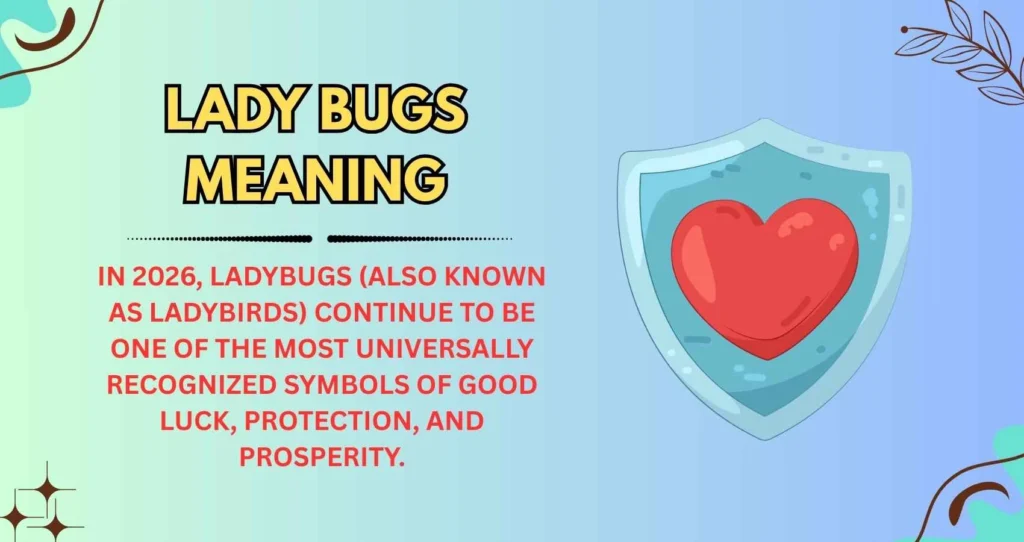
The term lady bugs is a modern texting slang often used to convey sweetness, luck, or affection in casual conversations. While it literally refers to the small, red insects known for their spotted wings, in texting culture, it has taken on a symbolic meaning.
- Literal Meaning: A small insect often considered lucky.
- Texting Meaning: Used as a cute or affectionate nickname, sometimes referring to a person or a positive vibe.
- Origin: This slang emerged in online chatrooms and social media around the early 2020s and gained traction among younger audiences who enjoy using playful, friendly expressions.
Fun Fact: Ladybugs are considered a symbol of good luck in many cultures, which is why the term carries a positive connotation in text messages.
How to Use “Lady Bugs” in Texts or Chat
Knowing the lady bugs meaning is just the start—you also need to know how to use it naturally in conversation. Here are some tips:
- As a nickname: “Hey lady bugs, how’s your day going?”
- To express positivity or luck: “Feeling lucky today, lady bugs!”
- In social media captions: “Spotted some cute lady bugs on my walk today 🐞✨”
Always consider your audience. This slang is best used among friends, younger users, or in informal online communities. Avoid using it in professional emails or formal messages.
Examples of “Lady Bugs” in Conversations
Seeing lady bugs in context helps you understand its usage better:
Text Message Example:
- Friend 1: “I got tickets for the concert tonight!”
- Friend 2: “Yay! Can’t wait, lady bugs!”
Social Media Example:
- “Had the best day at the park spotting lady bugs with my kids!”
Forum/Community Example:
- “Anyone else’s garden full of lady bugs this season? They’re the cutest little helpers!”
Common Mistakes or Misunderstandings
Even popular slang can be misused. Here are some common mistakes with lady bugs meaning:
- Confusing literal and figurative use: Not every mention of ladybugs is slang; context matters.
- Overusing the term: Using it in every chat can make your messages seem forced or childish.
- Using in formal contexts: Remember, it’s playful and casual, not professional.
Related Slangs or Abbreviations
If you love texting slang like lady bugs, you might also enjoy these:
- BFF – Best Friends Forever
- TBT – Throwback Thursday
- GOAT – Greatest Of All Time
- SMH – Shaking My Head
- YOLO – You Only Live Once
These abbreviations, like lady bugs, help express emotions, humor, or positive vibes quickly in chat.
FAQs:
What does “lady bugs” symbolize in texts?
It symbolizes affection, positivity, or good luck, depending on the context.
Can “lady bugs” be used for anyone?
Yes, but it’s typically used among friends or in informal chats.
Is “lady bugs” a recent slang term?
Yes, it became popular in online chatrooms and social media in the 2020s.
Can I use “lady bugs” in social media captions?
Absolutely! It’s playful and works well in posts, captions, or stories.
Are there other insect-related slang terms?
Yes, terms like “honeybee” or “firefly” are also used in affectionate or symbolic ways online.
Conclusion
Understanding lady bugs meaning can make your online conversations more fun and expressive. Whether you’re using it as a cute nickname, a sign of good luck, or just a playful text, this slang adds personality to your messages.
Remember, context is everything—use lady bugs in casual, friendly settings to keep the vibe positive and relatable.

I am the author, Mitchell, passionate about creating engaging and reliable content that adds real value to readers. With a focus on clarity, accuracy, and insight, I aim to make complex topics easy to understand. I believe in delivering well-researched, practical information that builds trust and helps my audience make informed decisions. Every piece I write is crafted to be informative, meaningful, and impactful, reflecting my commitment to quality and consistency.