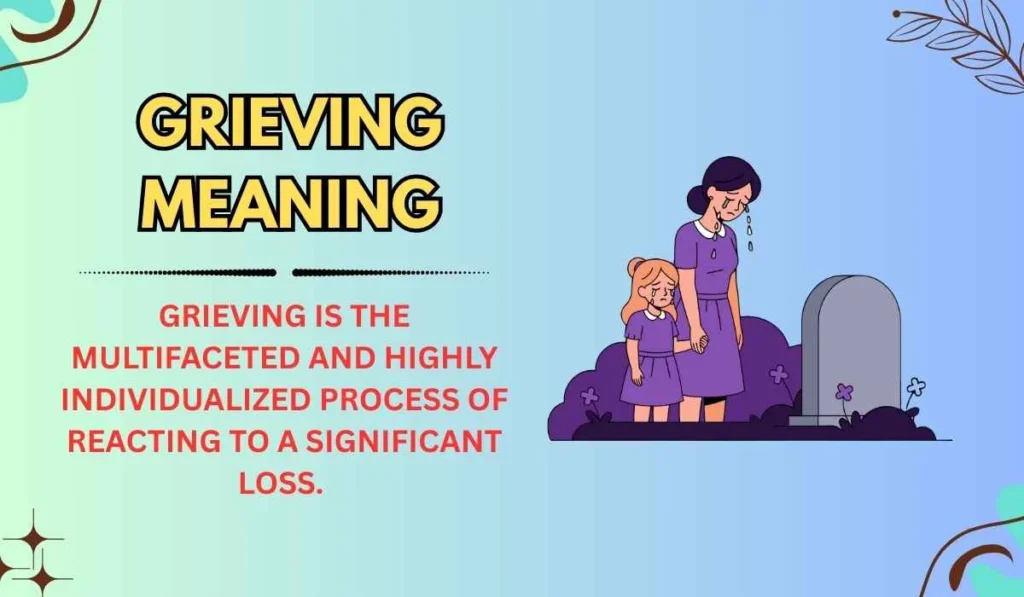
Grieving meaning isn’t just about sadness—it’s a word loaded with emotion, context, and nuance. If you’ve seen someone typing “I’m grieving” in a chat or social media post, you might have wondered, what does grieving really mean? In this guide, we’ll dive deep into grieving meaning, explore how it’s used in texts, and give you real-life examples that make it easy to understand and use.
By the end, you’ll know exactly how to recognize, interpret, and respond to this expression in everyday digital conversations. Updated for 2026, this article is your ultimate resource to decode modern texting language with confidence.
What Does “Grieving” Mean? (Definition & Origin)
The term grieving comes from the verb to grieve, which means to feel deep sorrow or distress, usually over a loss. Traditionally, it refers to mourning after the death of a loved one, but in modern texting and social media, it can describe a wide range of emotional experiences: heartbreak, disappointment, or even the loss of something less permanent, like missing an event or opportunity.
Origin Insight:
- Middle English: grieven → meaning to cause pain or sorrow.
- Modern Usage: Expanded online, it can describe emotional states beyond death, reflecting the digital generation’s expressive communication.
How to Use “Grieving” in Texts or Chat
Using grieving in chats or texts shows empathy, emotional openness, or self-expression. Here’s how you can do it correctly:
- Personal grief: “I’ve been grieving since my dog passed away 😢”
- Emotional frustration: “I’m grieving over the finale of my favorite show!”
- Relatable humor or exaggeration: “Grieving the fact that it’s Monday again 😭”
Tips for Text Use:
- Add emojis for tone clarity.
- Pair it with context to avoid misinterpretation.
- Use sparingly in casual chats unless expressing genuine emotion.
Examples of “Grieving” in Conversations
Here are real-life texting scenarios to show how grieving is commonly used:
1 Scenario: Personal Loss
- Friend 1: “Hey, are you okay?”
- Friend 2: “Not really… still grieving the loss of grandma 😔”
2 Scenario : Relatable Everyday Humor
- Person 1: “We ran out of coffee…”
- Person 2: “I’m grieving this tragedy ☕😭”
3 Scenario: Social Media Expression
- Caption: “Grieving the end of 2025 like… #GoodbyeYear”
Common Mistakes or Misunderstandings
Even in texting, grieving can be misinterpreted if used incorrectly:
- Overuse for minor inconveniences: Using “grieving” for small problems may seem sarcastic.
- Ignoring tone: Without context or emojis, messages can appear overly dramatic.
- Misreading seriousness: Some may think the person is joking when they are actually expressing true sadness.
Pro Tip: Match your use of “grieving” to the emotional weight of the situation.
Related Slangs or Abbreviations
Digital communication has given rise to several alternative expressions for grief or sadness:
- FML – F** My Life*: Often used humorously to show disappointment.
- RIP – Rest in Peace: Sometimes used sarcastically for minor losses.
- Mood – Expresses emotional resonance, e.g., “Grieving over my exam results = mood.”
- Sad AF – Exaggerated sadness.
- TFW – That Feeling When: Often paired with images/gifs of grieving moments.
These phrases often overlap with grieving and can complement its usage in chat culture.
Practical Use: When & Where to Use “Grieving”
Knowing when to use grieving can make your texts feel authentic and empathetic:
- Social Media Posts: Announcements, emotional reflections, or humor.
- Chats with Friends: Express genuine sadness or share relatable frustration.
- Forums & Online Communities: Discuss losses or challenging situations empathetically.
Remember, context is key! Use grieving in ways that feel natural and reflective of your emotions.
FAQs:
What does grieving mean in texting?
It usually means expressing sorrow or disappointment, but context matters—sometimes it’s casual, humorous, or emotional.
Can grieving be used humorously online?
Yes! Many people use it exaggeratively to react to minor inconveniences or relatable situations.
Is grieving only about death?
Not anymore. While traditionally linked to loss, modern usage includes heartbreak, disappointment, or frustrations.
How do I respond if someone says they’re grieving?
Show empathy with supportive messages like “I’m here for you” or use emojis to match their tone.
Are there abbreviations similar to grieving in chats?
Yes, abbreviations like FML, RIP, mood, or TFW often convey similar emotional contexts.
Conclusion
Understanding grieving meaning goes beyond dictionaries—it’s about knowing context, tone, and digital culture. Whether you’re messaging a friend about a tough day or joking about missing your favorite show, grieving helps communicate emotions clearly.
Next time you see “I’m grieving” in a chat, you’ll know whether it’s serious, humorous, or just relatable online drama. Share your favorite text abbreviation in the comments!

I am the author, Mitchell, passionate about creating engaging and reliable content that adds real value to readers. With a focus on clarity, accuracy, and insight, I aim to make complex topics easy to understand. I believe in delivering well-researched, practical information that builds trust and helps my audience make informed decisions. Every piece I write is crafted to be informative, meaningful, and impactful, reflecting my commitment to quality and consistency.