Garden leave meaning is one of those phrases people often see in job contracts, resignation emails, LinkedIn posts, or office gossip chats and instantly wonder about. If you’ve ever asked,
What does garden leave meaning actually refer to?” you’re not alone. In simple words, it’s when an employee is asked to stay away from work during their notice period while still getting paid.
Updated for 2026, this guide explains the term in plain English, shows where it came from, and helps you use it correctly in modern workplace chats, texts, and online conversations.
If you’ve seen it in HR messages, WhatsApp office groups, or career forums, this article will make the garden leave meaning crystal clear.
What Does Garden Leave Meaning Mean? Definition & Origin
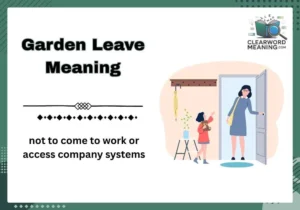
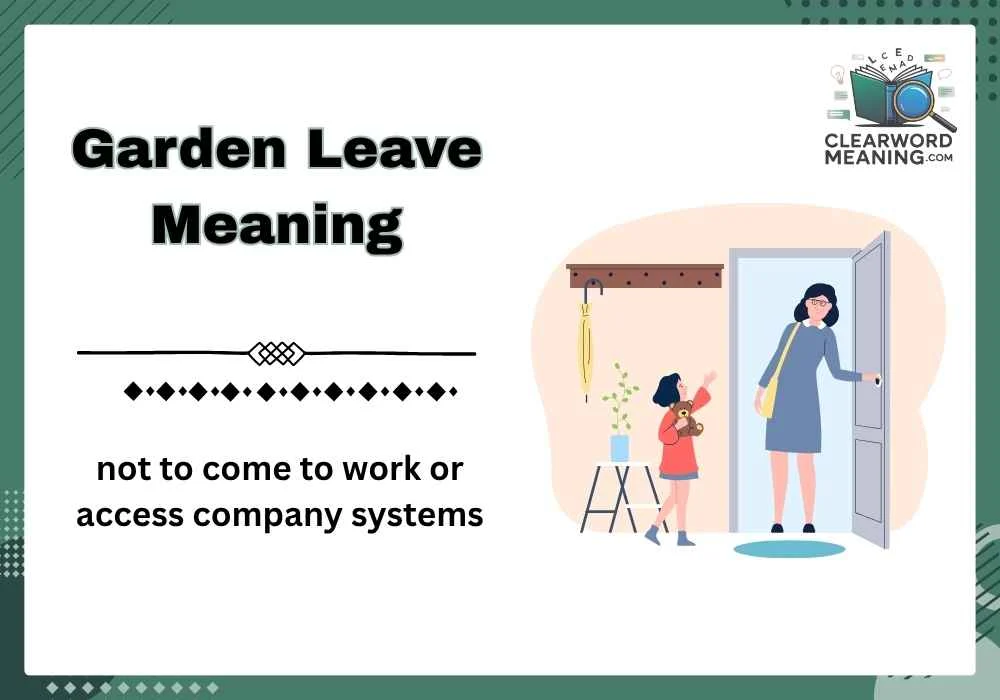
The garden leave meaning is simple: an employee remains officially employed after resigning or being terminated, but they are told not to come to work or access company systems during the notice period.
They still receive:
- Full salary
- Benefits
- Bonuses if contract allows
- Notice period pay
But they cannot:
- Start working for a competitor
- Contact clients
- Access confidential files
- Join internal meetings
The phrase comes from the British idea that the employee is “at home tending the garden” instead of coming to the office.
Why Companies Use Garden Leave
Companies usually use it when someone holds a sensitive role, such as:
- Sales managers
- HR leaders
- Executives
- Developers with source code access
- Employees moving to competitors
This helps protect:
- Client relationships
- Trade secrets
- Internal strategies
- Upcoming product launches
A relatable example:
Imagine Ali resigns from a software company and joins a rival app startup. Instead of letting him continue working for 30 more days, HR says:
“You’ll be on garden leave for your one-month notice.”
That means Ali stays home, gets paid, but can’t work.
How to Use Garden Leave Meaning in Texts or Chat
This term is common in:
- Office Slack chats
- LinkedIn career discussions
- HR forums
- WhatsApp workplace groups
- Resignation conversations
- Reddit job advice threads
Casual Chat Examples
Here’s how people naturally use it:
- “Bro I resigned today, and they put me on garden leave.”
- “She’s not fired, she’s on garden leave till May.”
- “Lucky guy, one month paid garden leave before the new job.”
- “My company uses garden leave for senior managers.”
Social Media Style Use
A modern 2026-style LinkedIn post example:
“Officially wrapping up my role this month and starting garden leave before the next exciting chapter.”
This sounds professional and trendy.
Examples of Garden Leave Meaning in Conversations
Real-life style examples help readers understand faster.
Example 1: Office WhatsApp Chat
Ahmed: Where’s Sara? She didn’t join stand-up.
Zara: She resigned last week.
Ahmed: Oh wow, notice period?
Zara: Nope, straight garden leave.
Example 2: LinkedIn DM
Person 1: When do you start the new role?
Person 2: In 3 weeks. Currently on garden leave.
Example 3: Funny Relatable Scenario
The funniest part about garden leave meaning is that it sounds relaxing, but it’s not always a vacation.
Many people joke:
“I’m on garden leave but I don’t even own a garden.”
That’s why the term feels confusing to younger professionals seeing it for the first time.
Common Mistakes or Misunderstandings
A lot of people misunderstand garden leave meaning, especially outside HR circles.
Mistake: Thinking It Means Fired
Wrong.
Being on garden leave does not automatically mean termination.
It usually means:
- You resigned
- You’re serving notice
- The company wants distance
- Your role is sensitive
Mistake: Assuming It’s Unpaid Leave
Another common myth.
Most of the time, garden leave is fully paid, because the employee is still legally employed.
Mistake: Confusing It with Paid Time Off
It is not the same as:
- Vacation leave
- Annual leave
- PTO
- Sabbatical
The difference is simple:
- PTO = your choice or approved leave
- Garden leave = employer decision during notice
This distinction improves content helpfulness because it matches real search intent and answers the exact confusion users usually have.
Related Slangs or Abbreviations
If readers searched garden leave meaning, they may also enjoy related workplace slang.
Similar Terms
- PIP – Performance Improvement Plan
- PTO – Paid Time Off
- WFH – Work From Home
- OOO – Out Of Office
- Notice Period
- Non-compete
- Exit Freeze
Internal Linking Suggestions
Great related blog ideas for WordPress SEO:
- PTO meaning in text
- OOO meaning in chat
- PIP meaning at work
- Notice period meaning
- WFH slang meaning
These can build topical authority around workplace texting and HR slang.
Where Is Garden Leave Meaning Commonly Used?
The term is especially common in:
Professional Spaces
- HR documentation
- Employment contracts
- Exit emails
- Slack
Informal Digital Conversations
- WhatsApp office groups
- Discord career communities
- Reddit job subs
- Telegram work chats
- Twitter/X workplace memes
In 2026, it’s increasingly used in startup culture where people switch jobs quickly.
Practical Tips: How to Use It Correctly
Use garden leave when talking about a paid notice period away from active work.
Best formula:
resigned + paid + not working + still employed = garden leave
Good Usage
- “I’m on garden leave till the end of April.”
- “My contract includes 60 days garden leave.”
- “Senior staff are often placed on garden leave.”
Wrong Usage
- “I took garden leave for vacation.”
- “I’m sick so I’m on garden leave.”
Those are incorrect.
FAQs:
Is garden leave good or bad?
It depends on perspective. For many employees, it feels great because they get paid time off before a new role. For employers, it protects business interests.
Do you still get paid during garden leave?
Yes, in most cases you continue receiving your salary and contractual benefits.
Can you join another company during garden leave?
Usually no. Since you are still employed, you must wait until the leave period ends unless HR gives written approval.
Is garden leave the same as notice period?
It is part of the notice period, but instead of actively working, you stay away from the workplace.
Why is it called garden leave?
The phrase comes from British workplace language suggesting the employee stays home “in the garden” rather than at the office.
Conclusion
The garden leave meaning is simply a paid notice period where an employee stays away from work while remaining officially employed. It’s most common in HR, corporate resignations, executive exits, and modern startup culture.
The easiest way to remember it is this: you’re still on payroll, but you’re not actively working. That’s why the term often appears in job contracts, LinkedIn updates, and office group chats.
Phrase is becoming more common in global workplace communication, so understanding it can help you sound smarter in professional conversations.

I am the author, Brook, dedicated to creating clear and reliable content that informs and engages readers. With a passion for well-researched and valuable information, I focus on delivering content that is both easy to understand and practical. My goal is to build trust with my audience by providing consistent, accurate, and meaningful material. Whether writing for beginners or experts, I strive to make every piece insightful, engaging, and impactful.