Understanding contemplation meaning has become more important than ever in a fast-paced digital world where people often pause, reflect, and think deeply before reacting.
The contemplation meaning goes beyond simple thinking. It reflects a calm, focused mental state where ideas, emotions, or situations are carefully considered. In modern conversations, captions, and even motivational posts, this word appears frequently to describe moments of self-reflection and inner clarity.
Contemplation connects strongly with personal growth, decision-making, and emotional intelligence, which is why so many people search for its true meaning today.
This guide is Updated for 2026 and written to help you fully understand the word, how it is used, and how you can apply it naturally in daily life, conversations, and online content.
What Does Contemplation Mean?
Definition and Origin
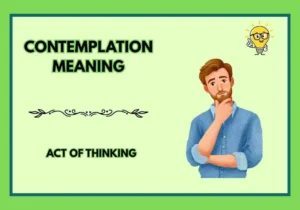
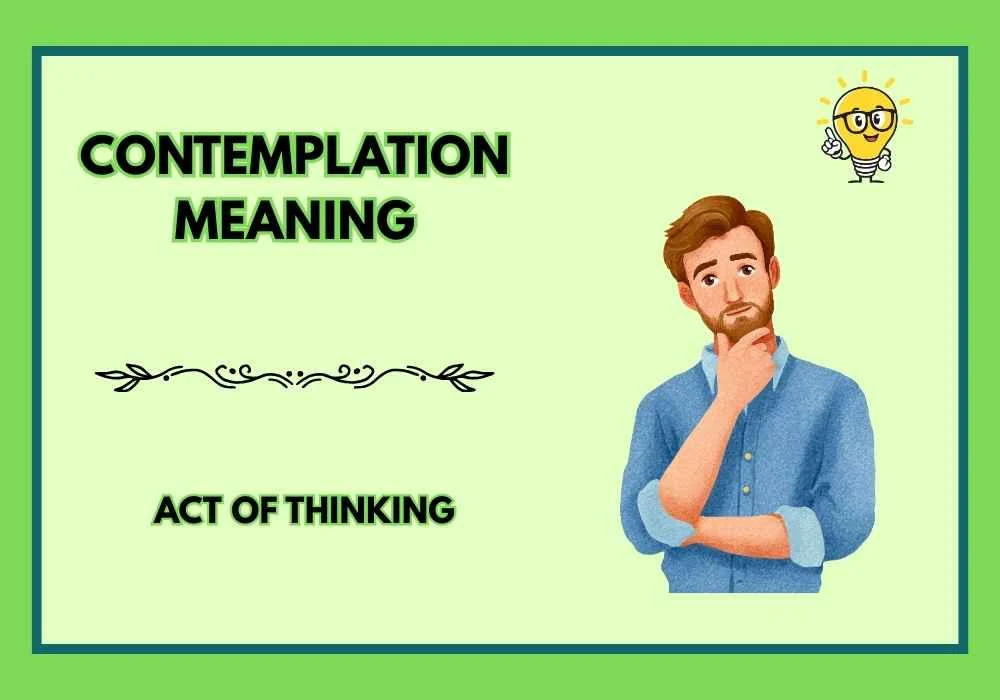
The contemplation meaning refers to the act of thinking deeply, calmly, and seriously about something. It is not rushed thinking. Instead, it is a quiet mental process where a person reflects on ideas, emotions, choices, or life situations with focus and intention.
At its core, contemplation involves
- Deep thought
- Inner reflection
- Mental clarity
- Careful consideration
The word originates from Latin roots connected to observing and reflecting. Over time, its meaning evolved to describe thoughtful awareness rather than casual thinking. Today, it is widely used in psychology, spirituality, philosophy, and everyday language.
Unlike overthinking, contemplation is peaceful. It allows the mind to slow down, understand meaning, and gain insight without stress.
Contemplation Meaning in Simple Words
In simple terms, contemplation means
- Thinking quietly about something important
- Reflecting on your feelings or decisions
- Pausing to understand life more clearly
For example, sitting alone and thinking about a career change without distractions is contemplation. It is intentional and meaningful thinking, not random thoughts.
How Contemplation Is Different From Thinking
Many people confuse thinking and contemplation, but there is a clear difference.
Thinking is often
- Fast
- Reactive
- Unstructured
Contemplation is
- Slow and calm
- Intentional
- Focused on understanding
When you contemplate, you give your full attention to one idea or situation. This helps with better decisions and emotional balance.
How to Use Contemplation in Texts or Chat
Even though contemplation is not slang, it is increasingly used in modern texts, captions, and reflective messages.
You can use contemplation when
- Talking about deep thoughts
- Sharing emotional moments
- Writing motivational or thoughtful posts
- Describing personal growth
Common Chat Usage Examples
- I spent the night in deep contemplation about my future
- That walk really put me in a state of contemplation
- Sometimes silence and contemplation bring the best answers
It is often used in a calm, reflective tone rather than casual humor.
Contemplation Meaning in Modern Online Context
In 2026, contemplation appears frequently in
- Instagram captions
- Self growth blogs
- Mental health discussions
- Journaling and mindfulness content
People often pair it with words like peace, clarity, purpose, and awareness. It signals emotional maturity and thoughtful expression.
Examples of Contemplation in Real Conversations
Casual Conversation
Friend one
You seem quiet today
Friend two
Yeah just in contemplation mode thinking about life
Social Media Caption
Silence coffee and contemplation helped me reset today
Professional Setting
The team entered a period of contemplation before making the final decision
Personal Reflection
During contemplation I realized what truly matters to me
These examples show how flexible and meaningful the word is in daily language.
Funny or Relatable Contemplation Scenarios
- Staring at the fridge at midnight in contemplation deciding if snacks are worth it
- Sitting on the bed in contemplation after reading a deep message
- Long shower contemplation where life problems suddenly make sense
These relatable moments make the word feel human and approachable.
Common Mistakes or Misunderstandings
Many people misuse contemplation by confusing it with negative thinking or confusion.
Mistake One
Using contemplation as stress or worry
Correct use focuses on calm reflection, not anxiety.
Mistake Two
Overusing it in casual jokes
Contemplation fits thoughtful contexts better than playful slang.
Mistake Three
Assuming contemplation means inactivity
In reality, contemplation often leads to powerful action and clarity.
Understanding these differences helps you use the word more accurately.
Psychological and Emotional Side of Contemplation
Psychologically, contemplation helps
- Improve emotional regulation
- Reduce impulsive decisions
- Increase self awareness
- Strengthen mental clarity
Many therapists encourage contemplative practices like journaling or mindful breathing to support emotional well-being.
Contemplation in Spiritual and Personal Growth
In spiritual contexts, contemplation is often linked with
- Inner peace
- Mindfulness
- Awareness
- Purpose
People use contemplation to understand life direction, values, and inner truth. It allows space for personal growth without external pressure.
Related Words and Similar Expressions
If you want alternatives or related expressions, here are some commonly connected words
- Reflection
- Meditation
- Introspection
- Mindfulness
- Deep thinking
Each word has a slightly different tone, but all relate to thoughtful awareness.
How to Practice Contemplation in Daily Life
You do not need special tools to practice contemplation. Simple habits include
- Sitting quietly without distractions
- Writing thoughts in a journal
- Walking alone without music
- Pausing before making decisions
Even five minutes a day can improve clarity and emotional balance.
When Is the Best Time to Use the Word Contemplation
Use contemplation when you want to sound
- Thoughtful
- Calm
- Emotionally aware
- Reflective
It works well in meaningful conversations, writing, or personal expression.
Contemplation Meaning in One Line
Contemplation means calmly thinking deeply about something to gain clarity and understanding.
FAQs:
Is contemplation a positive word
Yes contemplation usually has a positive meaning linked to calm thinking and self awareness.
Can contemplation be used in daily conversation
Yes it fits well in thoughtful or reflective conversations both online and offline.
Is contemplation the same as meditation
No meditation focuses on mental stillness while contemplation focuses on thinking deeply about a subject.
Does contemplation help decision making
Yes contemplation improves decision making by reducing impulsive reactions and increasing clarity.
Is contemplation used in modern language
Yes contemplation is widely used in modern writing captions mental health content and personal growth discussions.
Conclusion
The contemplation meaning goes far beyond simple thinking. It represents a calm and intentional mental state where clarity, insight, and understanding develop naturally. In a noisy digital world, contemplation offers a quiet space for reflection and personal growth.
By understanding how and when to use contemplation, you can express deeper thoughts more effectively in conversations, writing, and online content. Whether for emotional balance or better decisions, contemplation remains a powerful and relevant concept Updated for 2026.

I am the author, Mitchell, passionate about creating engaging and reliable content that adds real value to readers. With a focus on clarity, accuracy, and insight, I aim to make complex topics easy to understand. I believe in delivering well-researched, practical information that builds trust and helps my audience make informed decisions. Every piece I write is crafted to be informative, meaningful, and impactful, reflecting my commitment to quality and consistency.