Attrition rate meaning is one of those terms you often see in business reports, HR discussions, and workplace chats but many people still feel confused about it. If you have ever wondered what attrition rate meaning actually is and why companies talk about it so much, you are in the right place.
In this guide, we will break down attrition rate meaning in the simplest way possible, using real life examples, easy language, and practical insights. This article is Updated for 2026 and written to help students, job seekers, managers, and curious readers truly understand the term without jargon.
You will know how to use it correctly in conversations, emails, and professional discussions with confidence.
What Does Attrition Rate Mean
Definition and Origin
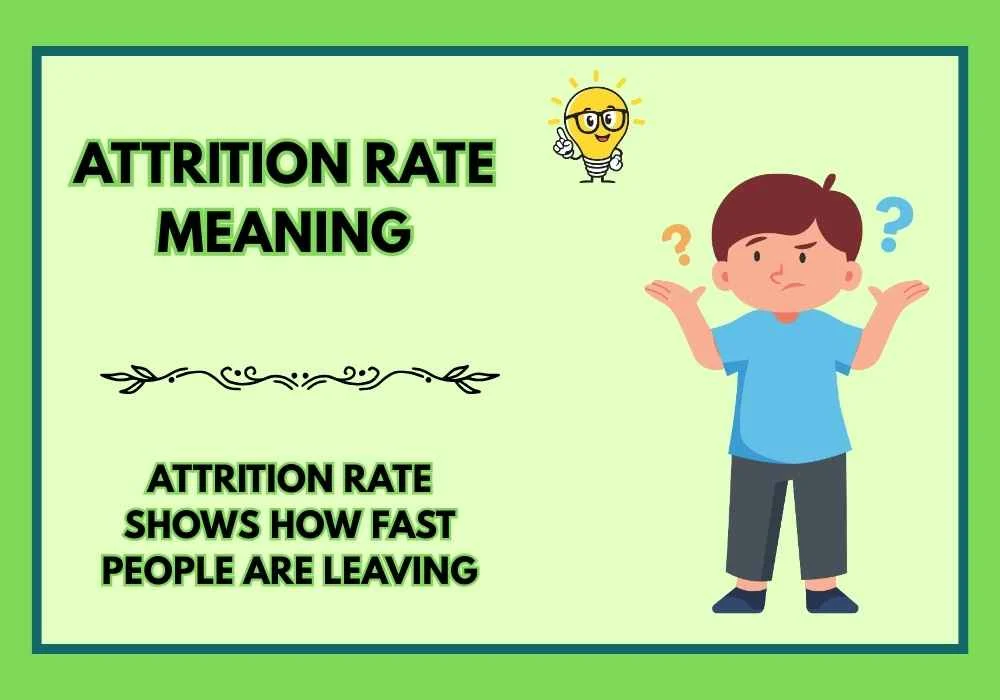
The attrition rate meaning refers to the percentage of people who leave an organization, company, or system over a specific period of time and are not immediately replaced. In most cases, it is used in workplaces to describe how many employees leave voluntarily or naturally.
In simple words
- Attrition rate shows how fast people are leaving
- It focuses on natural exits like resignations or retirements
- It does not always include layoffs or firings
The word attrition comes from a Latin term meaning wearing away. Over time, it became popular in business and human resources to explain gradual employee loss.
Today, attrition rate meaning is commonly discussed in
- Corporate offices
- HR meetings
- Business news
- Professional chats and emails
Why Attrition Rate Is Important in Modern Workplaces
Understanding attrition rate meaning is crucial because it tells a story about a company’s health. A high attrition rate may signal problems, while a low rate often shows stability.
Key reasons it matters
- Helps companies understand employee satisfaction
- Shows whether workplace culture is healthy
- Impacts productivity and costs
- Affects employer branding
For example, if a company keeps losing skilled employees, it spends more money on hiring and training new ones. That is why HR teams closely track attrition numbers.
How to Calculate Attrition Rate Easily
Even if you are not from a business background, knowing the basic idea helps you understand reports and discussions.
Basic explanation
- Count how many employees left during a period
- Divide by average number of employees
- Multiply by 100 to get a percentage
Example
If 10 employees leave a company of 100 people in one year, the attrition rate is 10 percent.
This simple calculation explains attrition rate meaning in practical terms.
How to Use Attrition Rate in Texts or Chat
Although it sounds formal, the term is widely used in casual professional chats, emails, and even WhatsApp office groups.
Common chat usage examples
- Our team attrition rate is higher this quarter
- Management is worried about the attrition rate
- Low attrition rate shows good company culture
You may see it used in
- Office Slack messages
- LinkedIn posts
- HR emails
- Business forums
In texting, people often shorten explanations but still keep the term professional.
Examples of Attrition Rate in Real Conversations
Here are some realistic and relatable examples that show attrition rate meaning clearly.
Office conversation
Manager says Our attrition rate has increased so we need to focus on employee engagement
HR discussion
The HR lead says A low attrition rate means employees are happy and staying longer
Job interview
Candidate asks How do you manage attrition rate in your organization
Business news
The article says The company reduced its attrition rate by improving work life balance
These examples show how naturally the term fits into modern conversations.
Attrition Rate vs Turnover Rate
Common Confusion Explained
Many people confuse attrition rate with turnover rate, but they are not exactly the same.
Main differences
- Attrition rate focuses on natural employee exits
- Turnover rate includes resignations and replacements
- Attrition often means positions are not refilled immediately
Understanding this difference improves your clarity when using attrition rate meaning in discussions.
Common Mistakes or Misunderstandings
People often misuse the term, especially beginners.
Common mistakes include
- Thinking attrition rate only means firing
- Using it interchangeably with layoffs
- Assuming high attrition is always bad
In reality
- Attrition can be healthy in some cases
- Retirement based attrition is natural
- Some industries expect higher attrition
Knowing these points helps you use the term more accurately.
Attrition Rate in Different Contexts
The attrition rate meaning changes slightly depending on where it is used.
Human Resources
It measures employee exits and helps plan retention strategies.
Education
It shows how many students drop out over time.
Healthcare
It refers to loss of staff or patients from a program.
Business Strategy
It helps leaders predict workforce needs.
Despite different contexts, the core idea remains the same.
Related Slangs or Business Abbreviations
While attrition rate itself is formal, it often appears alongside other business terms.
Related terms you may see
- Employee retention
- Workforce stability
- Churn rate
- Staff turnover
- Exit rate
Learning these related phrases helps you understand workplace conversations better.
How to Use Attrition Rate Correctly
Practical Tips
If you want to sound confident and professional, follow these tips.
Do
- Use it in business or academic contexts
- Pair it with clear explanations
- Mention time periods for clarity
Avoid
- Using it in casual non professional chats
- Mixing it with unrelated terms
- Overusing it without explanation
Correct usage builds credibility and clarity.
Attrition Rate Trends and Relevance
Updated for 2026
In 2026, attrition rate meaning has become even more important due to
- Remote work culture
- Freelance and gig economy growth
- Employee mental health awareness
Companies now focus on reducing unwanted attrition by offering flexibility, growth, and better work life balance. Online discussions and LinkedIn posts frequently mention attrition trends, making the term highly relevant today.
FAQs:
Is attrition rate good or bad
Attrition rate can be good or bad depending on the situation. Natural exits like retirement are normal, but high resignations may indicate issues.
What is a healthy attrition rate
A healthy attrition rate varies by industry, but generally a lower rate shows stability and employee satisfaction.
Is attrition rate the same as layoffs
No, attrition rate usually refers to voluntary or natural exits, not forced layoffs.
Why do companies track attrition rate
Companies track it to understand employee happiness, control costs, and improve retention strategies.
Can attrition rate be reduced
Yes, better management, growth opportunities, and positive culture can reduce attrition rate.
Conclusion
Now that you understand attrition rate meaning, you can confidently read reports, join workplace discussions, or even ask smarter questions in interviews. We explored its definition, usage, real life examples, common mistakes, and why it matters in today’s work culture.
As workplaces continue to evolve in 2026, knowing terms like attrition rate helps you stay informed and professional. Whether you are a student, employee, or manager, this knowledge adds value to your communication skills.

I am the author, Mitchell, passionate about creating engaging and reliable content that adds real value to readers. With a focus on clarity, accuracy, and insight, I aim to make complex topics easy to understand. I believe in delivering well-researched, practical information that builds trust and helps my audience make informed decisions. Every piece I write is crafted to be informative, meaningful, and impactful, reflecting my commitment to quality and consistency.