In the world of texts, chats, and online conversations, abbreviations and references are everywherebut sometimes, they carry meanings beyond casual chatting.
One term you might have come across is “Article 15”. Whether it popped up in a meme, a social media post, or a conversation about law, understanding what Article 15 means is essential for anyone who wants to stay informed and sound smart online.
Updated for 2026, this guide will break down everything you need to know in a simple, fun, and relatable way.
What Does “Article 15” Mean? (Definition & Origin)
At its core, Article 15 has two main contexts: legal and cultural.
Legal Definition
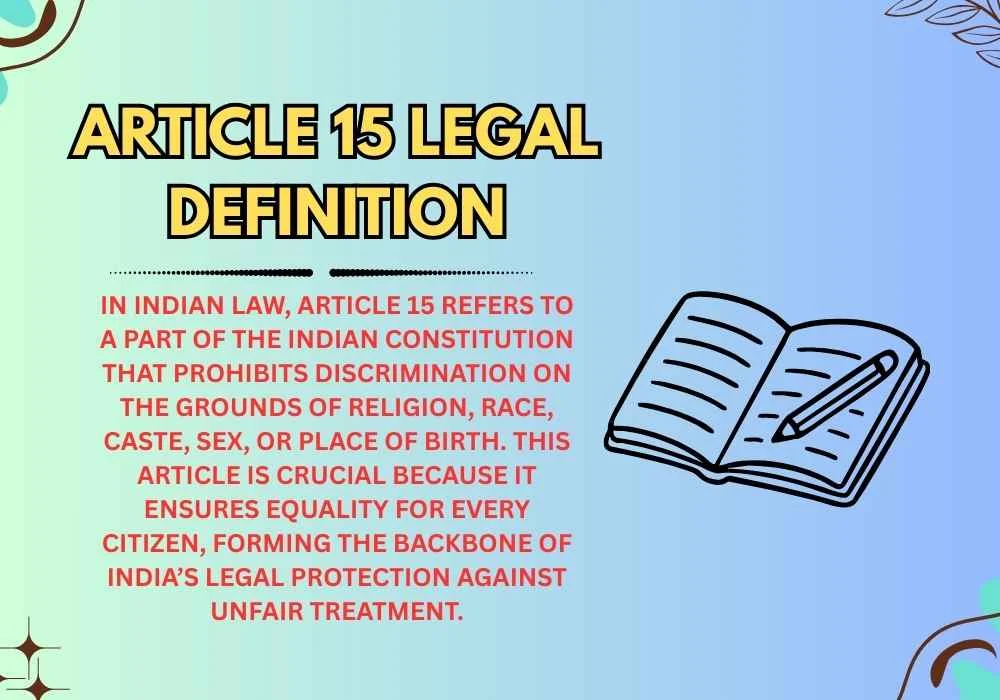
In Indian law, Article 15 refers to a part of the Indian Constitution that prohibits discrimination on the grounds of religion, race, caste, sex, or place of birth. This article is crucial because it ensures equality for every citizen, forming the backbone of India’s legal protection against unfair treatment.
Key points about Article 15 in law:
- Protects citizens from discrimination in education, employment, and public services.
- Is a foundation for various affirmative action policies.
- Helps maintain social equality and justice.
Cultural & Pop-Culture Reference
Thanks to the 2022 Bollywood movie “Article 15”, the term has entered casual conversations and online memes. The film highlights corruption, caste-based injustice, and social inequality in India, making the term a shorthand for serious social issues in casual chats.
So now, when someone says “Article 15” in a text or chat, they might be referring to either the law itself or the movie themes, depending on context.
How to Use “Article 15” in Texts or Chat
Using Article 15 correctly depends on whether your conversation is formal, casual, or humorous. Here’s a quick guide:
In Educational or Professional Chats
- “Our class discussion today was about Article 15 and its role in promoting equality.”
- “Companies must follow Article 15 to ensure no discrimination in hiring.”
In Social Media or Meme Context
- “That’s literally an Article 15 situation 😅” (used humorously for unfair treatment)
- “Watching the Article 15 movie made me rethink social justice.”
Tips for Text Usage
- Always consider your audience: legal context requires seriousness, while memes allow playful exaggeration.
- Use bold or italic in professional posts to emphasize the term.
Examples of “Article 15” in Conversations
Seeing examples makes it easier to grasp the usage. Here are a few scenarios:
Casual Chat:
- Friend 1: “Ugh, my boss gave me extra work again!”
- Friend 2: “Wow… total Article 15 moment 😆”
Professional Email:
- “In compliance with Article 15 of the Constitution, our recruitment policy ensures non-discrimination.”
Social Media Post:
- “Movie night! Finally watched Article 15, eye-opening stuff.”
Forum Discussion:
- User: “Does anyone know the exact clauses in Article 15 about caste-based discrimination?”
- Reply: “Yes, it’s all in the Indian Constitution, Section 1–2!”
Common Mistakes or Misunderstandings
Many people get confused about Article 15 because it pops up in legal, pop-culture, and casual contexts. Here’s what to watch out for:
- Mistake: Using Article 15 casually without context.
Tip: Ensure your audience understands whether you mean law or movie. - Mistake: Confusing Article 15 with other legal articles (like Article 14 or 16).
Tip: Remember, Article 15 = no discrimination. - Mistake: Overusing it as a meme in serious conversations.
Tip: Reserve playful use for friends or social media, not official communication.
Related Slangs or Abbreviations
If you’re into online slang, here are related abbreviations and references that pop up in chats along with Article 15:
- IRL – In Real Life, often used when discussing real-world injustice.
- SMH – Shaking My Head, used to express disappointment at unfairness.
- BTW – By The Way, commonly used to introduce references like Article 15.
- ICYMI – In Case You Missed It, often used to share clips or memes of the movie.
- TL;DR – Too Long; Didn’t Read, perfect for summarizing legal clauses or movie plots.
These make your chat flow smoother while keeping your references trendy.
FAQs:
What is the main purpose of Article 15 in India?
It ensures equality by prohibiting discrimination based on religion, caste, sex, or place of birth.
Can Article 15 be applied in everyday situations?
Yes, it applies in employment, education, and public services, and is often referenced in social discussions.
Is “Article 15” only about the movie now?
No, it still refers to the legal provision, but the movie made it a popular cultural reference.
How can I use Article 15 in a chat correctly?
Mention it in contextual conversations: serious discussions about law or memes about unfair situations.
Are there other articles similar to Article 15?
Yes, Article 14 deals with equality before law, and Article 16 covers equality of opportunity in public employment.
Conclusion
Article 15 is more than just a legal term it’s a cultural touchpoint that blends serious law, pop culture, and online slang. Knowing its meaning can help you navigate texts, chats, and social media conversations with confidence.
By understanding the legal background, movie reference, and meme usage, you can avoid common mistakes and use it appropriately in both formal and casual settings

I am the author, Mitchell, passionate about creating engaging and reliable content that adds real value to readers. With a focus on clarity, accuracy, and insight, I aim to make complex topics easy to understand. I believe in delivering well-researched, practical information that builds trust and helps my audience make informed decisions. Every piece I write is crafted to be informative, meaningful, and impactful, reflecting my commitment to quality and consistency.