Looking for the real widow meaning online? The term widow meaning is simple at its core, but its emotional depth, online usage, and modern context make it worth understanding fully.
In everyday language, a widow is a woman whose spouse or life partner has passed away. In texting, social conversations, forums, and even meme culture, the word can also appear in figurative ways like gaming widow or football widow.
Explains everything in clear, human language with relatable examples, common mistakes, and smart usage tips so you never misunderstand the term again. If you’ve seen it in messages, captions, or discussions and felt confused, this article will make it easy.
What Does Widow Meaning Mean? Definition and Origin
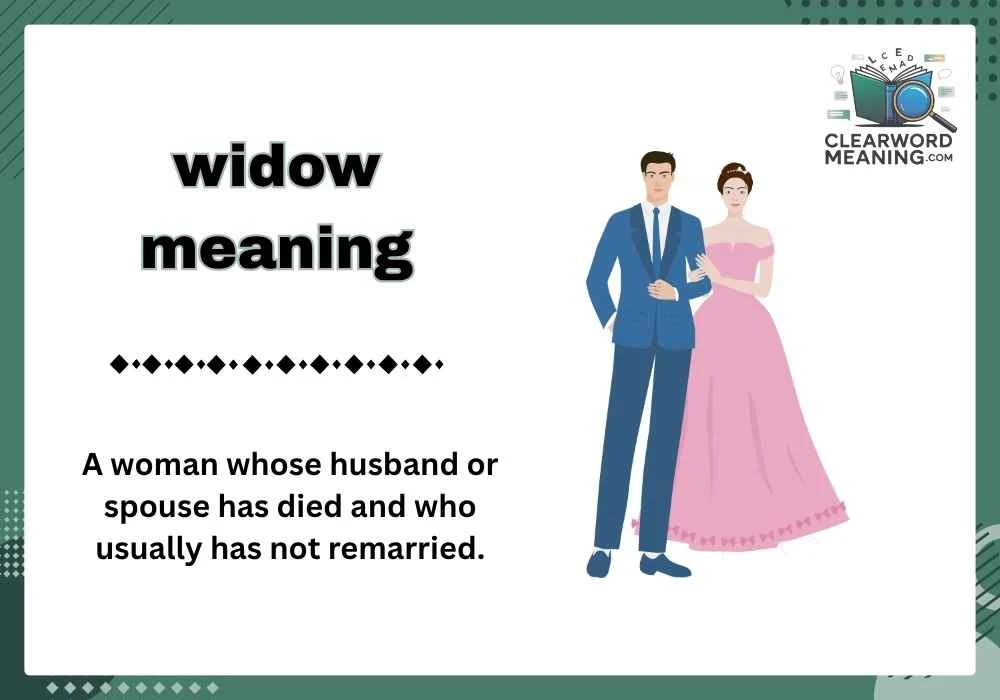
The primary widow meaning is:
A woman whose husband or spouse has died and who usually has not remarried.
This is the standard dictionary meaning and the one most people intend in normal conversation.
Simple Definition
If someone says:
- “She became a widow at 40”
- “The widow still lives in the old family house”
They mean a woman whose partner has passed away.
Origin of the Word
The word comes from very old English and roots linked to the idea of separation and loss. That emotional background is why the term carries a strong human feeling, not just a literal meaning.
Modern Extended Uses
Online, the term can also be used humorously:
- Golf widow = spouse ignored because partner plays too much golf
- Gaming widow = someone jokingly “left alone” because their partner games all day
- Football widow = ignored during match season
These are playful figurative uses, not literal grief-related meanings.
How to Use Widow Meaning in Texts or Chat
In digital communication, the term depends heavily on context.
Literal Text Use
Example:
- “My aunt became a widow last year.”
This is serious, respectful, and factual.
Emotional Support Use
People may use it in support groups, Reddit threads, or grief communities:
- “I’m a widow learning how to move on.”
- “Being a widow changed everything.”
This use is deeply personal and should be treated respectfully.
Humorous or Relatable Internet Use
Modern online culture also uses it casually:
- “I’m basically a Netflix widow during cricket season 😂”
- “She’s a gaming widow every weekend.”
This means someone feels ignored because their partner is obsessed with a hobby.
Best Places You’ll See It
- Text messages
- Facebook posts
- Reddit grief communities
- Relationship memes
- Lifestyle blogs
- Gaming forums
- Sports jokes
Examples of Widow Meaning in Conversations
Here are some natural examples readers can instantly relate to.
Serious Conversation Example
Friend: My neighbor lost her husband last month.
You: That’s heartbreaking. She’s a widow now, right?
Supportive Text Example
Text: “She’s a widow and still adjusting to life alone.”
Funny Relationship Example
Partner: Football season started.
Reply: Great, I’m a football widow again 😭
Gaming Example
Friend: Where’s Sarah?
Reply: Probably home being a gaming widow while her husband plays all night.
These real-life examples help users understand both literal and modern internet uses.
Common Mistakes or Misunderstandings
A lot of people misuse this term online.
Confusing Widow with Widower
Important distinction:
- Widow = woman whose spouse died
- Widower = man whose spouse died
This is one of the most common mistakes.
Using It Casually in Sensitive Situations
Avoid jokes if someone is discussing actual grief.
Bad example:
- “Lol she’s a widow now”
Good example:
- “I’m sorry for her loss.”
Tone matters a lot.
Assuming Only Married Women Use It
In modern online communities, some people who lost fiancés or long-term partners also use widow for emotional identity and support.
That’s why context and empathy matter more in 2026 internet conversations.
Related Slangs or Abbreviations
Here are closely related terms readers may also search.
Widower
Male version of widow.
Orphan
A child who lost parents.
Black Widow
Can refer to:
- the spider
- a fictional assassin character
- a manipulative spouse in figurative slang
- rare niche slang references (Lingvanex)
WW
Some slang databases also use WIDOW = same as WW, though this is much less common in mainstream texting. (Internet Slang)
Social Slang Variants
- gaming widow
- golf widow
- football widow
- work widow
These are trendy in social media jokes.
When Should You Use Widow Correctly?
Here’s the safest way to use it.
Use widow when:
- referring respectfully to loss
- discussing family relationships
- talking about grief
- reading emotional Reddit or forum stories
- using humorous hobby-based expressions with obvious context
Quick Usage Rule
Ask yourself:
Is this real loss or playful exaggeration?
That single question prevents awkward mistakes.
SEO Friendly Internal Linking Suggestions
For WordPress internal linking, connect this article to:
- Widower meaning
- Black widow meaning
- WW meaning in text
- Grief quotes for social captions
- Relationship slang words 2026
- What does W mean in text
This helps improve topical authority and keeps users engaged longer.
FAQs:
Does widow only mean a married woman?
Traditionally yes, but in modern online conversations some people also use it for the loss of a long-term life partner or fiancé. Context decides the meaning.
Can widow be used jokingly?
Yes, phrases like gaming widow or football widow are common online jokes that describe feeling ignored by a hobby.
What is the male word for widow?
The male equivalent is widower.
Is widow used in texting slang?
Yes, especially in figurative relationship jokes, meme captions, and hobby-related conversations.
Is widow a respectful word?
Yes, it is respectful when used in its literal meaning. Just avoid using it casually around real grief unless the tone is appropriate.
Conclusion
The widow meaning is straightforward on the surface, but modern internet language gives it both literal emotional weight and playful social-media uses. Most often, it refers to a woman who has lost her spouse, but online you may also see fun variations like gaming widow or sports widow.
The key to using it correctly is context, tone, and empathy. In serious conversations, it deserves respect. In casual meme culture, it can be funny and relatable.

I am the author, Brook, dedicated to creating clear and reliable content that informs and engages readers. With a passion for well-researched and valuable information, I focus on delivering content that is both easy to understand and practical. My goal is to build trust with my audience by providing consistent, accurate, and meaningful material. Whether writing for beginners or experts, I strive to make every piece insightful, engaging, and impactful.