Have you ever been chatting with someone online and they called a person a “miser”, leaving you confused about what it really means?
In the world of texting, social media, and even everyday conversation, understanding words like this is more important than ever.
Whether you’re texting your friends, posting on forums, or just trying to decode a conversation, knowing the miser meaning can save you from awkward misunderstandings. Let’s dive in!
What Does “Miser” Mean? (Definition & Origin)
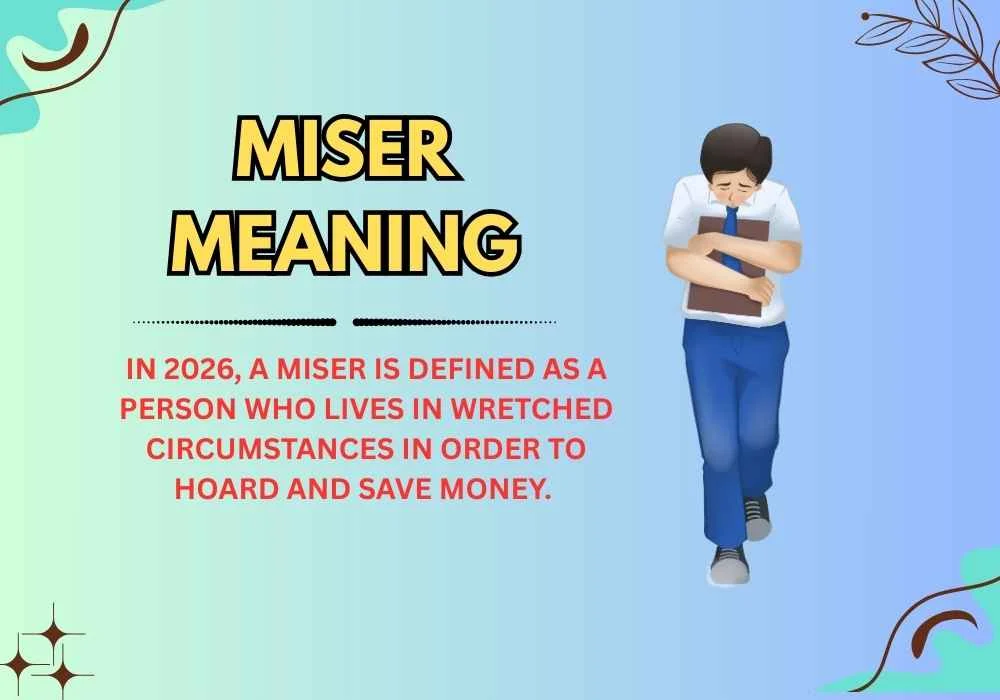
At its core, a miser is a person who is extremely reluctant to spend money, even if they can afford to. Think of someone who hoards their money, saves every penny, and avoids any unnecessary expenses.
- Origin: The word “miser” comes from the Latin word miser, meaning “wretched” or “unhappy,” which reflects the stereotype that people who obsess over money often miss out on life’s pleasures.
- Modern Usage: Today, it’s not just about money. People sometimes use “miser” jokingly to describe someone who avoids sharing resources, favors, or even snacks!
Example in a sentence:
- “John didn’t even buy a coffee for himself—he’s such a miser.”
- “She’s a bit of a miser, but she’s really smart about saving money.”
How to Use “Miser” in Texts or Chat
Using “miser” in your messages can be both fun and clear if you know the right context. Here’s how:
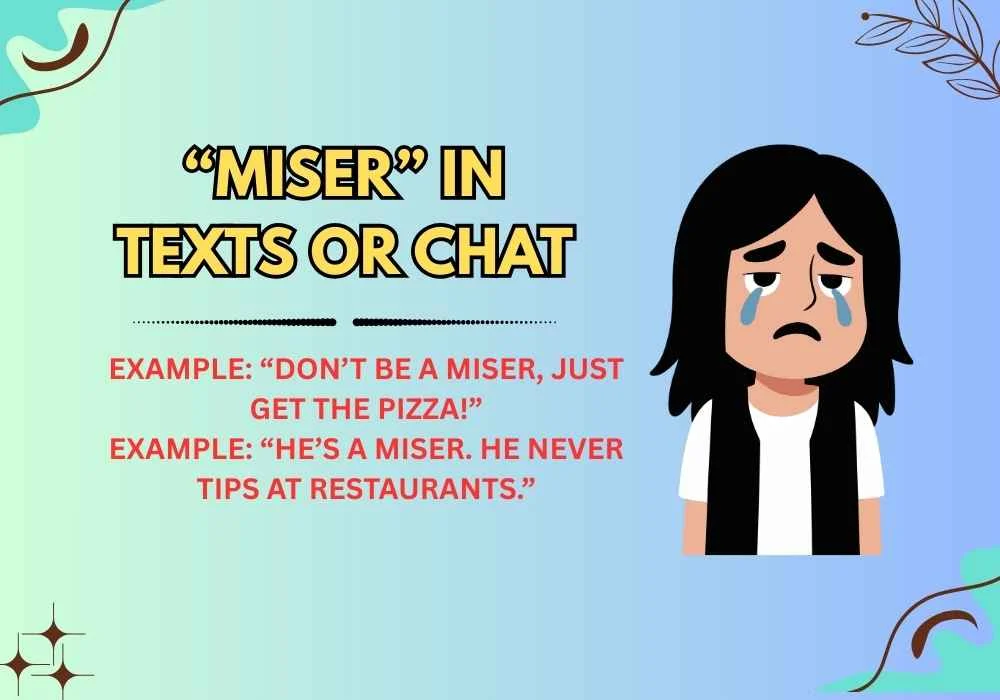
- Friendly Teasing: Use it with friends when they’re being cheap in a playful way.
- Example: “Don’t be a miser, just get the pizza!”
- Serious Context: Highlight someone’s frugality when necessary.
- Online Forums & Social Media: Often used to comment on spending habits, lifestyle choices, or even celebrity behavior.
Pro Tip: Pair it with emojis to make the tone clear 😅💰
Examples of “Miser” in Conversations
Here are some realistic ways “miser” pops up in everyday texting or online chats:
- Friend Group Chat:
- A: “Who’s paying for dinner tonight?”
- B: “Not me! I’m not a miser, but I also can’t spend too much 😂”
- Social Media Comment:
- “This celebrity is such a miser. Spends millions on houses but refuses to tip staff!”
- Funny Text Scenario:
- “You shared your fries with everyone but kept the last bite? Typical miser behavior 🍟”
These examples show that “miser” can be playful, critical, or just observational, depending on context.
Common Mistakes or Misunderstandings
Many people misinterpret “miser” in online chats. Here’s what to avoid:
- Mistake 1: Thinking it’s just slang for cheap
- While it’s similar, a miser is extreme—they don’t just save money; they hoard it excessively.
- Mistake 2: Using it offensively with strangers
- Calling someone a miser can be playful among friends, but online strangers might take offense.
- Mistake 3: Confusing with other money-related terms
- Stingy, cheap, and frugal are related but have subtle differences:
- Frugal = smart with money
- Cheap = unwilling to spend
- Miser = obsessive about money
- Stingy, cheap, and frugal are related but have subtle differences:
Related Slangs or Abbreviations
If you’re exploring texting culture, here are some related terms you might find useful:
- Frugal AF – Being extremely careful with money (more casual/slangy)
- Cheapskate – Similar to miser, often jokingly used
- Money-hoarder – A literal description that works online
- Penny-pincher – Another playful way to describe someone careful with cash
Tip: Using these related words in chats can make your messages sound more relatable and modern.
Practical Tips for Using “Miser” Correctly

- Always consider tone—playful vs. serious.
- Use it when the context clearly involves money or resources.
- Combine with examples for clarity:
- “He didn’t even pay for parking. Such a miser!”
- Use sparingly in professional chats—it’s mostly casual/fun language.
FAQs:
1. Is “miser” a negative word?
Yes and no. It can be playful or critical depending on tone and context.
2. Can “miser” be used for non-money situations?
Absolutely! People sometimes use it to describe stinginess with time, food, or favors.
3. Is it common in modern texting?
Yes, especially among Gen Z and Millennials, often mixed with emojis for tone.
4. What’s the difference between a miser and a cheapskate?
A cheapskate avoids spending but isn’t as extreme as a miser, who often hoards money obsessively.
5. Can I use “miser” on social media?
Definitely! It’s commonly used in posts, comments, and memes about spending habits.
Conclusion
Understanding the miser meaning can make your texting, chatting, and social media interactions much smoother. From playful teasing to serious commentary, knowing when and how to use it keeps your messages clear and relatable. Remember, a miser isn’t just “cheap”—they’re someone who takes frugality to the next level!
Updated for 2026, this guide ensures you stay on top of modern slang and texting culture. Start using it wisely, and you might even spot some misers in your friend group 😅💰.
Share your favorite text abbreviation in the comments and see how many friends get it!

I am the author, Mitchell, passionate about creating engaging and reliable content that adds real value to readers. With a focus on clarity, accuracy, and insight, I aim to make complex topics easy to understand. I believe in delivering well-researched, practical information that builds trust and helps my audience make informed decisions. Every piece I write is crafted to be informative, meaningful, and impactful, reflecting my commitment to quality and consistency.