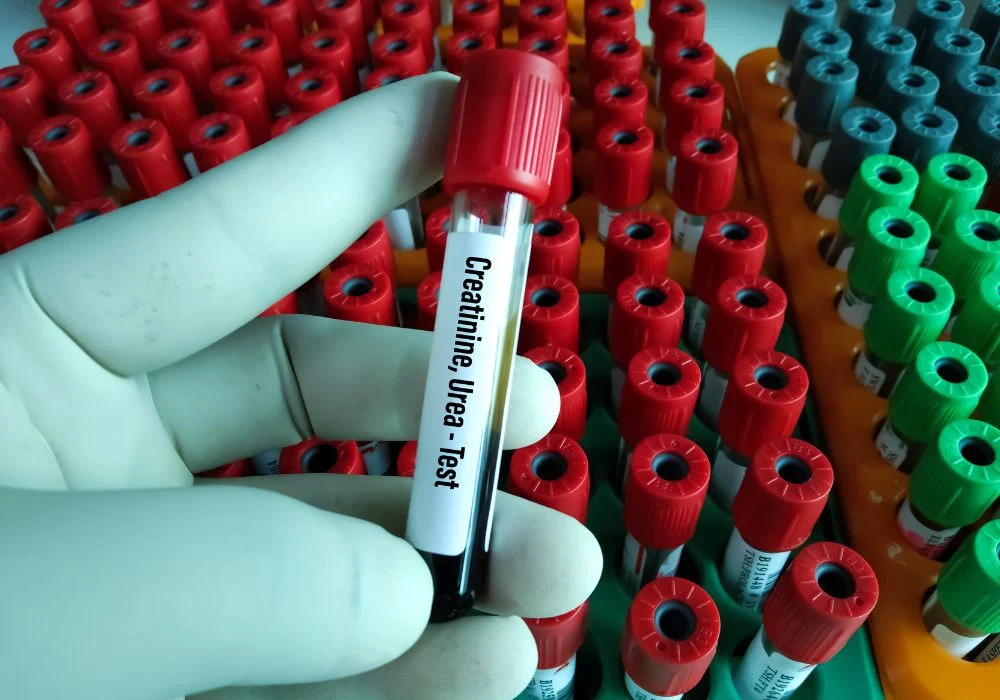
Are you wondering about the creatinine meaning and why it matters for your health? Understanding creatinine meaning is essential because it’s not just a medical term it’s a key indicator of kidney function and overall wellness.
In this guide, we’ll break down everything you need to know about creatinine in a simple, easy-to-understand way.
From its definition and origin to how it’s measured in tests, we’ll give real-life examples, common mistakes, and practical tips so you can confidently understand and discuss this important term.
What Does “Creatinine” Mean?
Creatinine is a chemical waste product produced naturally by your muscles during normal metabolism. When your body uses energy, it converts a compound called creatine into creatinine, which then enters the bloodstream and is eventually filtered out by the kidneys.
- Origin: The term comes from “creatine,” which is derived from the Greek word “kreas,” meaning meat. This makes sense because creatine is commonly found in meat and fish.
- Why it matters: Measuring creatinine levels helps doctors assess kidney function and detect potential problems early.
Key takeaway: High or low creatinine levels may indicate underlying health issues, making understanding the creatinine meaning crucial for anyone tracking their wellness.
Creatinine Normal Range
The creatinine normal range refers to the healthy amount of creatinine found in your blood. Creatinine is a waste product made by your muscles and removed by the kidneys. Doctors use this test to check how well your kidneys are working.
In most adults, normal creatinine levels are usually:
- Men: 0.7 to 1.3 mg/dL
- Women: 0.6 to 1.1 mg/dL
However, the normal range can vary slightly depending on age, muscle mass, hydration, and the laboratory used for testing. Keeping creatinine within the normal range is a sign that your kidneys are filtering waste properly.
When to Worry About Creatinine Levels
You should worry about creatinine levels when they become too high or suddenly change from your usual range. High creatinine may suggest kidney problems, dehydration, infections, or side effects from certain medicines.
Warning signs that may come with abnormal creatinine levels include:
- Swelling in the legs or feet
- Fatigue or weakness
- Shortness of breath
- Changes in urination
- Nausea or confusion
A small increase is not always dangerous, but consistently high levels should be checked by a doctor. Early detection can help prevent serious kidney damage.
Creatinine Meaning in Blood Test
In a blood test, creatinine measures how effectively your kidneys remove waste from the bloodstream. Since creatinine is produced naturally by muscles every day, healthy kidneys normally filter it out through urine.
Doctors often order a creatinine blood test to:
- Check kidney function
- Monitor kidney disease
- Evaluate dehydration
- Track the effects of medications
Higher or lower results can help doctors understand whether your kidneys are functioning normally or if further testing is needed.
Creatinine High Meaning
High creatinine levels usually mean the kidneys are not filtering waste properly. This condition can happen temporarily due to dehydration or intense exercise, but it may also point to kidney disease or other health conditions.
Common causes of high creatinine include:
- Kidney infections
- High blood pressure
- Diabetes
- Dehydration
- Certain medications
- Blocked urinary tract
Treatment depends on the underlying cause. In many cases, improving hydration and managing health conditions can help reduce creatinine levels naturally.
Normal Creatinine Levels by Age
Normal creatinine levels by age can vary because muscle mass changes over time. Children generally have lower creatinine levels than adults, while older adults may also show slightly lower levels due to reduced muscle mass.
Typical ranges include:
- Newborns: 0.3 to 1.0 mg/dL
- Children: 0.3 to 0.7 mg/dL
- Adult women: 0.6 to 1.1 mg/dL
- Adult men: 0.7 to 1.3 mg/dL
Doctors compare creatinine results with age, gender, and overall health to determine whether the level is normal.
Low Creatinine
Low creatinine levels are less common and are usually linked to low muscle mass, poor nutrition, pregnancy, or certain medical conditions. In many cases, low creatinine is not serious.
Possible causes of low creatinine include:
- Muscle loss
- Aging
- Liver disease
- Malnutrition
- Pregnancy
If low creatinine is combined with other unusual symptoms, doctors may recommend additional tests to identify the exact cause.
Creatinine Function
The main function of creatinine is to act as a marker for kidney health. Creatinine itself is a waste product created when muscles use energy. Healthy kidneys filter creatinine from the blood and remove it through urine.
Because creatinine levels stay fairly stable in healthy people, doctors use this measurement to evaluate how well the kidneys are working. Abnormal creatinine levels can help detect kidney disease early and guide treatment decisions.
How to Use “Creatinine” in Health Contexts
In conversations with doctors, on health forums, or even when reading medical reports, knowing how to use “creatinine” correctly can prevent confusion.
- Example phrases:
- “My blood test showed elevated creatinine levels.”
- “Monitoring creatinine is important if you have kidney disease.”
- Context: Usually discussed in healthcare settings, lab reports, or wellness discussions online.
Pro tip: Don’t confuse creatinine with creatine supplements—they’re related but serve different purposes. Creatine boosts muscle energy, while creatinine is a waste product.
Examples of “Creatinine” in Conversations

Here are some real-life scenarios to help you understand how people talk about creatinine:
- Texting a friend: “Hey, my doc said my creatinine is slightly high. Gotta drink more water.”
- Online forum post: “I’m trying to lower my creatinine naturally. Anyone has tips?”
- Doctor consultation: “Your creatinine levels are normal, but let’s recheck in 6 months.”
These examples show that understanding the creatinine meaning makes it easier to follow conversations and advice related to health.
Common Mistakes or Misunderstandings
Many people mix up creatinine with other medical terms or misinterpret their levels. Here are some pitfalls to avoid:
- Mistaking creatinine for creatine supplements – They are related but not the same.
- Ignoring units of measurement – Creatinine is measured in mg/dL or µmol/L. Misreading the unit can cause unnecessary panic.
- Overreacting to minor changes – Slight fluctuations are normal, especially after exercise or high-protein meals.
Pro tip: Always consult a healthcare professional before drawing conclusions from your test results.
Related Slangs or Abbreviations
While “creatinine” isn’t a texting slang, it’s often abbreviated in medical contexts:
- Cr: Common shorthand in lab reports.
- eGFR: Estimated Glomerular Filtration Rate, often discussed alongside creatinine.
- BUN: Blood Urea Nitrogen, another kidney function marker linked to creatinine.
Knowing these abbreviations helps you understand medical texts, online forums, and lab reports more easily.
Practical Tips for Understanding Creatinine

- Track trends, not single readings: One test isn’t enough; trends matter.
- Stay hydrated: Dehydration can temporarily elevate creatinine.
- Balanced diet: Avoid excessive protein if your doctor advises it.
- Consult your doctor regularly: Especially if you have kidney conditions or take medications that affect kidney function.
FAQs:
What is considered a normal creatinine level?
Normal levels vary by age, sex, and muscle mass. Typically, adult men: 0.6–1.2 mg/dL, adult women: 0.5–1.1 mg/dL.
Can exercise affect creatinine levels?
Yes! Intense workouts can temporarily increase creatinine because muscles release more during activity.
Is creatinine only related to kidney health?
Primarily, yes, but it also reflects muscle metabolism and overall body health.
How often should creatinine be tested?
It depends on your health status. People with kidney issues may test monthly, while healthy adults may only check during routine health exams.
Can diet influence creatinine levels?
Yes. High protein intake or dehydration can raise levels, while a balanced diet helps maintain normal ranges.
Conclusion
Understanding the creatinine meaning is essential for anyone interested in health, lab results, or kidney wellness. From knowing its origin to using it in conversations or interpreting lab reports, this guide gives practical insights for everyday use.
Monitoring creatinine trends, staying hydrated, and consulting your doctor regularly are key steps to maintaining healthy kidney function.

I am the author, Mitchell, passionate about creating engaging and reliable content that adds real value to readers. With a focus on clarity, accuracy, and insight, I aim to make complex topics easy to understand. I believe in delivering well-researched, practical information that builds trust and helps my audience make informed decisions. Every piece I write is crafted to be informative, meaningful, and impactful, reflecting my commitment to quality and consistency.