Ever wondered about the exact applicable meaning of words you see in texts or online chats? Understanding the applicable meaning of abbreviations and phrases can save you from embarrassing misunderstandings.
Whether you’re texting a friend, scrolling social media, or chatting in a forum, knowing the applicable meaning ensures you stay in the loop and communicate effectively.
We’ll dive into the origins, usage, and practical tips for mastering the applicable meaning in modern conversations.
What Does “Applicable Meaning” Really Mean? (Definition & Origin)
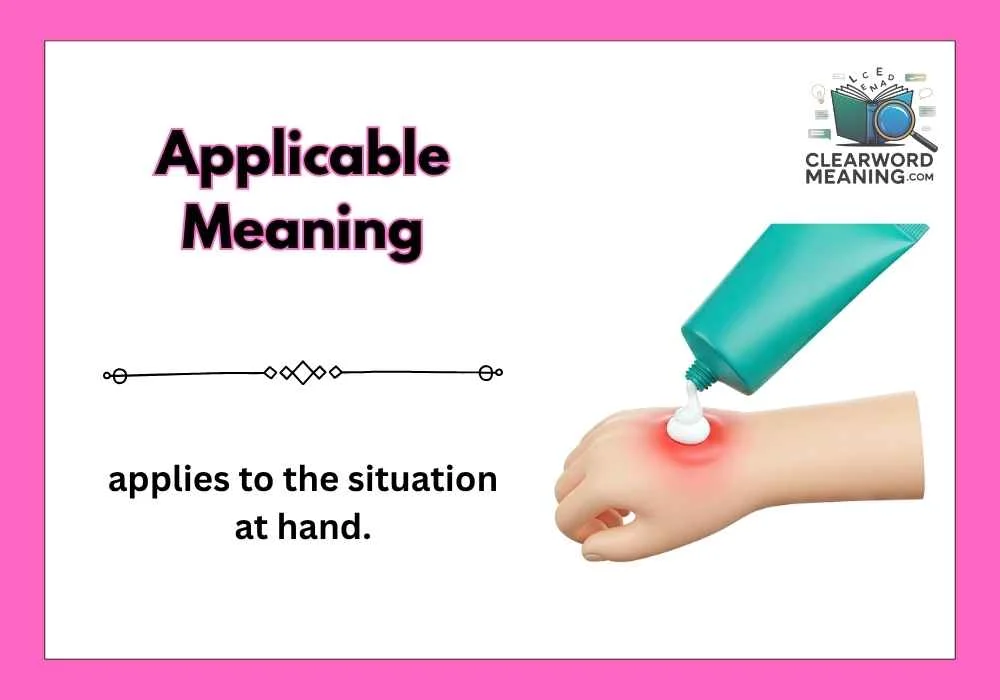
The term applicable meaning refers to the way a word, phrase, or abbreviation should be interpreted in a specific context. In simple terms, it’s the meaning that actually applies to the situation at hand.
- Origin: The concept comes from linguistic studies where context determines how a word is understood. While dictionaries provide a base definition, the applicable meaning adapts to digital communication, slang, and chat environments.
- Why it matters: Misinterpreting a message can lead to confusion, awkward moments, or even conflicts in casual texting or professional chats.
Think of it like this: while “LOL” traditionally means “laugh out loud,” in modern texting, its applicable meaning can sometimes simply indicate mild amusement or empathy, depending on the chat flow.
How to Use “Applicable Meaning” in Texts or Chat
Using the applicable meaning correctly requires reading the context carefully. Here’s how you can do it:
- Check the conversation tone: Is the chat funny, serious, or sarcastic? Tone affects the applicable meaning.
- Look at surrounding messages: Previous texts often hint at what the abbreviation or word really means.
- Adapt to platform norms: What’s applicable on Instagram might differ from Slack or Discord.
- Ask when unsure: It’s perfectly fine to clarify meanings to avoid misunderstandings.
Example:
Friend: “This movie was lit 😎”
You: “Lit? What’s the applicable meaning here?”
Friend: “It means really amazing, just in this context!”
Examples of “Applicable Meaning” in Conversations
Here’s how the applicable meaning changes depending on context:
- Texting:
“BRB” — Applicable meaning: “Be right back” in casual chats, but may simply indicate a pause in conversation in a busy group chat.
- Social Media:
“Ghosting” — Applicable meaning: ignoring someone’s messages deliberately; can vary based on tone.
- Professional Chats:
“ETA” — Applicable meaning: “Estimated Time of Arrival,” but in corporate emails, it’s more formal and precise.
Pro Tip: Emojis often modify the applicable meaning of words. A winking emoji 😉 can turn a serious phrase into a playful one instantly.
Common Mistakes or Misunderstandings
Even seasoned texters make errors when interpreting applicable meanings. Avoid these pitfalls:
- Assuming one-size-fits-all meaning: Words like “savage” or “cap” can differ in meaning across age groups.
- Ignoring tone or context: A sarcastic “Wow, great job” has a completely different applicable meaning than a sincere one.
- Overusing dictionaries: Online definitions may not capture modern nuances.
Example Mistake:
Text: “This is so extra”
Misunderstood as “over the top” negatively
Applicable meaning: “funny and dramatic in a playful way”
Related Slangs or Abbreviations
Learning related terms helps you grasp the broader landscape of applicable meanings:
- TFW – That feeling when…
- FOMO – Fear of missing out
- SMH – Shaking my head
- ICYMI – In case you missed it
Knowing these enhances your ability to identify the applicable meaning in new or trending expressions.
Tips for Mastering Applicable Meaning in 2026
- Stay updated on trending slang on platforms like TikTok, Discord, and Instagram.
- Observe how influencers and peers use phrases in context.
- Practice interpreting abbreviations in group chats before using them yourself.
- Use humor and emojis wisely—they often tweak meanings subtly.
FAQs:
How can I quickly find the applicable meaning of a new abbreviation?
Check its usage in current social media posts or online forums rather than relying solely on dictionary definitions.
Is the applicable meaning always the same for everyone?
No, it varies depending on age, region, platform, and context of the conversation.
Can emojis change the applicable meaning of a phrase?
Absolutely! Emojis add tone and context, often altering the interpretation significantly.
Why do some words have multiple applicable meanings?
Language evolves fast, especially online. Words like “lit” or “sus” can have different meanings in different subcultures.
How can I avoid misunderstandings in chats?
Focus on context, tone, and surrounding messages. When unsure, politely ask for clarification.
Conclusion
Understanding the applicable meaning is essential for smooth communication in 2026. By paying attention to context, tone, and platform norms, you can avoid misinterpretations and connect better in texts, chats, and social media.
Keep practicing and observing, and soon you’ll master the subtle nuances that make online conversations fun and precise. Share your favorite text abbreviation in the comments and let others learn its applicable meaning too!

I am the author, M Brauer, a dedicated and detail-focused professional committed to quality content and clear information. I focus on creating reliable, easy-to-understand material that delivers real value and builds trust with readers.