If you’ve ever glanced at a food label or scrolled through social media, you’ve probably seen the word gluten pop up everywhere. But what exactly does gluten mean, and why is it such a big deal in today’s diet conversations?
Understanding gluten meaning isn’t just for health enthusiasts—it’s essential for anyone curious about food labels, dietary trends, or online food discussions. Updated for 2026, this guide breaks down gluten in simple, human-friendly terms, explores its origins, and shows you how it’s used in everyday texting and online chats. By the end, you’ll confidently recognize gluten in foods, messages, and even meme culture!
What Does “Gluten” Mean? (Definition & Origin)
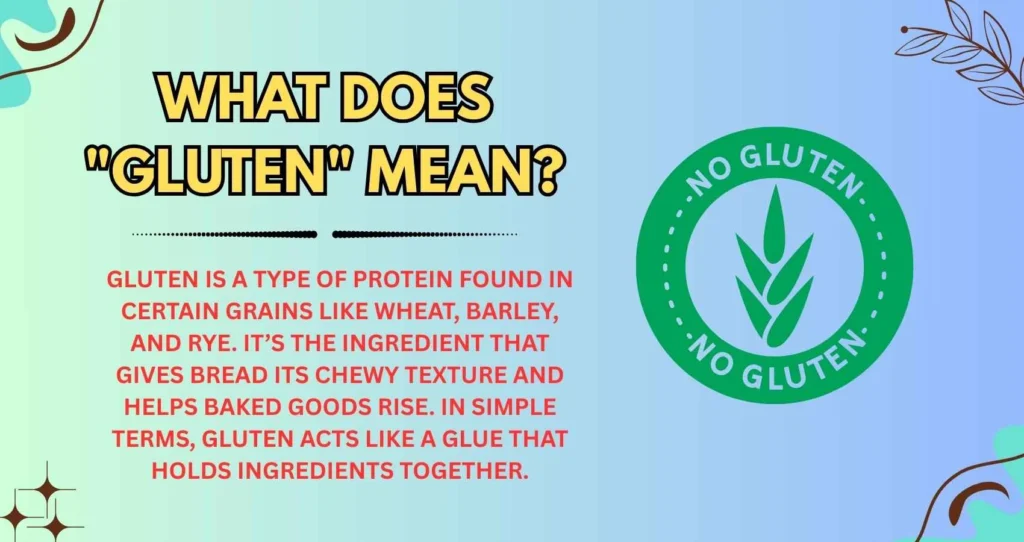
Gluten is a type of protein found in certain grains like wheat, barley, and rye. It’s the ingredient that gives bread its chewy texture and helps baked goods rise. In simple terms, gluten acts like a glue that holds ingredients together.
Origin of the term:
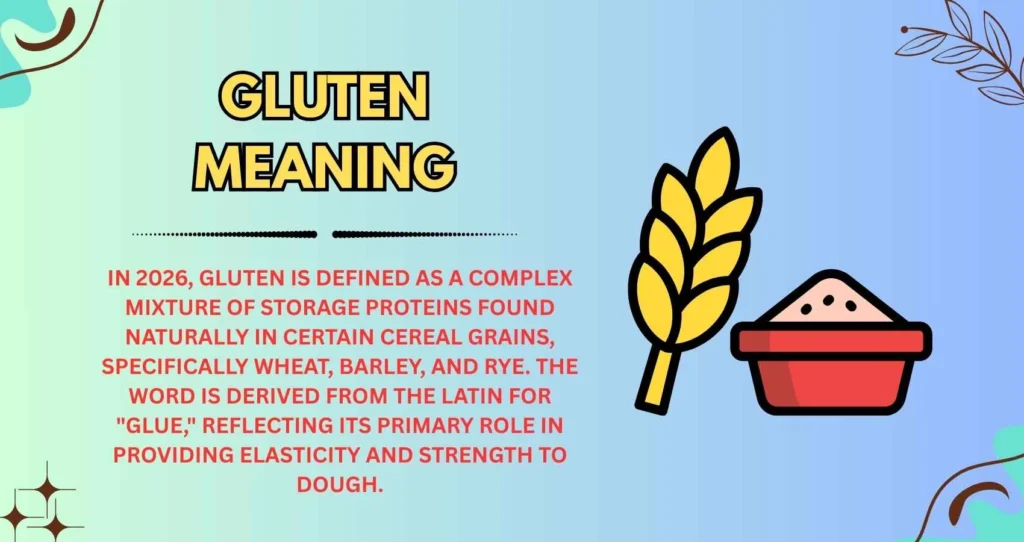
The word “gluten” comes from the Latin word gluten, meaning glue. This makes sense because gluten literally helps dough stick together and maintain its shape.
In modern usage, “gluten” has expanded beyond baking—it now frequently appears in discussions about diet, health, and lifestyle choices.
How to Use “Gluten” in Texts or Chat
Even in texting or casual online chats, people reference gluten when talking about food preferences or health issues.
Examples:
- “Just bought a gluten-free pizza 🍕—so excited!”
- “Ugh, my stomach hates gluten lol 🤢”
- “Anyone know a good gluten-free pasta brand?”
Pro tip: Use gluten in a sentence when talking about dietary restrictions, cooking, or when sharing memes about food struggles. It keeps your messages relatable and trendy.
Examples of “Gluten” in Conversations
Here’s how gluten pops up naturally in chats and texts:
- Friend group chat:
“Hey, we’re ordering takeout tonight. Any gluten-free options?” - Social media comment:
“I tried that bakery, and their bread is insane 😍… gluten heaven!” - Forum discussion:
“Does anyone actually feel better after going gluten-free? Curious lol.”
Notice how gluten is used casually, often with humor or emojis, making it easy to engage in modern texting culture.
Common Mistakes or Misunderstandings
Many people confuse gluten-related terms or misuse them:
- Gluten-free vs. wheat-free: Gluten is in wheat, but wheat-free products might still have other gluten sources like barley.
- Everyone must avoid gluten: Only people with celiac disease or gluten sensitivity truly need to avoid it.
- Gluten as “bad food”: Some think gluten is inherently harmful, but for most people, it’s perfectly safe.
Quick tip: Double-check food labels and understand whether a recipe is truly gluten-free before sharing advice or recipes online.
Related Slangs or Abbreviations
Gluten discussions in chats often use shorthand or emojis:
- GF – Gluten-Free
- Celiac – Short for someone with celiac disease
- 🍞 – Bread emoji, often implies gluten content in memes
- No-Glu – Casual shorthand for avoiding gluten
These make texting faster and often add humor or relatability to conversations about food.
Updated 2026 Trends in Gluten Discussion
In 2026, gluten conversations are not just about health—they’re about lifestyle, memes, and foodie culture. Social media platforms like Instagram and TikTok are full of gluten-free recipes, “gluten-free hacks,” and humorous takes on avoiding gluten. Knowing gluten meaning keeps you in the loop with these trends and makes your food chats more engaging.
FAQs:
What foods contain gluten the most?
Wheat, barley, rye, and products made from these grains like bread, pasta, and cereals.
Is gluten bad for everyone?
No, only people with celiac disease or gluten sensitivity need to avoid it.
Can gluten-free foods be unhealthy?
Yes, some gluten-free processed foods can be high in sugar or fat, so read labels carefully.
How do you say gluten-free in text chat?
Most people use GF, No-Glu, or emojis like 🍞 to indicate gluten-free options.
Why is gluten popular in online discussions?
Because it’s trendy, linked to health, and often appears in memes, social media, and food culture.
Conclusion
Understanding gluten meaning is more than just a health tip—it’s part of staying current with food culture, online discussions, and everyday texting. From breads to memes, gluten pops up everywhere, and knowing how to use it correctly in chats makes your messages clear and relatable.
Whether you’re GF-curious or just love sharing food memes, mastering gluten terminology keeps your conversations fresh and informed. Share your favorite text abbreviation in the comments!

I am the author, Mitchell, passionate about creating engaging and reliable content that adds real value to readers. With a focus on clarity, accuracy, and insight, I aim to make complex topics easy to understand. I believe in delivering well-researched, practical information that builds trust and helps my audience make informed decisions. Every piece I write is crafted to be informative, meaningful, and impactful, reflecting my commitment to quality and consistency.