If you’ve ever come across the word “area” in chats or text messages, you might have paused, wondering what it really means. In modern texting, area meaning can differ depending on the context, making it confusing for many.
Whether you’re texting friends, joining online forums, or browsing social media, understanding area meaning will help you communicate more clearly and avoid awkward misunderstandings.
In this article, we’ll break down area meaning, explore its origins, show you how it’s used in conversations, and give practical examples so you can master its usage like a pro.
Updated for 2026, this guide ensures you’re up-to-date with the latest texting slang trends and can confidently use or recognize “area” in everyday digital chats.
What Does “Area” Mean? (Definition & Origin)
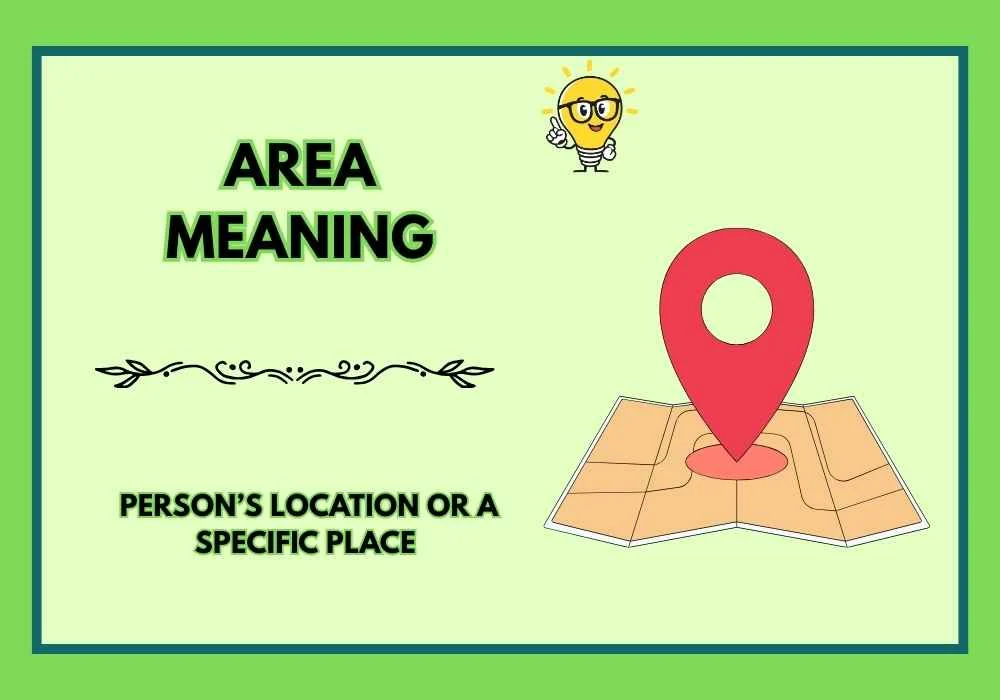
In the world of internet slang and texting, “area” generally refers to a person’s location or a specific place. It’s a short, casual way of asking about or referencing where someone is.
Origin:
The term stems from everyday English, where “area” simply means a region or space. In texting, it has evolved into a shorthand used primarily to:
- Ask someone where they are
- Reference a neighborhood, district, or zone
- Discuss locations in gaming, social media, or local meetups
Example:
- Friend 1: “Where are you?”
- Friend 2: “In the downtown area”
How to Use “Area” in Texts or Chat
Using “area” in texts is simple, but context matters. Here’s how you can do it naturally:
- Asking for location: “What area are you in?”
- Sharing your spot: “I’m chilling in the park area.”
- Discussing neighborhoods: “This area has the best cafes.”
Tip: Always pair “area” with clear location details to avoid confusion, especially if texting someone who isn’t familiar with your surroundings.
Examples of “Area” in Conversations
Here are some relatable examples of area in everyday texting scenarios:
- Social catch-up:
- Friend 1: “Yo, which area are you at?”
- Friend 2: “Northside, near the mall.”
- Gaming context:
- Player 1: “Guard the east area!”
- Player 2: “On it!”
- Social media chats:
- User 1: “Love your pics! Which area is this?”
- User 2: “Downtown vibes 😎”
Common Mistakes or Misunderstandings
Even simple slang like area can be misused. Here’s what to watch out for:
- Confusing it with ‘are a’ – Don’t mistake “area” for two separate words.
- Overusing in formal communication – Keep “area” casual; avoid in professional emails.
- Vague references – Saying “in my area” without context can confuse readers.
Pro Tip: Pair “area” with additional details (street, neighborhood, or landmark) for clarity.
Related Slangs or Abbreviations
Here are some modern texting terms related to area:
- Loc – Short for “location.”
- Hood – Informal slang for neighborhood.
- Spot – Casual term for a place.
- Zone – Can indicate an area in gaming or social media discussions.
FAQs:
What does area mean in texting?
In texting, area usually refers to someone’s location or a particular place they’re at.
Can area mean neighborhood?
Yes! People often use area to talk about their neighborhood or district casually.
Is area slang formal?
No, it’s informal and mostly used in casual chats, gaming, or social media.
How do I ask someone about their area politely?
You can text: “Hey, which area are you in?” or “Where’s your area?”
Can area be used outside texting?
Absolutely! It’s fine in casual conversations but avoid in formal writing.
Conclusion
Understanding area meaning in modern texting can make your online chats smoother and less confusing. It’s a versatile term used to talk about locations, neighborhoods, or spots, whether in social media, games, or casual texting. By following the tips and examples above, you can confidently use “area” in your conversations.
Stay updated with texting slang trends, and don’t be shy to explore related abbreviations like loc or hood to enrich your digital vocabulary.

I am the author, Brook, dedicated to creating clear and reliable content that informs and engages readers. With a passion for well-researched and valuable information, I focus on delivering content that is both easy to understand and practical. My goal is to build trust with my audience by providing consistent, accurate, and meaningful material. Whether writing for beginners or experts, I strive to make every piece insightful, engaging, and impactful.