In the fast-paced world of texting and online chats, a simple word like “page” can carry multiple meanings depending on the context. Understanding these nuances isn’t just helpful it’s essential for clear communication, avoiding misunderstandings, and staying in the loop with modern chat culture.
Whether you’re messaging friends, participating in online forums, or engaging on social media, knowing what “page” means can make your conversations smoother and more relatable.
Let’s dive in and uncover the full story behind page, its uses, and some real-life examples that will make you a texting pro.
What Does “Page” Mean? (Definition & Origin)
The term “page” in texting and chat culture has multiple layers:
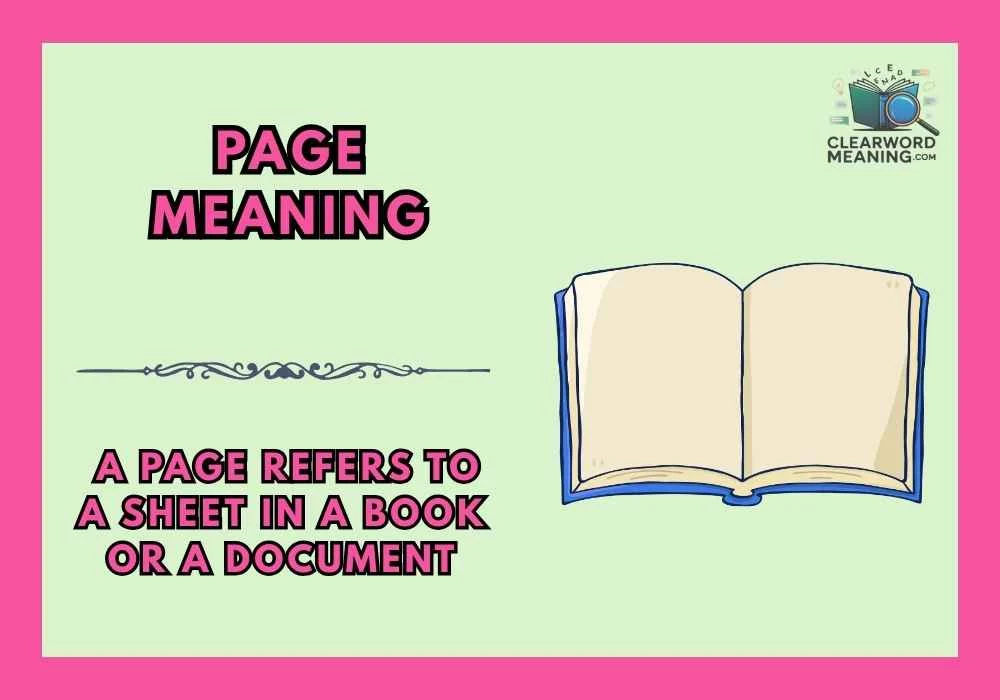
- Literal Meaning: Traditionally, a page refers to a sheet in a book or a document. This original meaning still influences how people use it online.
- Digital Meaning: In modern texting, “page” often refers to contacting someone, usually in an urgent or attention-seeking manner. Think of it like “pinging” someone.
- Historical Origin: The term comes from the days of pager devices in the 1980s and 1990s, where “paging someone” meant sending a short alert or message. This has evolved into casual online and text use today.
Quick Insight: In 2026, younger generations might also use page metaphorically, like “I’m on your page” meaning “I understand you” or “I agree with you.”
How to Use “Page” in Texts or Chat
Using page correctly depends on context:
- To Get Someone’s Attention:
- “Hey, can you page me when you’re free?”
- “I tried to page John about the meeting.”
- Acknowledging Understanding:
- “Got it, I’m on your page now.”
- “Page me if there’s any update.”
- In Social Media or Forums:
- People might comment, “This post really had me on your page,” implying alignment or agreement.
Pro Tip: Avoid overusing page in casual chats unless your friends are familiar with this slang. Overuse can confuse the reader.
Examples of “Page” in Conversations
Here are some realistic texting scenarios:
- Scenario 1 – Work Texts:
- Alice: “Can you send me the report?”
- Bob: “Sure, I’ll page you when it’s ready.”
- Scenario 2 – Friend Chat:
- Sam: “Do you get what I mean about this game?”
- Alex: “Yeah, I’m totally on your page.”
- Scenario 3 – Social Media:
- Comment on a post: “This explanation has me on your page completely!”
These examples show the versatility of page—from literal to metaphorical usage.
Common Mistakes or Misunderstandings
Many people misinterpret page in chats, leading to confusion:
- Mistake 1: Thinking “page” only refers to physical sheets of paper.
- Mistake 2: Using “page” in professional emails as if it’s casual slang—it may seem unprofessional.
- Mistake 3: Confusing “paging someone” with “tagging” on social media. They’re not always interchangeable.
Quick Tip: Context is key. Ask yourself if your audience will understand the slang meaning before sending.
Related Slangs or Abbreviations
If you’re exploring page in texting, you might also encounter:
- Ping: To send a quick message or notification.
- DM: Direct message, often used interchangeably with “page” in informal chats.
- Tag: Mentioning someone online to get their attention.
- ICYMI: “In case you missed it,” often used in social media posts.
- LOL / BRB / TTYL: Common texting abbreviations often seen alongside “page” in casual conversations.
These related terms help you stay fluent in modern texting culture.
FAQs:
What does it mean when someone says “page me”?
It usually means they want you to contact them or alert them when something happens.
Is “page” only used in texting?
No, it originated from pager devices but is now also common in social media, forums, and casual conversations.
Can “page” mean agreement?
Yes! Phrases like “I’m on your page” mean “I understand” or “I agree with you.”
Is it formal to use “page” in emails?
Generally, no. It’s best kept to casual texting or informal online chats.
Has the meaning of “page” changed in 2026?
Yes, while it still refers to contacting someone, it’s also used metaphorically to indicate understanding or alignment with someone.
Conclusion
Understanding page in texting and chat culture is more than just knowing a word—it’s about staying connected and fluent in online communication. Whether you’re paging someone, acknowledging understanding, or just keeping your slang game strong, this simple term carries a lot of modern digital weight.
By using page correctly, you can avoid misunderstandings and sound confident in both social and professional conversations.

I am the author, Brook, dedicated to creating clear and reliable content that informs and engages readers. With a passion for well-researched and valuable information, I focus on delivering content that is both easy to understand and practical. My goal is to build trust with my audience by providing consistent, accurate, and meaningful material. Whether writing for beginners or experts, I strive to make every piece insightful, engaging, and impactful.